Preserving the Past: How to Choose the Right Sliding Sash Window Renovation for Heritage Buildings
Heritage buildings connect us to our history, offering a glimpse into architectural styles and craftsmanship that have stood the test of time. One of the most defining features of many historic properties in the UK and beyond is the elegant sliding sash window. However, age, weather, and years of use can leave these windows in need of careful renovation. Choosing the right sliding sash window renovation for a heritage building is not just about aesthetics—it’s about balancing preservation, performance, and compliance with legal requirements.
This guide explores the essential considerations, options, and steps to ensure your heritage property retains its authentic charm while meeting modern comfort and efficiency standards.
.png)
The Importance of Authentic Renovation for Heritage Sliding Sash Windows
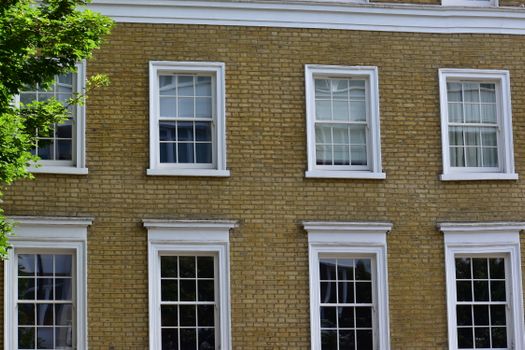
Sliding sash windows are synonymous with Georgian, Victorian, and Edwardian architecture. Their distinctive design—featuring vertically sliding panels (sashes) with multiple panes held by slender glazing bars—contributes significantly to the character of period homes. In the UK alone, it’s estimated that around 70% of historic buildings constructed before 1914 feature original sash windows.
Renovating these windows is a delicate process with several critical goals:
- $1 Original sash windows are often protected by heritage regulations. Thoughtless replacement can compromise a building’s historical integrity. - $1 In conservation areas, local authorities may insist that replacements or renovations match the original design exactly. - $1 Renovation can enhance insulation, security, and soundproofing while retaining period details.A successful renovation will consider not only the window’s look but also how it functions and interacts with the building’s structure. Failing to do so could reduce the property’s value and breach planning laws.
Understanding Heritage Regulations and Planning Permissions
Before any renovation project begins, it’s crucial to understand the legal framework surrounding heritage buildings. In England and Wales, more than 500,000 buildings are listed for their special architectural or historic interest. This legal protection restricts what you can do with features like sash windows.
Key points to consider:
- $1 If your building is listed (Grade I, II*, or II), any changes to windows typically require Listed Building Consent. Even repairs using different materials or methods can trigger this requirement. - $1 Over 10,000 conservation areas exist in the UK. Here, Article 4 Directions often remove permitted development rights, meaning you need planning permission for window changes. - $1 Consulting with a conservation officer or heritage architect early in the process can save time and prevent costly mistakes.Ignoring these regulations can result in enforcement action, fines, or demands to reinstate original features at your own expense.
Assessing the Condition: Repair, Partial Replacement, or Full Renewal?
Each heritage sash window presents a different story. Some may be largely original, suffering only minor decay; others might have undergone poor repairs or suffered extensive damage from rot, weather, or neglect.
The three main renovation approaches are:
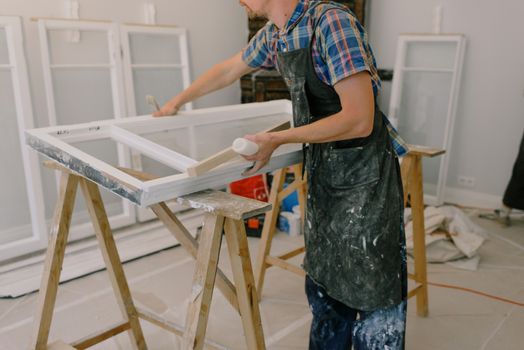
- $1 The most conservation-friendly solution. Typical repairs include replacing rotten sills, splicing in new timber, and overhauling sash cords or weights. Studies show that up to 80% of original window fabric can often be retained, even in windows over 100 years old. - $1 If certain parts (like sashes or glazing bars) are beyond saving, they can be replaced with bespoke components matching the original profiles and joinery. - $1 Reserved for windows that are structurally unsound or missing. Modern replicas can be crafted to match period details, but this should be a last resort.A professional survey by a specialist joiner or window restorer is the best way to determine the right approach.
Materials and Techniques: Matching Authenticity and Performance
The choice of materials and methods is central to a successful heritage sash window renovation. Modern shortcuts—such as uPVC replacements—are usually not suitable for listed or conservation properties and can devalue the building.
Here’s a comparison of common materials and methods:
| Aspect | Traditional Timber | Modern Engineered Timber | uPVC (Not Heritage-Approved) |
|---|---|---|---|
| Authenticity | High (original material) | High (if profiles are matched) | Low (appearance differs) |
| Durability | 50+ years with maintenance | 60+ years, better stability | 20-30 years, prone to discoloration |
| Maintenance | Regular painting, putty repairs | Less frequent due to stability | Minimal, but hard to repair |
| Planning Consent | Usually granted if matched | Accepted for like-for-like | Rarely accepted for heritage |
Key points to remember:
- $1 Single glazing was traditional, but slim-profile double glazing (as thin as 12mm) can sometimes be used in heritage sashes, offering improved efficiency without compromising appearance. - $1 Brass, steel, or bronze pulleys and sash lifts should match period styles. - $1 Breathable, microporous paints help timber windows last longer by allowing moisture to escape.Energy Efficiency and Comfort: Modern Upgrades, Period Looks
One of the main challenges with historic sash windows is thermal performance. Unrenovated sash windows can lose up to 30% of a home’s heat, according to Historic England. However, there are sympathetic ways to improve comfort:
- $1 Specialist brush seals and perimeter systems can dramatically reduce air leakage, with studies showing up to 86% improvement in airtightness. - $1 As mentioned, these units fit within traditional sashes and can achieve U-values as low as 1.6 W/m²K, compared to 5.0 W/m²K for single glazing. - $1 Internally fitted, removable panels preserve the exterior appearance but add another layer of insulation and soundproofing. - $1 Modern coatings can be applied to reduce heat loss without visible change.It’s important that any upgrades do not alter the external sightlines or glazing bar profiles, as these are critical to the window’s historic appearance.
Choosing a Specialist: Experience Matters
Heritage sash window renovation is a specialist craft. Choosing the right contractor is essential, both for quality and compliance. Here’s what to look for:
- $1 Has the company worked on listed or conservation area buildings before? Ask to see previous projects or references. - $1 Are they using slow-grown, durable timbers such as Accoya or traditional oak? Do they offer slimline double glazing options? - $1 Many top specialists have their own workshops, ensuring precise replication of mouldings and profiles. - $1 Reputable firms offer guarantees of 10-20 years on their work, reflecting confidence in their methods.Remember, the cheapest quote is rarely the best. Authentic renovation, using traditional skills and materials, is an investment that preserves both value and heritage for generations.
Final Thoughts on Choosing the Right Sliding Sash Window Renovation
Renovating sliding sash windows in heritage buildings is about more than replacing old wood and glass. It’s a careful balance between conservation, comfort, and compliance with the law. By respecting the building’s character, using appropriate materials and techniques, and seeking expert advice at every stage, you can ensure your property’s windows remain a proud link to the past while serving the needs of the present.
Whether you’re restoring a single cottage window or managing a multi-property estate, the right approach will protect your investment and preserve the story of your building for years to come.