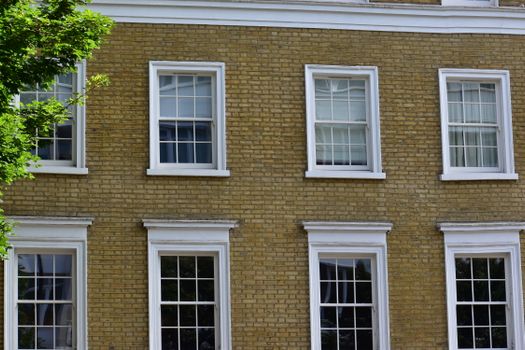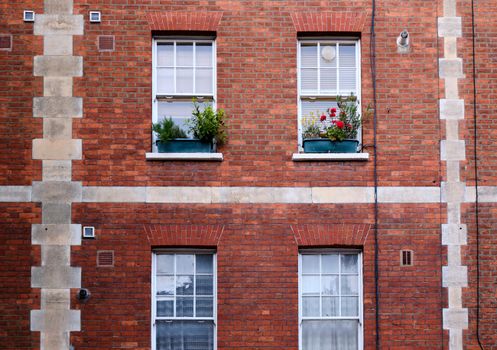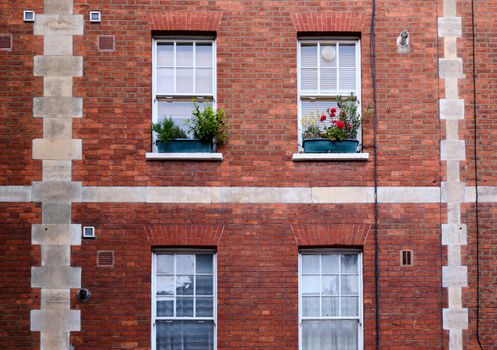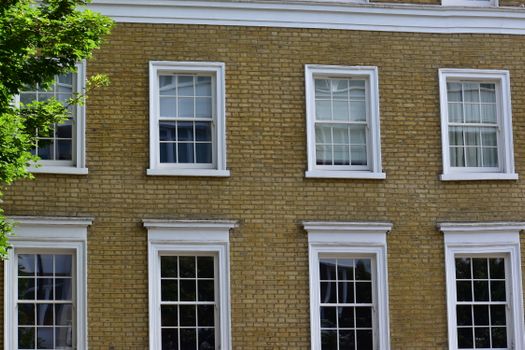
Sliding sash windows are iconic features in many period and heritage homes across the UK, prized for their timeless aesthetic and unique engineering. Yet, as beautiful as they are, these windows can present a range of challenges as they age. When issues arise—be it sticking frames, rattling panes, or rotting timber—homeowners are faced with a crucial question: Should you tackle the repairs yourself, or does the situation warrant the expertise of a sash window specialist? Understanding the factors that make professional intervention worthwhile can save you money, safeguard your property’s value, and ensure your windows remain a highlight rather than a headache.
The Unique Challenges of Sliding Sash Windows
Sliding sash windows, first popularised in the 17th century, feature a vertically sliding mechanism that distinguishes them from modern casement or tilt-and-turn designs. While their craftsmanship can last for generations, the intricate balance systems, pulleys, cords, and weights require careful attention. Unlike standard windows, the repair process for sash windows is often more involved, demanding precision and a knowledge of traditional joinery.
A 2020 survey by Historic England found that over 40% of homeowners with original sash windows reported issues such as draughts, rattling, or jamming. Furthermore, 35% felt unsure about how to address these problems without damaging the window’s historical character. These statistics underscore the complexity and sensitivity of sash window restoration.
.png)
Common issues that afflict sliding sash windows include:
- Broken sash cords or weights - Rotten or decayed timber frames - Failed glazing or condensation between panes - Draughts and poor insulation - Sticking or misaligned sashesWhile minor maintenance, such as cleaning tracks or repainting, can be managed by most homeowners, more substantial repairs require the nuanced approach of a specialist. Attempting complex repairs without the right knowledge can lead to further damage or costly mistakes.
When DIY Repairs Are Sufficient
Not every sash window problem demands a professional’s touch. In fact, there are several minor repairs and maintenance tasks that confident DIYers can handle, potentially saving hundreds of pounds in service fees. Here are some situations where a DIY approach is practical:
- Clearing blockages or debris from the window track - Reapplying paint or varnish to protect timber surfaces - Lubricating pulleys and hardware to ensure smooth operation - Replacing sash window furniture, such as handles or locksA 2022 poll by the Federation of Master Builders found that 28% of homeowners had successfully undertaken basic sash window repairs themselves, with an average saving of £150 per window.
However, even these seemingly simple repairs require careful attention to detail. Using the wrong type of paint or lubricant, for example, can compromise the window’s operation or finish. Additionally, improper handling can risk damaging delicate glass or original timber.
It’s also important to know your limits. If your window is listed or located in a conservation area, even minor changes can require formal permissions, and mistakes may have legal or financial repercussions.
Identifying When a Sash Window Specialist Is Needed
The tipping point between a manageable repair and a specialist job depends on several factors: the extent of the damage, the age and value of the window, and the required technical skills. Here are clear signs it’s time to call in a sash window specialist:
1. $1 When rot has penetrated deep into the frame or sashes, specialist tools and techniques—such as splicing or resin repairs—are required to restore structural integrity without full replacement. 2. $1 If weights, cords, or springs are inaccessible or have snapped, replacing them can involve dismantling parts of the frame. Specialists have the know-how to do this without damaging period joinery. 3. $1 Upgrading heritage sash windows with slimline double glazing is a complex process, balancing improved insulation with the need to preserve original features. This is best left to professionals familiar with conservation requirements. 4. $1 If your property is listed or in a conservation area, repairs must comply with strict regulations. Specialists can navigate the application process and ensure all work meets legal and aesthetic standards. 5. $1 Professional draught-proofing can reduce heat loss by up to 30%, according to the Energy Saving Trust. Specialists often use bespoke brush seals or parting beads that keep the original look intact while improving performance. 6. $1 If condensation appears between panes or water leaks into the property, a professional can diagnose and resolve the underlying causes, preventing further structural damage.Value Comparison: DIY vs. Specialist Sash Window Repairs
Cost is often the deciding factor for homeowners weighing up DIY versus professional repairs. While DIY can appear cheaper upfront, unforeseen complications and the risk of botched jobs may end up costing more. Here’s a comparative overview:
| Repair Type | DIY Cost Estimate | Specialist Cost Estimate | Typical Outcome |
|---|---|---|---|
| Simple Lubrication & Cleaning | £10-£30 (materials only) | £50-£100 (per window) | DIY often sufficient if done carefully |
| Repainting or Varnishing | £20-£60 | £120-£200 | DIY possible, but specialist ensures period-correct finish |
| Replacing Sash Cords | £25-£50 | £150-£250 | Specialist recommended for older or delicate windows |
| Repairing Rotten Timber | £40-£80 (materials) | £250-£500+ | Specialist essential for structural integrity and appearance |
| Draught-Proofing | £15-£40 | £180-£350 | Professional systems are more effective and discreet |
| Double Glazing Retrofit | N/A (not a DIY task) | £900-£1,500 (per window) | Specialist only; ensures regulatory compliance |
These figures highlight that, while basic maintenance can be cost-effective for DIYers, more involved repairs quickly justify the investment in a specialist. In many cases, attempting complex repairs without the right expertise risks greater expense in the long run.
The Hidden Value of Professional Sash Window Repairs
Beyond the visible results, there are several less obvious advantages to hiring a sash window specialist. First and foremost is the preservation of your property’s character and value. According to a 2021 RICS (Royal Institution of Chartered Surveyors) report, period homes with well-maintained original windows can command up to 20% higher resale values compared to those with poorly executed replacements or modern substitutes.
Specialists also offer:
- $1 Many professional repairs include guarantees of 5-10 years, offering peace of mind and added value. - $1 Insurers may require certified repairs for listed or heritage properties, particularly after storm or accidental damage. - $1 Professionally draught-proofed sash windows can reduce annual heating bills by up to £200, especially in older properties. - $1 Specialists can match period glass, mouldings, and timber profiles, ensuring repairs are indistinguishable from the original.Moreover, a poorly executed DIY repair can inadvertently void warranties or lead to regulatory issues in listed properties. Engaging a specialist is often an investment not only in the windows themselves, but in the overall value and enjoyment of your home.
How to Choose the Right Sash Window Specialist
If you decide professional help is warranted, selecting the right specialist is crucial. The UK’s sash window repair industry is unregulated, but there are several steps to ensure you find a trustworthy and skilled provider:
1. $1 Look for membership in trade bodies such as the Guild of Master Craftsmen or the Federation of Master Builders. 2. $1 Reputable specialists can provide references and examples of previous work, ideally on similar properties. 3. $1 Written estimates should include a breakdown of costs, materials, and timeframes. 4. $1 For listed or conservation area properties, ensure your specialist is familiar with planning regulations and can liaise with local authorities if required. 5. $1 Choose providers who offer written guarantees on their workmanship and materials.By taking these steps, you can feel confident that your investment will yield both immediate and long-term rewards.
Making the Right Choice for Your Sliding Sash Windows
Deciding whether to repair your sliding sash windows yourself or invest in a specialist is about more than just cost—it’s about preserving heritage, ensuring long-term performance, and protecting your home’s value. For simple tasks, a confident DIYer can often manage minor maintenance. However, when faced with structural issues, regulatory requirements, or the need for high-quality restoration, a sash window specialist is almost always worth the investment.
Remember: original sash windows, when properly cared for, can last for centuries—far longer than most modern replacements. By making informed choices and knowing when to call in the experts, you’re not just maintaining your windows, but also honouring the craftsmanship and history that make your home unique.