Sash Windows Through the Ages: The Evolution of Their Restoration in London
Few architectural features are as quintessentially British as the sash window. The elegant vertical-sliding window has defined the facades of London’s townhouses and public buildings for more than three centuries, becoming both a symbol of style and a testament to skilled craftsmanship. Yet, as London’s landscape has shifted, so too has the way these windows are preserved and restored. This article delves deep into the history of sash windows, tracing their journey through London’s architectural eras and examining how restoration practices have evolved in response to changing tastes, regulations, and technologies.
The Birth of the Sash Window: A Glimpse Into 17th Century London
Sash windows are believed to have first appeared in England during the late 17th century. Historians often credit their invention to either English or Dutch craftsmen, though definitive records are scarce. The earliest documented use of sash windows in London dates to the 1670s, notably at Ham House in Richmond, which boasts some of the oldest surviving examples.
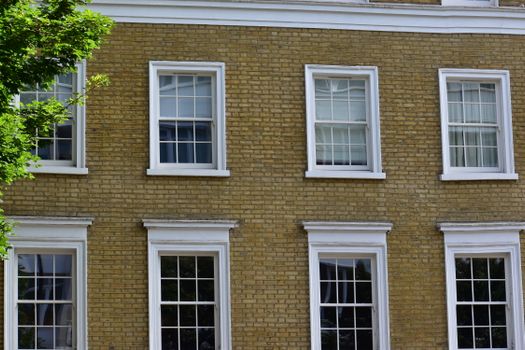
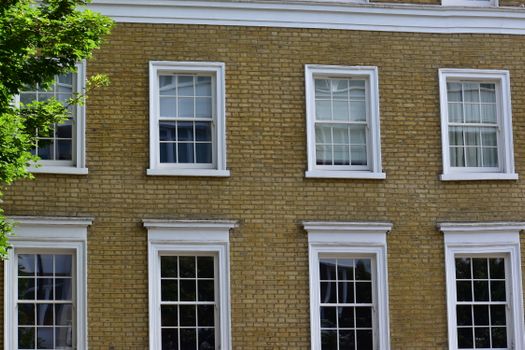
By the early 18th century, sash windows had become a defining feature of Georgian architecture. Their popularity stemmed from their ingenious counterweight system, which allowed for smooth, space-saving operation and better ventilation compared to older casement windows. According to Historic England, by 1770, sash windows were virtually standard in new London buildings. The six-over-six pane arrangement, with slender glazing bars, became a hallmark of the era.
.png)
The rise of the sash window coincided with London’s rapid urban expansion, as the city’s population surged from around 500,000 in 1700 to over 1 million by 1800. Sash windows adorned everything from royal palaces to modest terraced houses, establishing a visual language that still defines many London neighbourhoods today.
Victorian Innovations: The Golden Age and Its Lasting Legacy
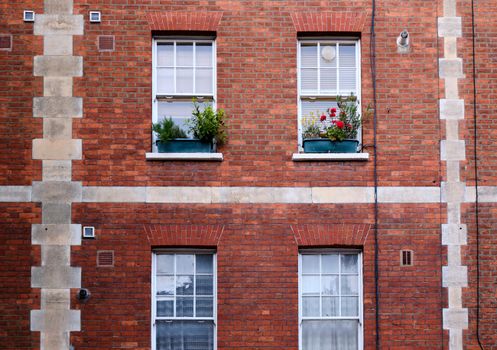
The Victorian period (1837–1901) brought both technological advances and stylistic shifts to sash window design. Improved glassmaking techniques enabled larger panes, reducing the number of glazing bars and allowing for more light. The “two-over-two” pane configuration became fashionable, and by the late 19th century, single large panes were not uncommon in new windows.
This era also saw the mass production of sash windows. Steam-powered sawmills and joinery shops could produce frames and sashes more efficiently, making sash windows accessible to a wider range of builders and homeowners. At the same time, ornate detailing—such as decorative horns and mouldings—became popular, reflecting the Victorian taste for embellishment.
Restoration of Victorian sash windows in London today often involves careful attention to these details. Specialists must identify and replicate original features, sourcing appropriate materials and using traditional joinery techniques to maintain historical integrity.
Challenges and Changes: The Decline and Threats of the 20th Century
While sash windows remained popular into the Edwardian era, the early 20th century introduced new challenges. The advent of modernism and the rise of new building materials led to a decline in sash window installations. Metal casement windows, promoted for their perceived efficiency and modern aesthetic, began to replace traditional timber sashes in many post-war buildings.
By the 1960s and 1970s, thousands of original sash windows in London were lost—either replaced with uPVC or aluminium alternatives, or removed during unsympathetic renovations. According to English Heritage, more than 50% of the original timber sash windows in London’s pre-1919 buildings had been replaced by the late 20th century.
This period also saw significant changes in restoration practices. Many repairs used inappropriate materials, such as cement-based fillers, which trapped moisture and accelerated timber decay. The loss of traditional skills further jeopardized the survival of historic sash windows.
The Conservation Movement: Resurgence of Traditional Restoration Methods
The late 20th and early 21st centuries marked a turning point for sash window restoration in London. Growing appreciation for architectural heritage, coupled with stricter planning regulations, sparked renewed interest in preserving original features. London’s 56 designated conservation areas, as well as the introduction of Listed Building status, provided legal protections for historic sash windows.
Restoration practices shifted towards authenticity and sustainability. Craftsmen revived traditional skills, such as hand-cutting mortise and tenon joints or matching historic paint finishes. Modern draught-proofing systems were developed to improve energy efficiency without altering appearances. According to the Society for the Protection of Ancient Buildings (SPAB), the number of specialist sash window companies in London doubled between 2000 and 2020, reflecting this growing demand.
Today, restoration projects in London often involve a thorough assessment of each window’s age, materials, and construction methods. The aim is to retain as much original fabric as possible, repairing rather than replacing wherever feasible. This approach not only preserves the city’s character but also reduces the environmental impact of manufacturing new windows.
Comparing Restoration Approaches: Traditional vs. Modern Techniques
The evolution of sash window restoration in London can be seen in the methods used by specialists. Below is a comparison of traditional and modern restoration approaches, highlighting their main features and benefits.
| Aspect | Traditional Restoration | Modern Restoration |
|---|---|---|
| Materials Used | Original timber (pine, oak), handmade glass, natural paints | Engineered timber, double glazing, microporous paints |
| Techniques | Hand-crafted joinery, sash cord replacement, putty glazing | Epoxy resin repairs, draught-proofing systems, acoustic glass installation |
| Energy Efficiency | Limited (single glazing, basic seals) | Enhanced (double glazing, thermal breaks, improved seals) |
| Heritage Compliance | High, matches original appearance and methods | Varies, must be adapted for listed and conservation properties |
| Longevity | Potentially over 100 years with maintenance | Long-lasting, but depends on material quality and installation |
Both approaches have their place in London’s sash window landscape. Traditional methods are crucial for listed buildings and conservation areas, ensuring compliance with regulations and preserving authenticity. Modern techniques can discreetly enhance comfort and performance, particularly in properties not subject to strict heritage controls.
Case Studies: Iconic London Landmarks and Their Sash Windows
The story of sash window restoration in London is best illustrated by some of the city’s most cherished buildings:
Somerset House: This neoclassical masterpiece on the Strand underwent a major restoration in the late 20th century. Over 300 original sash windows were carefully restored using traditional joinery, with each window assessed and repaired on site.
Bedford Square: One of London’s finest Georgian squares, Bedford Square’s Grade I listed townhouses retain their elegant six-over-six sash windows. Restoration projects here have focused on retaining original glass, rebalancing sashes, and implementing discreet draught-proofing.
Spitalfields: In this historic East End district, many 18th-century houses have seen their sash windows restored as part of wider regeneration efforts. Local craftspeople often use hand-blown glass to match the subtle distortions of the original panes, maintaining the area’s distinctive charm.
Such projects underscore the importance of expertise and sensitivity in restoration, ensuring that London’s architectural heritage remains vibrant for generations to come.
The Future of Sash Window Restoration in London
Looking ahead, sash window restoration in London faces both challenges and exciting opportunities. Energy performance standards are becoming ever more stringent, with the UK government aiming for net zero carbon emissions by 2050. Sash window specialists are responding by innovating: developing slim-profile double glazing that can be retrofitted to historic frames, and using sustainable timber sourced from FSC-certified forests.
Digital technologies are also making an impact. 3D scanning and CNC machining allow for precise reproduction of mouldings and components when originals cannot be saved. However, the heart of restoration remains in skilled hands: more than 70% of sash window restoration work in London is still carried out by small, specialist firms with fewer than 10 employees, according to the Federation of Master Builders (2023).
Preserving sash windows is about more than aesthetics—it is a commitment to sustainability, heritage, and the unique character of London’s built environment.
Preserving London's Legacy: The Enduring Value of Sash Windows
From their introduction in the 17th century to their celebrated status today, sash windows have played a vital role in London’s architectural history. The evolution of their restoration mirrors broader changes in society, technology, and conservation philosophy. As London continues to grow, the careful preservation and restoration of sash windows will ensure that the city’s history remains visible on every street. Whether through painstaking traditional methods or sensitive integration of modern innovations, sash window restoration is both an art and a science—one that keeps London’s heritage alive for future generations.