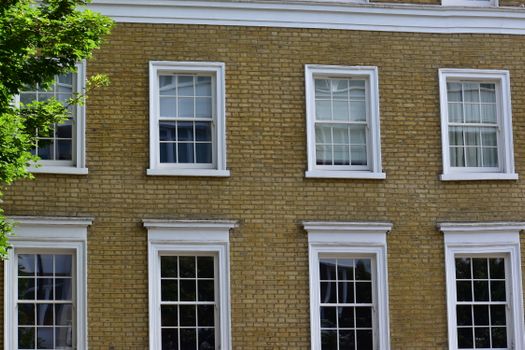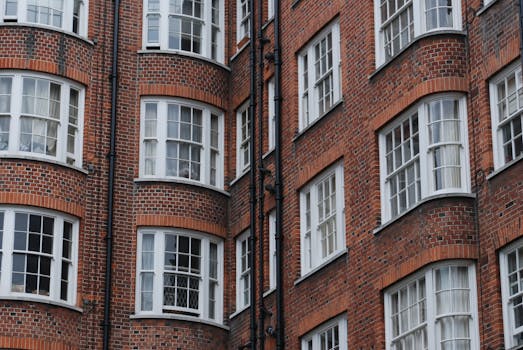
For centuries, London’s historic districts have charmed residents and visitors alike with their distinctive architecture, much of which is defined by beautiful sash windows. These elegant windows, often found in Georgian, Victorian, and Edwardian homes across neighborhoods like Bloomsbury, Kensington, and Greenwich, are as much a part of London’s identity as its iconic red buses. But time, weather, and urban pollution can take their toll on these heritage features—making restoration essential for both aesthetics and preservation. This comprehensive guide explores the process, challenges, and rewards of restoring sash windows in London’s historic districts, offering homeowners, building managers, and enthusiasts a roadmap to safeguarding these architectural treasures.
The Unique Challenges of Sash Window Restoration in London’s Historic Districts
Restoring sash windows in central London is not like replacing a standard window in a modern home. Historic districts are subject to strict planning regulations and conservation area controls, often overseen by local councils and heritage bodies such as Historic England. In Westminster alone, there are over 56 designated conservation areas, covering about 78% of the borough, each with its own guidelines for window restoration.
Key challenges include:
- $1: Many properties are Grade I, II*, or II listed, requiring special permissions for any alterations. In 2023, over 21,000 listed buildings were recorded across Greater London. - $1: The use of traditional, historically accurate materials (such as slow-grown Baltic pine or hardwood) is often mandated. - $1: Skills in traditional joinery, glazing, and decorative detailing are required to meet conservation standards. - $1: Balancing energy efficiency upgrades (like draught-proofing and double glazing) with historical authenticity is critical.These factors mean that any restoration project must be carefully planned, with an eye to both the law and the building’s legacy.
.png)
Step-by-Step Process of Restoring Sash Windows
Restoring a sash window is a meticulous process that can breathe new life into the fabric of a building. Here’s an overview of the typical steps:
1. $1: The first step involves a thorough inspection to document the window’s current condition, original features, and any prior alterations. Photographs and measured drawings are often required, especially for listed properties. 2. $1: In most historic districts, even minor repairs may need approval from the local planning authority. Applications should include detailed restoration proposals, material samples, and sometimes, consultation with conservation officers. 3. $1: Sashes are carefully removed from their frames. Care is taken to preserve as much of the original structure as possible, particularly the box frame and decorative moldings. 4. $1: Damaged timber sections (often sills, rails, or stiles) are either repaired with matching hardwood or, if beyond repair, replaced with new wood shaped and jointed to the original profile. 5. $1: Where possible, original glass (often cylinder or crown glass) is retained. If replacement is necessary, handmade or restoration glass is used to match the waviness and character of historic panes. 6. $1: The window is reassembled, incorporating discreet draught-proofing measures, new sash cords, and counterweights. Modern solutions can reduce heat loss by up to 30% without affecting the window’s appearance. 7. $1: Paints are chosen to match historic color palettes, using breathable, microporous finishes that protect the wood while allowing it to ‘breathe’.This process can take anywhere from a few days to several weeks per window, depending on the extent of the work and the number of sashes being restored.
Choosing the Right Materials and Methods for Authenticity
Material selection is crucial in ensuring that restored sash windows blend seamlessly with the rest of the historic façade. The wrong choice can not only undermine the property’s value but may also fall foul of conservation regulations.
- $1: Traditional sash windows were commonly made from slow-grown Baltic pine, valued for its density and durability. Today, restoration experts may use reclaimed timber, or sustainably sourced hardwoods such as oak or accoya, which offers increased longevity and resistance to rot. - $1: Historic glass is prized for its imperfections, which scatter light and give period homes a unique glow. When replacement is needed, restoration glass is made using antique methods, ensuring visual consistency. - $1: Brass or cast-iron sash lifts, pulleys, and fasteners are restored or carefully replicated. Modern replicas are often indistinguishable from originals but offer improved performance.Skilled joiners and glaziers use time-honored techniques like mortise-and-tenon joints and hand-puttying to ensure both structural integrity and historical accuracy.
Energy Efficiency and Modern Living: Upgrades that Respect Heritage
One of the most common concerns among London homeowners is whether historic sash windows can be made energy efficient. The answer is yes—if done correctly.
- $1: Simple measures like brush seals and perimeter draught strips, when installed professionally, can cut air leakage by up to 86%, according to a study by Historic England. - $1: For listed buildings where double glazing is not permitted, secondary glazing (a discreet internal window) can be fitted. This can improve thermal performance by up to 60% and significantly reduce noise from busy London streets. - $1: In some Grade II listed properties, conservation officers may allow slim-profile double glazing that mimics the appearance of traditional single panes.The table below compares common energy efficiency upgrades for historic sash windows:
| Upgrade Option | Permitted in Listed Buildings? | Estimated Heat Loss Reduction | Impact on Appearance |
|---|---|---|---|
| Draught-Proofing | Yes | Up to 86% | Invisible when installed correctly |
| Secondary Glazing | Usually Yes | Up to 60% | Minimal (internal, removable) |
| Double Glazing (Slimline) | Sometimes (Grade II only) | Up to 65% | Low if profile matches original |
| Replacement with uPVC | No | N/A | Major (not permitted, alters appearance) |
These solutions allow property owners to enjoy modern comfort without compromising the heritage value of their homes.
Finding Qualified Craftsmen and Navigating Costs
The expertise required for sash window restoration is highly specialized, and not all contractors are equipped for the task. In 2022, the UK Federation of Master Builders reported a 15% increase in demand for heritage restoration professionals, but also highlighted a shortage of skilled joiners in London.
When choosing a restoration company, consider:
- $1: Look for firms accredited by the Institute of Carpenters, The Guild of Master Craftsmen, or the Listed Property Owners’ Club. - $1: Ask to see examples of similar projects, and request references from previous clients in your area. - $1: A reputable restorer will provide an itemized estimate, including costs for labour, materials, and any necessary permissions.Costs vary widely depending on the window’s size, condition, and the level of intervention needed. In London, restoring a single sash window typically ranges from £500 to £1,500, with full replacements (where permitted) starting at £1,800 per window. Heritage glass and bespoke joinery can increase costs but add significant value to the property.
The Cultural and Financial Rewards of Sash Window Restoration
Restoring sash windows is more than a maintenance task—it’s an investment in London’s architectural legacy and your property’s value. According to a 2021 study by Historic England, homes that retain original features such as sash windows can command a premium of up to 15% in the property market. Furthermore, a well-executed restoration can improve energy efficiency, reduce ongoing maintenance costs, and enhance kerb appeal.
There are also intangible rewards: the satisfaction of preserving a piece of London’s history, the pleasure of living with authentic craftsmanship, and the knowledge that your home contributes to the city’s unique streetscape.
Final Thoughts: Safeguarding London’s Heritage One Window at a Time
Sash windows are a defining characteristic of London’s historic neighborhoods, telling the story of the city’s architectural evolution. Their restoration is both an art and a science, requiring careful research, skilled hands, and a deep respect for the past. While the process may seem complex, the rewards—cultural, financial, and environmental—are well worth the investment. By approaching sash window restoration with care and expertise, Londoners can ensure that the city’s cherished heritage endures for generations to come.