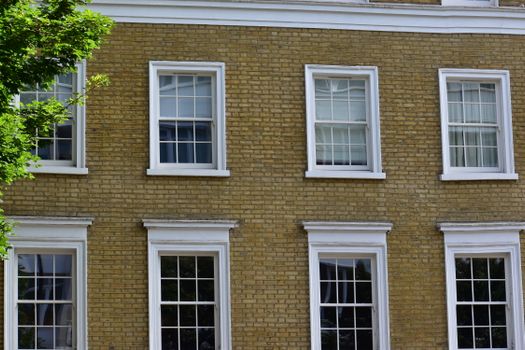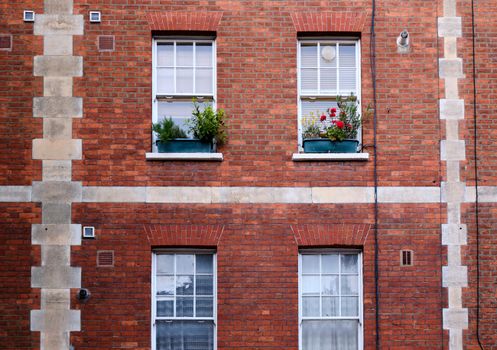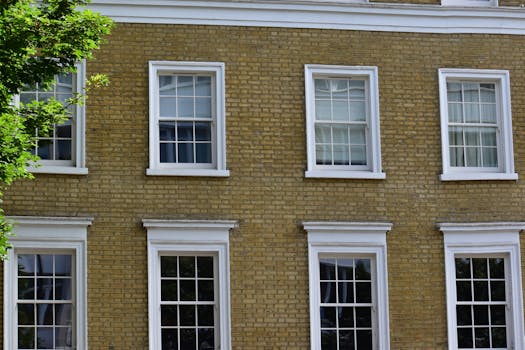
Sliding sash windows are one of the most iconic features of historic British architecture, gracing Georgian, Victorian, and Edwardian buildings with their unique charm. However, as these windows age, they can become draughty, difficult to operate, and vulnerable to decay. Restoring sliding sash windows in historic buildings is both an art and a science—requiring careful attention to period details, building regulations, and modern comfort standards. In this guide, we’ll take you through the essential steps, considerations, and solutions for restoring sash windows without sacrificing their heritage value.
Understanding the Heritage Value of Sliding Sash Windows
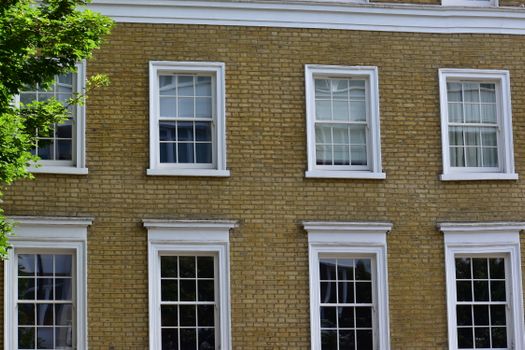
Sliding sash windows first appeared in England in the late 17th century and became the dominant window style by the Georgian era. Their distinctive design—two sashes sliding vertically within a frame—remains synonymous with period elegance. But their value extends beyond aesthetics:
- $1 Many sash windows were hand-crafted by local joiners and reflect the craftsmanship of their era. - $1 According to Historic England, around 400,000 listed buildings in the UK feature original sash windows. - $1 In conservation areas and listed buildings, original windows are often protected by law. The National Planning Policy Framework (NPPF) stipulates that heritage assets should be conserved as much as possible.Restoring rather than replacing these windows preserves architectural history and often increases property value. In fact, research by English Heritage found that original sash windows can add up to 10% to a home’s value compared to modern replacements.
.png)
Common Issues in Historic Sliding Sash Windows
Decades (or centuries) of exposure can take their toll on timber sash windows. Before restoration, it’s important to conduct a thorough assessment for these common problems:
- $1 Moisture ingress, especially at the sill or lower rails, can cause softening or crumbling wood. - $1 Peeling, cracking, or flaking paint exposes timber to weather and accelerates decay. - $1 After decades of use, sash cords can snap, making window operation impossible. - $1 Warped frames, paint build-up, or swelling make sashes difficult to move. - $1 Older windows often have thin, single panes, resulting in poor energy efficiency and condensation. - $1 Gaps between sashes and frames allow cold air and noise to enter.A professional assessment is recommended for listed buildings or where there’s significant rot, as improper repairs may lead to enforcement notices or loss of historic materials.
Planning and Permissions: What You Need to Know
Restoring sliding sash windows in historic buildings often requires navigating legal and planning frameworks. Here’s what you should consider:
- $1 Required for any work that alters the character of a listed window, including replacement of glass, frames, or hardware. - $1 Even if your building isn’t listed, conservation area status restricts unsympathetic alterations. - $1 Upgrades (like double glazing or draughtproofing) must comply with current standards, but exemptions may apply for heritage assets.It’s essential to consult your local planning authority before starting work. In 2023, over 6,000 enforcement cases were brought across England due to unauthorized changes to listed properties—highlighting the importance of proper permissions.
Restoration Techniques for Sliding Sash Windows
Restoring sash windows involves a blend of traditional craftsmanship and modern techniques. The process varies depending on the condition and historical significance, but generally includes:
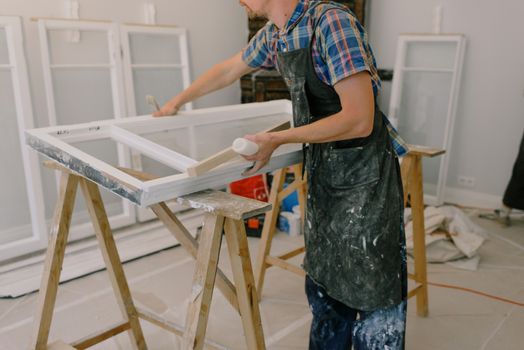
1. $1 Sashes are gently removed from the frame. All glass, hardware, and weights are labeled to ensure accurate reassembly. 2. $1 Damaged timber is repaired using splicing techniques, where new, matching wood is grafted into decayed areas. Epoxy resin fillers may be used for minor defects but should be avoided on large areas. 3. $1 Modern brush pile seals or rubber gaskets are installed into parting beads and staff beads, significantly reducing draughts while remaining unobtrusive. 4. $1 New waxed-cotton or nylon cords are fitted, and pulleys are cleaned or replaced to ensure smooth operation. 5. $1 Where permitted, single glazing can be replaced with slim-profile double-glazed units or historic restoration glass that mimics period imperfections. 6. $1 Multiple coats of breathable, microporous paint are applied, allowing timber to "breathe" and preventing moisture traps.A well-executed restoration can extend the life of sash windows by 60 years or more. According to the Society for the Protection of Ancient Buildings (SPAB), sensitive restoration is almost always more environmentally friendly than replacement.
Energy Efficiency: Balancing Comfort and Conservation
Older sash windows are often blamed for poor thermal performance, but restoration offers several solutions that improve comfort without compromising heritage:
- $1 Effective draughtproofing can reduce heat loss by up to 86%, according to Historic England. - $1 Discreet, removable panels fitted inside the window can more than double insulation values (U-value improvement from around 4.8 W/m²K to 2.8 W/m²K). - $1 Where permitted, slim double-glazed units (as thin as 12mm) can be retrofitted to original sashes, boosting energy efficiency while maintaining period sightlines. - $1 Traditional shutters or lined curtains further reduce heat loss and add to the historic character.The table below compares the typical thermal performance of various sash window upgrades:
| Upgrade Type | Typical U-Value (W/m²K) | Estimated Heat Loss Reduction | Visual Impact |
|---|---|---|---|
| Original Single Glazing | ~4.8 | 0% | None |
| Draughtproofing Only | ~4.3 | Up to 15% | Minimal |
| Secondary Glazing | ~2.8 | 40-55% | Low (Removable) |
| Slim Double Glazing | ~1.8 | Up to 70% | Low (If Well Matched) |
These improvements can help bring historic windows closer to modern standards, reducing drafts and condensation and even lowering energy bills.
Choosing Between Restoration and Replacement
While restoration is usually the preferred option for historic sash windows, there are rare circumstances where replacement may be necessary—such as extreme rot, severe insect infestation, or missing sashes. Here’s how the two options compare:
- $1 Maintains original materials and character, often required for listed buildings, and is typically more sustainable. Costs range from £400 to £1,200 per window, depending on extent. - $1 Only permitted with planning consent and usually only if the original is beyond repair. High-quality timber replicas can cost between £1,200 and £2,500 per window.A survey by the Heritage Lottery Fund found that 92% of homeowners preferred restoration where possible, citing authenticity, cost, and sustainability as key factors.
Case Study: Successful Sash Window Restoration
In 2022, the owners of a Grade II-listed Georgian townhouse in Bath undertook a full restoration of their 12 original sash windows. After obtaining listed building consent, a specialist conservation joiner assessed each window. Only two needed partial replacement of lower rails due to rot, while the rest benefited from:
- Comprehensive draughtproofing - Traditional hand-painted linseed oil paint finishes - Retention of all historic glass panes - Upgraded cords and pulleysThe result was a dramatic reduction in draughts and a 25% decrease in heating bills. Furthermore, the work was commended by local conservation officers for its sensitivity.
Final Thoughts on Restoring Sliding Sash Windows in Historic Buildings
Restoring sliding sash windows in historic buildings is a rewarding investment in heritage, comfort, and sustainability. While the process requires careful planning and respect for period detail, the results can transform both the appearance and performance of your home. Working with experienced professionals and following best practices ensures that these irreplaceable features continue to delight for generations to come. Remember, every sash window tells a story—restoration helps ensure that story endures.