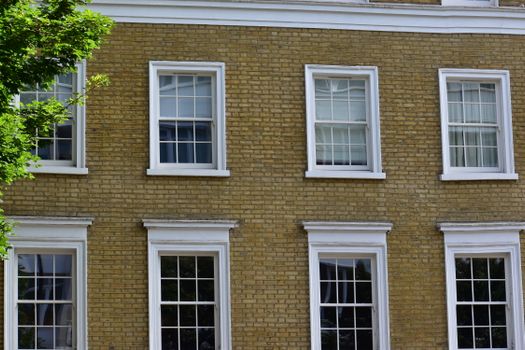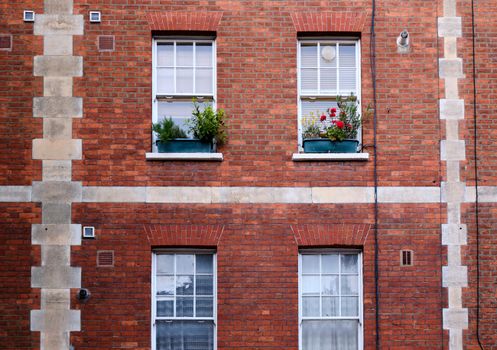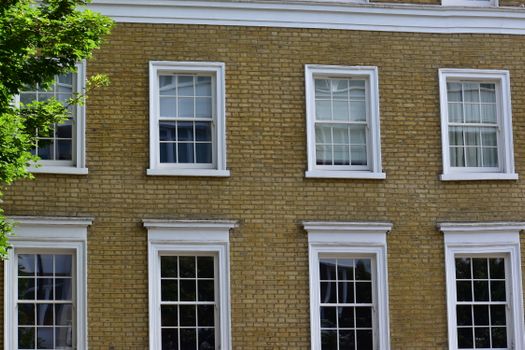
Sliding sash windows are the quintessential feature of many of London’s historic homes, adorning Georgian, Victorian, and Edwardian terraces across the city. Maintaining these windows is not just a matter of appearance—it’s crucial for preserving the character, value, and energy efficiency of heritage properties. With over 750,000 period homes in London featuring original or replica sliding sash windows, it’s clear that careful, informed maintenance is essential for both homeowners and conservationists. In this article, we focus on expert recommendations for maintaining sliding sash windows in London’s historic locations, with unique emphasis on sympathetic care, legal requirements, and practical strategies for long-term preservation.
The Unique Challenges of Sliding Sash Windows in London’s Historic Settings
Sliding sash windows in historic London locations face a distinctive set of challenges. Firstly, the city’s climate—a blend of damp winters, fluctuating temperatures, and urban pollution—can accelerate deterioration. Secondly, many of these windows are protected by conservation area regulations or listed building status. According to Historic England, over 27% of London’s homes are located in conservation areas, meaning alterations and even some maintenance measures require special permissions.
Additionally, the materials used in period sash windows—typically old-growth pine or oak, single-glazed glass, and traditional putty—are more vulnerable to rot, draughts, and rattles compared to modern counterparts. The craftsmanship and heritage value also mean that careless repairs could devalue a property or breach legal obligations.
.png) Key challenges include:
- Moisture leading to timber decay
- Damage from air pollution and traffic vibration
- Regulatory restrictions on materials and methods
- Aging cord and pulley systems
- Sash weights becoming unbalanced over time
Key challenges include:
- Moisture leading to timber decay
- Damage from air pollution and traffic vibration
- Regulatory restrictions on materials and methods
- Aging cord and pulley systems
- Sash weights becoming unbalanced over time
Understanding these challenges lays the groundwork for tailored maintenance strategies that respect both the architectural legacy and functional needs of historic homes.
Legal and Conservation Requirements for Sash Window Maintenance
One of the most crucial aspects of maintaining sliding sash windows in London’s historic districts is compliance with legal and conservation guidelines. Neglecting these can result in heavy fines or forced remedial work. If your home is listed (Grade I, II$1 properties. - Sash Cord Replacement: Worn or snapped cords are a common issue. Traditional waxed cotton sash cords are preferred over synthetic alternatives for historic authenticity. - Glass Replacement: Where original cylinder or crown glass is broken, seek out specialist suppliers. In conservation areas, matching the appearance is vital. - Draught Proofing: Install discreet brush or rubber seals. These can improve thermal performance by up to 30% without altering appearance.The following table outlines typical repair options for sash windows in historic settings:
| Repair Type | Average Cost (London, 2024) | Heritage Compliance | Expected Lifespan |
|---|---|---|---|
| Basic Sash Cord Replacement | £90–£150 per window | Always use traditional materials in listed buildings | 10–20 years |
| Timber Splice Repairs | £120–£250 per section | Original wood species preferred; resin sometimes permitted | 20–30 years |
| Full Sash Restoration | £350–£700 per window | Must match historic profiles and finishes | 50+ years with maintenance |
| Draught Proofing Upgrade | £150–£250 per window | Generally allowed if visually unobtrusive | 10–15 years |
Always choose reputable specialists with experience in conservation projects. Poor repairs or use of inappropriate materials can devalue the property and lead to regulatory complications.
Modern Solutions That Respect Heritage: Technology and Materials
Advancements in window maintenance and restoration now allow historic sash windows to benefit from improved efficiency and durability without compromising their character. Several modern solutions are widely accepted by conservation officers and can make a significant difference in historic London homes.
Key innovations include: - Micro-porous Paints: These allow timber to breathe, reducing rot risk and extending repainting cycles from 5 to 10 years. - Vacuum-Insulated Glass: Ultra-thin double glazing (down to 6.7mm thick) is now available and, in some cases, permitted in listed buildings. It can cut heat loss by up to 60% while retaining the original frame. - Discreet Security Locks: Modern sash restrictors and lifts can be fitted without altering the window’s appearance, meeting insurance requirements while preserving aesthetics. - Specialist Draught-Proofing Kits: These are designed for period properties and can be retrofitted with minimal visual impact.Example: The London Borough of Islington allows vacuum-insulated glazing in selected conservation areas, provided the original sash frames are retained and profiles matched, demonstrating how technology and heritage can work hand-in-hand.
Engaging with Local Heritage and Community Initiatives
Caring for sliding sash windows in historic London is not just a matter of private responsibility. Many neighbourhoods and boroughs actively support homeowners in maintaining their period features, sometimes offering grants or technical advice.
Community resources include: - Local Authority Grants: Some boroughs, such as Camden and Westminster, periodically offer financial support for heritage window repair. In 2023, Camden Council awarded over £120,000 for conservation home improvements. - Conservation Advice Services: The London Historic Buildings Trust and other charities provide free or low-cost consultations on appropriate maintenance and repair. - Heritage Open Days: Participating in local open house events can connect homeowners with skilled craftspeople and reputable suppliers.Engaging with these initiatives not only helps preserve the character of your own home but also strengthens the overall heritage value of your street and community.
Preserving Sliding Sash Windows: Long-Term Value for London’s Heritage
Sliding sash windows are more than architectural features—they are a living link to London’s past, embodying centuries of design and craftsmanship. Effective, sympathetic maintenance ensures these windows continue to add value, beauty, and comfort to historic homes for generations.
By understanding the unique challenges of London’s climate and regulations, following a structured care routine, using appropriate repair techniques, adopting modern yet respectful solutions, and tapping into local heritage resources, homeowners can confidently protect their sash windows—and their home’s historic soul.
Remember: every sash window restored is a piece of London’s story preserved.