Sliding sash windows are a beloved feature in many period properties across the UK, instantly recognizable by their elegant design and classic charm. Yet, despite their enduring popularity, a host of myths and misconceptions surround these windows. Whether you’re considering restoring original sash windows or installing new ones, separating fact from fiction can help you make more informed decisions. In this article, we’ll dismantle the most common myths about sliding sash windows and reveal what you should really know.
Understanding the History and Evolution of Sliding Sash Windows
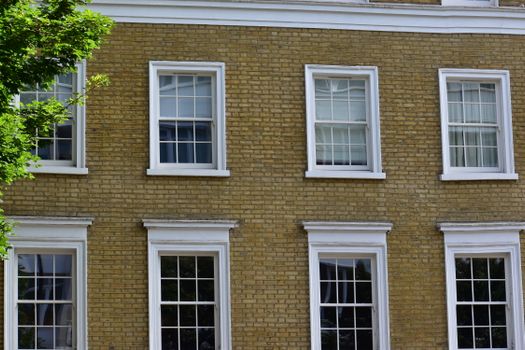
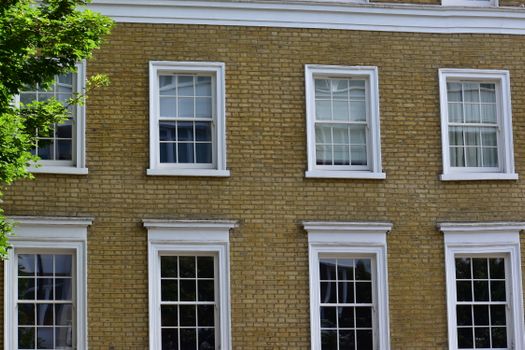
Sliding sash windows first appeared in the late 17th century and quickly became the hallmark of Georgian, Victorian, and Edwardian architecture. By the 18th century, sash windows were the standard for urban dwellings, prized for their ventilation and aesthetic. According to Historic England, sash windows account for over 70% of windows in listed British homes built before 1910.
Over the years, craftsmanship and technology have significantly improved. While early sash windows relied on timber and single glazing, today’s options include engineered wood, uPVC, and double or even triple glazing. Despite these advancements, outdated perceptions remain, particularly about their durability, maintenance, and efficiency.
.png)
Myth 1: Sliding Sash Windows Are Always Draughty and Inefficient
Perhaps the most pervasive myth is that sash windows are inherently draughty, cold, and poor at insulating homes. This belief stems from the experience of older, poorly maintained windows with loose frames and worn-out seals. However, modern sash windows are a far cry from their Victorian ancestors.
Today’s sash windows can be fitted with double or triple glazing, weather-resistant seals, and even argon gas-filled panes. According to the Energy Saving Trust, upgrading from single to double glazing can reduce heat loss through windows by up to 54%. Furthermore, modern timber or uPVC sash windows are designed to exceed Building Regulations for energy efficiency, with U-values as low as 1.2 W/m²K.
For period properties, professional restoration can also make a dramatic difference. Draught-proofing strips, secondary glazing, and expert repairs can eliminate cold spots and rattling, making original sash windows as comfortable as modern alternatives.
Myth 2: Sash Windows Are Difficult to Maintain
Another myth is that sash windows require endless upkeep. While older sash windows can develop issues like sticking frames or snapped cords, most issues result from years of neglect rather than inherent design flaws.
Modern sash windows are engineered for easy maintenance. Features like tilt-in sashes allow for safe cleaning from inside the building, and advances in paint technology mean timber frames don’t need annual repainting. Many manufacturers now use micro-porous paints and factory finishes that last up to 10 years before re-coating.
For existing period windows, a routine maintenance schedule—annual checks, occasional lubrication, and prompt repairs—can extend their lifespan by decades. In fact, a well-maintained sash window can last over 100 years, far outstripping the average 20-35 year lifespan of uPVC units.
Myth 3: You Must Replace Old Sash Windows to Improve Performance
Homeowners often feel pressured to rip out original sash windows in favor of modern replacements for better performance. This is not only unnecessary but can actually devalue historic homes. According to a 2020 survey by English Heritage, 82% of homebuyers pay more for properties with original features like sash windows.
There are numerous ways to upgrade existing sash windows without replacement:
- Draught-proofing and weather stripping - Installing secondary glazing - Using specialist glass, such as acoustic or thermal panes - Upgrading the weights and pulleys for smoother operationThese interventions are often more cost-effective than full replacement and help preserve the unique character of period properties. Moreover, planning regulations in conservation areas and listed buildings often require retention of original windows.
Comparison: Modern vs. Original Sliding Sash Windows
To clarify the differences between traditional and modern sash windows, here’s a comparative overview:
| Feature | Original Sash Windows | Modern Sash Windows |
|---|---|---|
| Material | Timber (often softwood) | Engineered timber, uPVC, aluminum |
| Glazing | Single glass pane (3-4mm) | Double/triple glazing, specialist glass |
| Energy Efficiency (U-value) | 4.8-5.8 W/m²K | 1.2-1.6 W/m²K |
| Maintenance | Regular painting, putty replacement | Minimal, factory finishes, tilt-in cleaning |
| Typical Lifespan | 60-100+ years (with care) | 20-35 years (uPVC); 60+ years (engineered timber) |
Myth 4: Sliding Sash Windows Are Not Secure
Security is a major concern for any homeowner, and many believe sash windows are easy targets for intruders. In reality, sash windows—when properly maintained or upgraded—can be just as secure as any other window type.
Modern sash windows come with robust locking systems, including key-operated locks, security stops, and reinforced sashes. Even traditional windows can be upgraded with internal locks, laminated glass, and strengthened frames. According to the Office for National Statistics, only 7% of home burglaries in England and Wales in 2022 involved windows as the point of entry, and the majority were via insecure or neglected openings.
For listed properties, security enhancements can be installed sympathetically, preserving the external appearance while adding peace of mind.
Myth 5: Sash Windows Are Noisy and Offer Poor Sound Insulation
It’s often assumed that sash windows are noisy, especially in busy urban areas. While single-glazed, ill-fitting windows can let in street noise, there are effective solutions to this problem.
Secondary glazing has been shown to reduce noise by up to 54 decibels, making it one of the most effective upgrades for sash windows in noisy locations. Acoustic glass and draught-proofing further enhance sound insulation. In fact, specialist sash window companies offer bespoke noise-reduction solutions that rival or outperform standard casement windows.
A 2019 report by the Glass and Glazing Federation noted that properly upgraded sash windows could reduce outside noise by up to 70% compared to unmodified originals.
Why Dispelling Myths About Sliding Sash Windows Matters
Believing the myths surrounding sliding sash windows can lead to costly mistakes—such as unnecessary replacements, undervaluing historic features, or missing out on modern improvements. Understanding the real capabilities and options for sash windows helps homeowners preserve heritage, save money, and enjoy comfortable, secure homes.
The reality is that sash windows, whether original or new, can be efficient, secure, and low-maintenance when properly specified and cared for. With the right upgrades and expert advice, these iconic windows can continue to grace Britain’s homes for centuries to come.