Modern homeowners and renovators face a familiar conundrum: preserve the charm and authenticity of traditional wooden windows or embrace the sleek functionality of modern sliding designs. Both window types have passionate advocates and unique advantages, but also notable drawbacks. With energy costs, property values, and aesthetic trends evolving rapidly, understanding the trade-offs between modern sliding wooden windows and traditional wooden windows is crucial for making the right choice for your home. Let’s delve into the key differences, benefits, and potential downsides, backed by current data and practical insights.
The Evolution of Wooden Windows: From Tradition to Modern Innovation
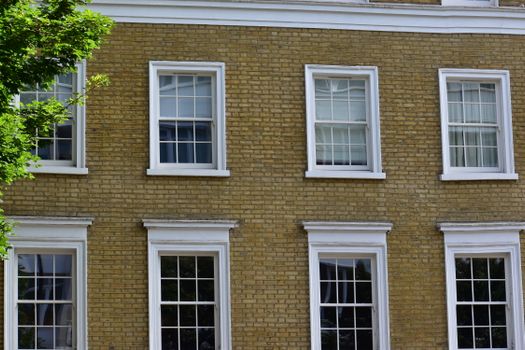
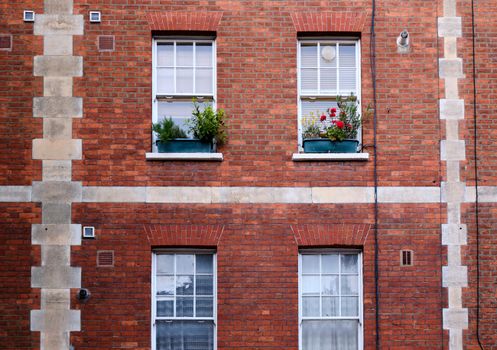
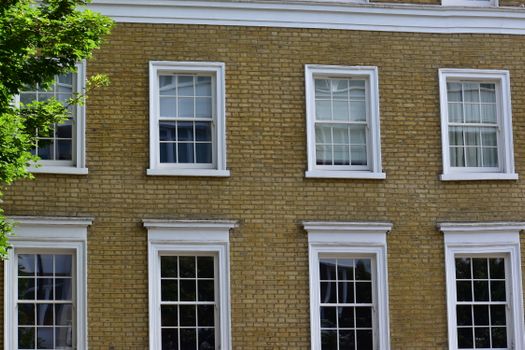
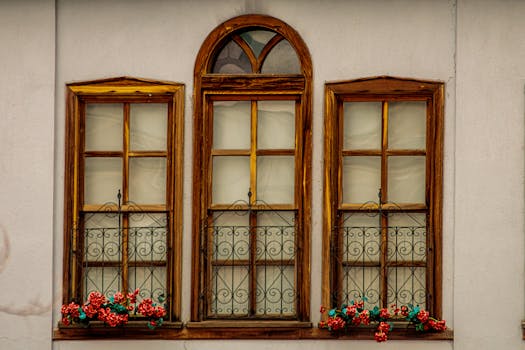
Wooden windows have graced British architecture for centuries, from grand Georgian sash windows to the practical casements of Victorian terraces. Traditionally, these windows were handcrafted, featuring single glazing and ornate joinery. Their enduring popularity owes much to their classic aesthetics, robust materials, and the cozy atmosphere they impart.
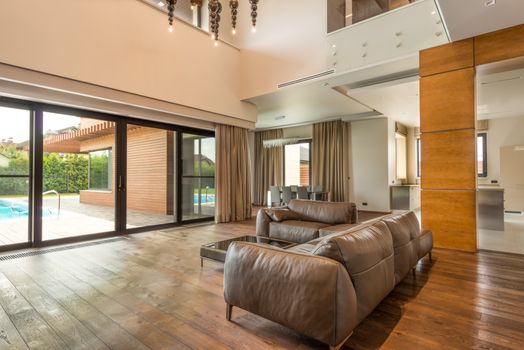
Modern sliding wooden windows, by contrast, are engineered for performance and efficiency. They retain timber’s natural warmth and beauty but integrate advanced features such as double or triple glazing, seamless sliding mechanisms, and factory-applied finishes. According to a 2023 survey by the British Woodworking Federation, over 42% of new timber window installations now employ some form of modern sliding mechanism, a significant rise from just 18% a decade ago.
.png)
This evolution reflects changing homeowner priorities: reduced maintenance, improved energy efficiency, and compatibility with contemporary lifestyles. But how do these modern features stack up against the enduring strengths of traditional wooden windows?
Comparing Performance: Insulation, Security, and Durability
Performance is a primary concern for any window installation. Modern sliding wooden windows are designed to meet or exceed current building regulations, with advanced weather seals, multi-point locking systems, and high-performance glazing units.
Traditional wooden windows, especially those over 50 years old, may struggle in these areas unless retrofitted. Single glazing, worn seals, and basic locks can result in energy loss and security risks. However, with proper refurbishment, traditional windows can be significantly upgraded.
Here’s a direct comparison of key performance factors:
| Feature | Modern Sliding Wooden Windows | Traditional Wooden Windows |
|---|---|---|
| Energy Efficiency (U-value) | 1.2–1.6 W/m²K (double-glazed) | 3.0–5.0 W/m²K (single-glazed) |
| Security | Multi-point locks, toughened glass | Simple latches, basic locks |
| Maintenance | Minimal (factory finishes, advanced seals) | Regular painting, puttying, sealing |
| Expected Lifespan | 40–60 years (with minimal upkeep) | 60+ years (with diligent maintenance) |
| Weather Resistance | Excellent (engineered timber, modern seals) | Variable (depends on age and upkeep) |
Statistically, upgrading from single to double-glazed sliding wooden windows can reduce heat loss by as much as 60%, according to the Energy Saving Trust.
Design Flexibility and Aesthetic Considerations
Aesthetic appeal remains a driving factor in window selection. Traditional wooden windows, particularly original sash or casement types, offer unmatched historical authenticity. They are often a requirement in conservation areas or for listed buildings, where maintaining architectural integrity is paramount.
Modern sliding wooden windows, however, offer a wide range of finishes, profiles, and glazing options. Manufacturers can replicate period features—horns, bars, and mouldings—while providing the clean lines and slim frames desired in contemporary settings. In 2022, over 33% of UK homeowners cited “versatility of design” as a key reason for choosing modern sliding windows, according to a Home Improvement Trends report.
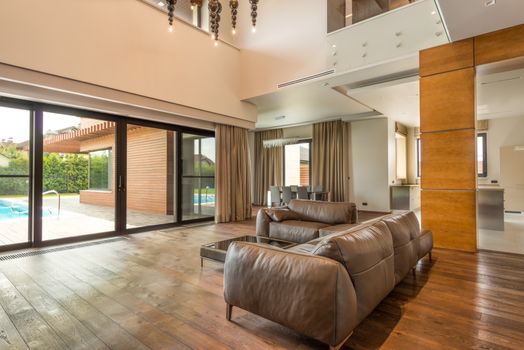
Another factor is the ability to maximize glass area. Sliding wooden windows, especially those with slim frames, allow more natural light and broader views than many traditional designs. This is particularly valued in open-plan spaces or modern extensions, where the connection between indoors and outdoors is emphasized.
In summary, if you’re seeking a faithful period restoration, traditional wooden windows are unrivaled. But for blending heritage style with modern comfort, sliding wooden windows provide impressive flexibility.
Installation, Cost, and Value for Money
Installation costs and long-term value are critical considerations. Modern sliding wooden windows tend to have higher upfront costs due to advanced materials, hardware, and double or triple glazing. On average, installing a modern sliding wooden window in the UK ranges from £1,200 to £2,000 per unit, whereas restoring or replicating a traditional window might cost £800 to £1,500 per unit, depending on specifications and craftsmanship.
However, running costs often tell a different story. Modern sliding windows’ energy efficiency can save the average household up to £215 per year on heating, based on 2023 data from the Department for Energy Security and Net Zero. Over a 20-year period, these savings can offset the initial investment.
Installation time is typically shorter for modern systems, as they are factory-prepared and often feature “plug-and-play” fitting. Traditional windows, especially bespoke restorations, may require more site work and specialist skills, extending the project timeline.
It’s also important to consider property value. According to Nationwide Building Society, homes with well-maintained or upgraded wooden windows command up to 7% higher sale prices, particularly in sought-after heritage areas.
Maintenance Demands and Longevity
Wood is renowned for its longevity—some original sash windows in London have functioned for over 150 years. However, traditional windows require regular care: repainting every 5–8 years, re-puttying glass, and checking for rot or swelling.
Modern sliding wooden windows are designed to minimize these demands. Engineered timber (often laminated for strength), micro-porous paints, and factory-applied finishes can extend maintenance intervals to 10–15 years. Sliding mechanisms, made with advanced polymers or stainless steel, resist sticking and corrosion.
Nevertheless, no timber window is entirely maintenance-free. Both traditional and modern types need periodic inspection to address minor issues before they escalate. The key advantage of modern sliding windows is the predictability and simplicity of upkeep, making them appealing for busy households or commercial settings.
Sustainability and Environmental Impact
Sustainability is increasingly influencing window choices. Timber is the only truly renewable building material widely used for windows. Both traditional and modern wooden windows have strong green credentials—when sourced from certified forests.
Modern sliding wooden windows often use engineered timber, maximizing yields from each log and reducing waste. Many manufacturers hold Forest Stewardship Council (FSC) certification. The embodied carbon in timber windows is about 0.8 kg CO2e per kg, significantly lower than uPVC (2.5 kg CO2e per kg) or aluminium (8.1 kg CO2e per kg), according to the Wood Window Alliance.
Additionally, double-glazed units in modern windows further cut energy use, reducing household carbon footprints. A recent BRE report found that replacing single-glazed windows in a typical semi-detached home with modern timber double-glazed units lowered annual CO2 emissions by up to 410 kg.
Traditional windows can also be sustainable, especially when repaired rather than replaced. Retaining existing timber frames avoids waste and preserves craftsmanship—an inherently eco-friendly approach.
Final Thoughts: Making the Right Window Choice for Your Home
Choosing between modern sliding wooden windows and traditional wooden windows hinges on your home’s character, your maintenance preferences, and your sustainability goals. Modern sliding wooden windows deliver exceptional energy efficiency, low maintenance, and design flexibility suited to today’s lifestyles. Traditional wooden windows offer unmatched authenticity and, with careful upkeep, can last for generations.
For period properties or conservation areas, restoring or replicating traditional designs may be essential. In new builds, extensions, or where modern performance is a priority, sliding wooden windows are a compelling option. Ultimately, both types can enhance property value and comfort—provided they are well-chosen and properly maintained.