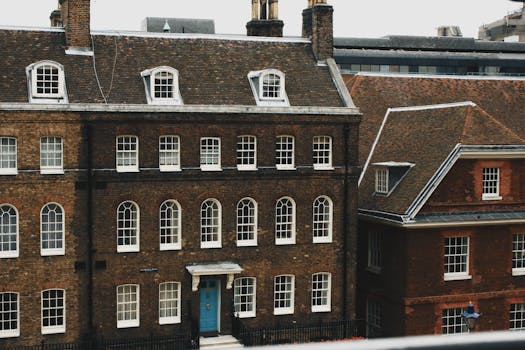
Sliding sash windows have long been a defining feature of London’s architectural landscape, gracing everything from stately Georgian terraces to charming Victorian townhouses. In recent years, custom sliding sash windows have gained popularity among homeowners, architects, and conservationists looking to combine timeless elegance with modern performance. But are custom sash windows the right choice for your London property? To help you decide, this article explores the distinct advantages and disadvantages of custom sliding sash windows, with a special focus on the unique needs and challenges found in the capital.
The Enduring Appeal of Custom Sliding Sash Windows in London
London’s built environment is a patchwork of history, with over 600,000 listed buildings and thousands of conservation areas. For many, the sliding sash window is synonymous with the city’s heritage charm. Traditional sash windows, characterized by their vertically sliding panels and intricate glazing bars, remain a sought-after feature in both period homes and sympathetic new builds.
Custom sliding sash windows take this appeal further by offering tailored solutions. Whether you live in a Grade II listed townhouse in Kensington or a modern flat in Hackney, customisation allows for precise matching of dimensions, profiles, finishes, and materials. This is vital in a city where planning regulations can be stringent and architectural consistency is prized.
.png)
However, opting for custom windows is a significant investment. Understanding the benefits and potential drawbacks can help you make an informed choice that balances aesthetics, practicality, and long-term value.
Key Advantages of Custom Sliding Sash Windows
Custom sliding sash windows are often chosen for their adaptability and enhanced performance. Here are some of the leading benefits:
1. $1 Many of London’s homes were built before standardized window sizes became common. Original sash windows may have unique proportions or decorative features that off-the-shelf replacements cannot replicate. Custom manufacturing ensures each window is crafted to fit the existing openings perfectly, preserving the property’s historical integrity. 2. $1 Modern custom sash windows can incorporate advanced glazing, draught-proofing, and insulating materials. According to Historic England, up to 20% of a home’s heat can be lost through single-glazed, poorly fitting sash windows. Custom windows can dramatically reduce heat loss by integrating double or even triple glazing, as well as specialist seals that keep out London’s notorious draughts and noise. 3. $1 From classic timber to low-maintenance engineered wood or even composite materials, custom sash windows offer a wide palette. Homeowners can select from dozens of paint finishes, glazing patterns, and ironmongery options to suit both the architecture and personal preferences. This is particularly important in conservation areas where visual authenticity is scrutinized. 4. $1 Older sash windows are sometimes vulnerable to break-ins or prone to sticking and jamming. Custom options allow for robust locking systems, reinforced frames, and smooth-glide mechanisms that make them safer and easier to use. 5. $1 A 2022 report by Rightmove indicates that sympathetically upgraded period homes in London can command up to 15% higher resale values compared to those with unsympathetic alterations. Authentic, high-quality sash windows play a significant role in curb appeal and buyer confidence.Disadvantages and Challenges of Custom Sliding Sash Windows
While the benefits are compelling, custom sliding sash windows are not without their drawbacks, especially in a demanding urban market like London.
1. $1 Custom windows are typically more expensive than standard sizes. Depending on the material and specification, costs in London for custom timber sash windows can range from £1,200 to £2,500 per window, compared to £700–£1,200 for standard replacements. This reflects the bespoke design, skilled craftsmanship, and quality materials involved. 2. $1 Custom manufacturing involves detailed surveys, design work, and precise fabrication. Lead times of 8–14 weeks are common, compared to 3–6 weeks for off-the-shelf units. This can be problematic for projects with tight deadlines or urgent repair needs. 3. $1 London’s conservation regulations can be complex. Installing custom sliding sash windows may require planning permission, especially in listed buildings or conservation areas. The process can be time-consuming, and designs may need to be revised to gain approval. 4. $1 While modern finishes have improved, traditional timber sash windows still require regular maintenance to prevent rot, warping, or paint deterioration. Neglecting this can shorten the lifespan of your investment. 5. $1 With so many options available, homeowners may be tempted to choose high-end features that are either unnecessary or incompatible with the overall property style, leading to wasted expenditure or planning conflicts.Comparing Custom Sash Windows to Standard and uPVC Alternatives
To put the advantages and disadvantages in perspective, it’s helpful to compare custom sliding sash windows with standard-sized timber options and popular uPVC sash windows. The table below summarizes key differences:
| Feature | Custom Timber Sash | Standard Timber Sash | uPVC Sash |
|---|---|---|---|
| Average Cost (per window, London) | £1,200–£2,500 | £700–£1,200 | £400–£900 |
| Lead Time | 8–14 weeks | 3–6 weeks | 2–4 weeks |
Planning Permission Needed$1Especially in conservation areas or listed buildings
Material Choices: Timber, Engineered Wood, and Modern AlternativesOne of the defining aspects of custom sliding sash windows is the choice of materials. London’s climate—damp winters, occasional heatwaves, and air pollution—places unique demands on window construction. - $1 Offers unsurpassed authenticity and is often required by conservation officers. High-quality hardwoods like Accoya or oak are resistant to rot and can last over 60 years with proper upkeep. However, they require regular painting and maintenance. - $1 Increasingly popular for its stability and environmental credentials. Engineered timber resists warping and can be factory-finished for longer-lasting protection. - $1 These hybrid options combine the beauty of wood internally with weather-resistant exteriors. They are ideal for homeowners who want traditional aesthetics without the full maintenance burden. - $1 While not typically used for custom heritage projects, uPVC sash windows offer low maintenance and cost benefits but lack the visual fidelity and feel of real timber.According to the British Woodworking Federation, more than 70% of sash windows installed in London’s conservation areas are made from timber or engineered wood, reflecting ongoing demand for authenticity. Customisation Options: Tailoring to London’s Unique CharacterCustom sliding sash windows excel in their ability to match or complement London’s diverse architecture. Key customisation options include: - $1 Single, double, or even triple glazing for improved insulation and soundproofing. Acoustic glass is a popular upgrade for properties near busy roads or railway lines. - $1 Replication of original glazing bars, horns, and frame details to match existing windows exactly. - $1 Custom-finished sash lifts, fasteners, and restrictors in brass, chrome, or period-appropriate finishes. - $1 Factory-applied microporous coatings in bespoke colours, including heritage shades.For example, a homeowner in Islington seeking to restore a late Victorian villa might specify slender glazing bars, arched head sashes, and hand-polished brass ironmongery to mirror the originals—features that would be impossible with standard windows. Environmental and Sustainability ConsiderationsWith London’s focus on sustainability, many homeowners are keen to minimize their environmental impact. Custom timber sash windows can be an eco-friendly choice if sourced and manufactured responsibly. - $1 Look for Forest Stewardship Council (FSC) certification, which guarantees that wood comes from responsibly managed forests. - $1 Unlike mass-produced uPVC, timber windows can be repaired and repainted, extending their lifespan and reducing landfill waste. - $1 At the end of their service life, timber windows can be recycled or repurposed, whereas most uPVC ends up in landfill.A 2021 study by the Building Research Establishment found that well-maintained timber windows have a lower whole-life carbon footprint than uPVC alternatives, especially when factoring in repair and refurbishment cycles. Final Thoughts: Weighing the Pros and Cons in a London ContextCustom sliding sash windows in London offer a unique blend of visual authenticity, modern performance, and long-term value. They are often the best—and sometimes the only—solution for period homes and those in conservation areas. While the upfront investment and regulatory complexity can be daunting, the rewards in terms of beauty, comfort, and market value are substantial. However, they are not for every property or every budget. For those in newer buildings or with less stringent planning requirements, standard or uPVC sash windows may offer a more practical solution. Ultimately, the decision hinges on your property’s unique needs, your aesthetic goals, and your willingness to invest time and resources in quality craftsmanship. Consulting with experienced London-based sash window specialists can help you navigate the options and achieve the perfect result. FAQ How long do custom sliding sash windows typically last in London’s climate? With proper maintenance, high-quality custom timber sash windows can last 50–70 years or more, especially if made from durable hardwoods or engineered timber. Are double-glazed sash windows allowed in London conservation areas? In many conservation areas, double glazing is allowed if it does not alter the external appearance. However, each borough and property type may have specific rules, so check with your local planning authority. What is the average installation time for custom sash windows in London? Installation time per window is typically 1–2 days, but the entire process—including surveying, fabrication, and fitting—can take 8–14 weeks, depending on complexity and supplier workload. Do custom sash windows require more maintenance than standard windows? Custom timber sash windows generally require repainting and minor maintenance every 5–8 years, while engineered timber and composite options may need less frequent attention. Can custom sliding sash windows improve sound insulation in busy London areas? Yes, custom sash windows can be specified with acoustic glass and tight seals, significantly reducing noise from traffic, trains, or nightlife—a key benefit for central London properties.
More from the archiveView full article archive →
sash-windows-london.com
Find the Best Sliding Sash Window Expert in London: A Comprehensive Guide
sash-windows-london.com
Beginner's Guide to Installing Sliding Sash Windows: Tips & Tricks
sash-windows-london.com
Unlock Funding for Sash Windows: A Guide to Restoration Grants
sash-windows-london.com
Maximize the Lifespan of Your Wooden Sliding Windows: Expert Tips & Insights
sash-windows-london.com
Top Wooden Sliding Windows for Modern Homes: A Detailed Comparison Guide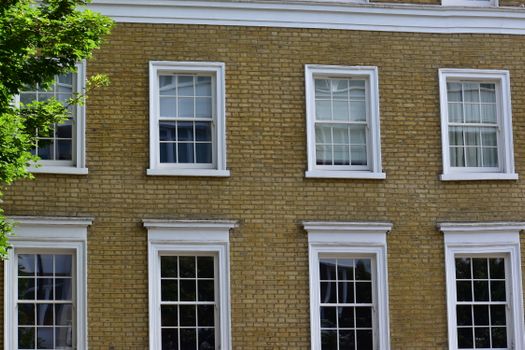
sash-windows-london.com
Sash Window Restoration: London's Architectural Evolution & Impact
sash-windows-london.com
Mastering Sash Window Repairs: DIY Tips vs. When to Call a Specialist
sash-windows-london.com
Avoid Costly Errors: Expert Tips for Sash Window Refurbishment |