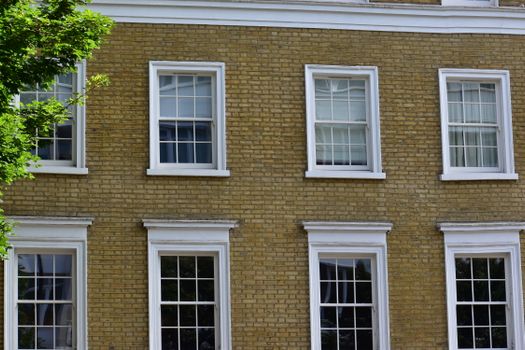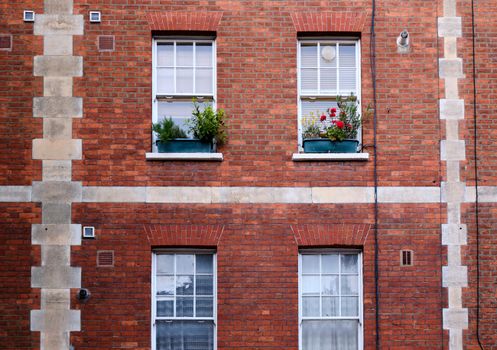
Sash windows have graced homes, public buildings, and grand estates for centuries, captivating generations with their distinctive style and enduring practicality. Despite major shifts in architectural trends and advances in window technology, sash windows remain a cherished choice for homeowners and architects alike. Their continued popularity raises a fascinating question: why have sash windows stood the test of time? To answer this, we delve into the rich history, ingenious engineering, and persistent appeal of sash windows, exploring how these iconic features have seamlessly bridged tradition and modernity.
The Origins and Evolution of Sash Windows
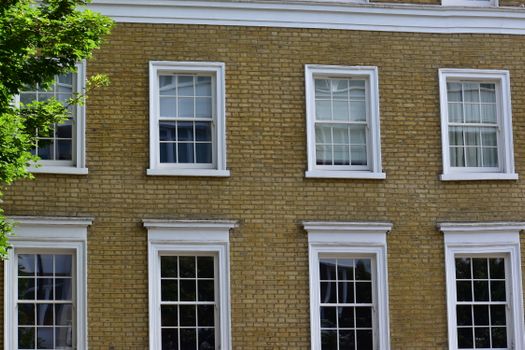
The story of sash windows begins in 17th-century Europe, a time of innovation in building design. The earliest known sash windows appeared in England around the 1670s, with the earliest surviving examples found at Ham House near Richmond, London. By the Georgian period (1714–1830), sash windows had become the standard for stylish homes, admired for their symmetry and refined appearance.
Unlike earlier casement windows, which swung outward on hinges, sash windows used a clever system of movable panels (sashes) that slid vertically. This design offered several advantages: improved ventilation, tighter weatherproofing, and a clean, balanced look that suited the architectural tastes of the time. By the Victorian era, advancements in glass-making allowed for larger panes, further enhancing the sash window’s aesthetic and functionality.
.png)
Today, sash windows can be found in historic homes, new builds, and everything in between—a testament to their adaptability and timeless charm. Estimates suggest that over 85% of UK homes built before 1914 featured sash windows, highlighting their deep cultural significance.
Engineering Excellence: The Secret Behind Sash Window Longevity
What sets sash windows apart from other window types isn’t just their appearance—it’s their ingenious engineering. The traditional sash window consists of two glazed panels (or “sashes”) that slide past each other within a frame. This movement is made possible by a counterbalance system, usually employing weights and pulleys hidden within the frame.
This design offers several key benefits:
- $1: The counterbalance allows even heavy sashes to be opened with minimal effort, a significant advantage over early alternatives. - $1: The use of quality hardwoods like oak or pine, combined with expert joinery, has meant that many original sash windows survive in excellent condition after 100+ years. - $1: Unlike some modern window types that require full replacement if damaged, sash windows can often be repaired piece by piece. Sashes, cords, and glass panes can all be replaced individually.In a 2022 survey by Historic England, it was found that over 70% of historic sash windows in listed buildings were still in use, thanks largely to their repairable design and use of robust materials.
Timeless Aesthetics: The Enduring Appeal of Sash Windows
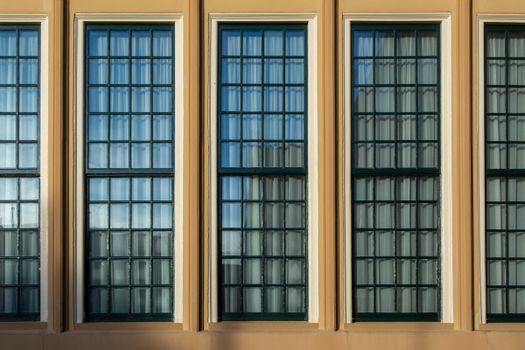
A major reason sash windows have remained so popular is their visual appeal. Their proportions and symmetry complement a wide range of architectural styles, from Georgian townhouses to contemporary eco-homes. The clean vertical lines and subtle detailing of sash windows add a sense of elegance and refinement that is hard to match.
Sash windows are also highly customizable. Homeowners can choose from a variety of glazing patterns, such as the classic six-over-six or the more ornate “Venetian” style with arched tops. Modern manufacturing allows for even more choices, including different frame materials, finishes, and hardware.
One of the most compelling statistics comes from a 2021 survey of UK estate agents, where 62% said that original or well-restored sash windows significantly increased a property’s curb appeal and value—sometimes by as much as 10%. This underscores the fact that sash windows are not only beautiful but also a smart investment.
Practical Benefits: Beyond Good Looks
While sash windows are undeniably attractive, their practicality is equally impressive. Key functional advantages include:
- $1: Sash windows allow for versatile airflow. By opening both the top and bottom sashes, warm air can escape through the top while cool air enters from below—an early form of passive climate control. - $1: Restrictors and locking mechanisms can be added to sash windows, providing security without compromising their classic appearance. - $1: Thanks to their design, both sides of a sash window can be cleaned from inside the building—an important feature for upper-floor windows.Modern adaptations have further enhanced their performance. For instance, the introduction of double glazing and weather seals has dramatically improved energy efficiency, with some new sash windows achieving U-values (a measure of thermal performance) as low as 1.2 W/m²K—on par with contemporary casement windows.
Sash Windows vs. Other Window Types: A Comparative Overview
To better understand why sash windows have endured, it’s helpful to compare them with other popular window types. The table below highlights key differences:
| Feature | Sash Windows | Casement Windows | Fixed Windows |
|---|---|---|---|
| Opening Mechanism | Slides vertically (or horizontally) | Swings outward/inward on hinges | Non-opening |
| Ventilation Control | Excellent (top & bottom sashes) | Good (but less nuanced) | None |
| Historical Use (UK homes pre-1914) | 85%+ | Around 10% | Rare |
| Ease of Cleaning | Cleanable from inside | May require outside access | Cleanable from inside |
| Architectural Styles | Georgian, Victorian, Edwardian, Modern | Modern, Traditional | Contemporary |
| Energy Efficiency (Modern Options) | High (with double glazing & seals) | High (with double glazing) | Very high |
| Repairability | Very high | Moderate | Low |
This comparison makes it clear why sash windows have persisted: their unique combination of beauty, versatility, and practical benefits is unmatched by most alternatives.
Adaptability: Meeting Modern Demands
Perhaps the most remarkable aspect of sash windows is their ability to evolve. While deeply rooted in history, sash windows have adapted to the changing needs of homeowners and building standards.
- $1: In addition to traditional timber, modern sash windows are available in uPVC and aluminium, offering enhanced durability and reduced maintenance. Timber remains popular for period properties and conservation areas, but uPVC now accounts for approximately 40% of new sash window installations in the UK, thanks to its affordability and low upkeep. - $1: Innovations such as double and triple glazing, thermal breaks, and modern weatherstripping have made sash windows as energy-efficient as any contemporary window type—a crucial factor in today's eco-conscious market. - $1: Modern sash windows, fitted with acoustic glass, can reduce outside noise by up to 45 decibels, making them ideal for urban environments. - $1: Many manufacturers now source timber from sustainably managed forests and use recyclable materials, making sash windows an environmentally responsible choice.These adaptations have kept sash windows relevant in a rapidly changing world, ensuring their survival for centuries to come.
Why Sash Windows Continue to Win Hearts and Homes
The enduring popularity of sash windows is no accident. Their seamless blend of classic design, practical engineering, and ongoing innovation has secured their place in both heritage buildings and modern homes. From their origins in 17th-century England to their current status as a sought-after feature, sash windows have consistently delivered on beauty, functionality, and value.
Their ability to adapt—whether through new materials, improved glazing, or eco-friendly manufacturing—ensures they remain relevant for generations. As homeowners increasingly seek to balance tradition with modern comfort and efficiency, sash windows offer the best of both worlds.
Whether you live in a centuries-old terrace or a contemporary build, sash windows are more than just a nod to the past—they are a testament to timeless design and thoughtful engineering.