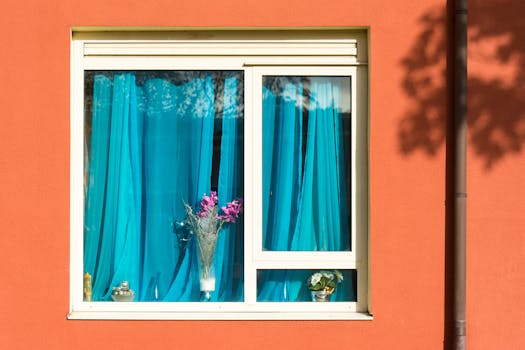
Casement Windows: The Unsung Heroes of Modern Home Design
When it comes to designing a modern home, windows play a far more significant role than merely allowing in light and fresh air. They define architectural character, influence energy efficiency, and shape the way we interact with our living spaces. Among the many window styles available, casement windows stand out for their remarkable versatility. Whether you dream of a bright, airy kitchen or crave maximum ventilation for a cozy study, casement windows offer solutions that blend form and function in ways that other window types often cannot. In this article, we’ll explore why casement windows are earning their place as a go-to choice in contemporary homes, their unique benefits, and how they stack up against other popular window options.
Understanding Casement Windows: Function and Form
Casement windows are hinged on the side and swing outward like a door, typically operated by a crank or lever. This design, which dates back to the 18th century, has evolved to suit modern tastes and requirements. Today’s casement windows are available in a range of materials including uPVC, aluminium, and timber, and can be customized to fit almost any architectural style.
One of the defining features of casement windows is their unobstructed glass area. Unlike sash windows, which consist of two sliding panels, or awning windows, which are hinged at the top, casement windows provide a clear, uninterrupted view. This makes them a popular choice for homeowners looking to maximize daylight and create a seamless connection between indoor and outdoor spaces.
.png)
From a functional perspective, casement windows are revered for their ability to direct airflow into a room. When opened, the sash acts like a sail, catching side breezes and channeling them indoors. This natural ventilation can help reduce reliance on air conditioning systems, an important consideration given that cooling accounts for roughly 6% of all energy use in UK homes according to the Department for Business, Energy & Industrial Strategy.
Energy Efficiency: Helping Homes Go Greener
Energy efficiency is a top priority for homeowners and builders alike, and casement windows excel in this area. When closed, the sash presses tightly against the frame, creating an air-tight seal that minimizes drafts and heat loss. This is a key advantage over sliding windows, which are more prone to air leakage.
According to the Energy Saving Trust, upgrading single-glazed windows to modern, energy-efficient units can reduce annual heating bills by up to £160 for a typical detached home. Casement windows, with their superior sealing capability, contribute significantly to these savings. When fitted with double or triple glazing, low-E coatings, and insulated frames, their performance rivals or even surpasses other window styles.
A 2021 study by the National Fenestration Rating Council found that casement windows typically have U-values (a measure of thermal performance) as low as 1.2 W/m²K, compared to 1.5 W/m²K for many sliding windows. Lower U-values indicate better insulation and reduced heat transfer.
Design Flexibility: Modern Looks, Traditional Roots
The true strength of casement windows lies in their adaptability to different architectural styles. From minimalist new-builds to period property renovations, casement windows can be tailored with various finishes, grille patterns, and hardware options. For example:
- In modern homes, slim-frame aluminium casements provide a sleek, clean look with maximum glass area. - In cottage or heritage properties, timber casement windows with divided lights and traditional ironmongery preserve authenticity while improving efficiency.Casement windows also lend themselves to creative configurations. They can be installed singly, paired as French casements (where two sashes open from the center without a mullion), or grouped in bays for panoramic views. Some modern designs even incorporate automated opening systems for hard-to-reach areas, enhancing convenience and accessibility.
Ventilation and Security: Practical Advantages
Ventilation is a critical factor in maintaining a healthy indoor environment. Casement windows excel here, thanks to their ability to open fully and catch passing breezes. This can be especially beneficial in kitchens and bathrooms, where moisture control is essential. According to Public Health England, proper ventilation can reduce indoor air pollutants and help prevent mold — a major concern in UK homes, where around 1 in 5 properties are affected by damp or condensation.
Security is another area where casement windows shine. Because the sash closes tightly against the frame, they are difficult to pry open from the outside. Modern casement windows often feature multi-point locking systems, reinforced hinges, and toughened or laminated glass for additional peace of mind. The Master Locksmiths Association notes that properly installed casement windows are among the most secure residential window types.
To summarize the practical benefits, consider the following comparison:
| Feature | Casement Windows | Sash Windows | Sliding Windows |
|---|---|---|---|
| Ventilation | Excellent, directs breezes in | Moderate, limited opening | Good, but less directional |
| Security | High, tight seal & multi-point locks | Moderate, single lock points | Moderate, susceptible to prying |
| Energy Efficiency | Very High, air-tight seal | High, but potential for drafts | Moderate, higher air leakage |
| Ease of Cleaning | Easy, sash swings wide | Challenging, especially upper sashes | Easy, sashes often removable |
Accessibility and Ease of Maintenance
In modern homes, accessibility is a growing concern for people of all ages and abilities. Casement windows offer several advantages in this respect. The crank or lever mechanism requires little force to operate, making them ideal for elderly individuals or those with limited mobility. Unlike sash or tilt-and-turn windows, casements don’t require lifting or balancing weight, reducing the risk of strain or injury.
Maintenance is also simplified. Because the entire sash swings open, both the interior and exterior surfaces are easily accessible from inside the home — a significant benefit for upper-floor windows. This feature is particularly appealing in urban settings or apartments, where outside access may be limited.
Modern casement windows are manufactured with durable, low-maintenance materials such as powder-coated aluminium or uPVC, which resist weathering and require only occasional cleaning. High-quality hardware is designed for decades of use, with many manufacturers offering warranties of 10 years or more.
Cost Considerations and Return on Investment
While casement windows may carry a slightly higher upfront cost compared to basic sliding or single-hung windows, the long-term benefits often justify the investment. According to the Royal Institution of Chartered Surveyors, installing high-quality, energy-efficient windows can increase a property’s value by up to 5%. Improved comfort, lower energy bills, and enhanced curb appeal are all attractive to prospective buyers.
In the UK, the average price for a standard uPVC casement window ranges from £250 to £500 installed, depending on size and features. Timber and aluminium options are typically more expensive, ranging from £600 to £1,200 per window, but offer greater design flexibility and longevity.
It’s worth noting that many local councils and energy efficiency schemes offer grants or incentives for upgrading to energy-efficient windows, further offsetting the initial cost. By reducing heat loss, homeowners can recoup their investment in energy savings within 5-10 years in most cases.
Final Thoughts: Why Casement Windows Deserve a Place in Your Modern Home
The versatility of casement windows makes them an outstanding choice for contemporary living. Their blend of energy efficiency, security, design adaptability, and ease of use addresses the needs of today’s homeowners in ways few other window styles can match. Whether you’re building a new home, renovating an older property, or simply seeking a window upgrade that balances beauty with practicality, casement windows are worthy of serious consideration.
They’re not just a nod to tradition or a matter of aesthetics — they’re a smart, future-proof investment in both comfort and sustainability. As home design continues to evolve, it’s clear that casement windows will remain a cornerstone of stylish, functional living spaces for years to come.