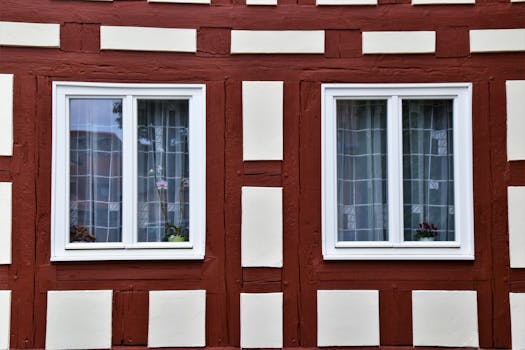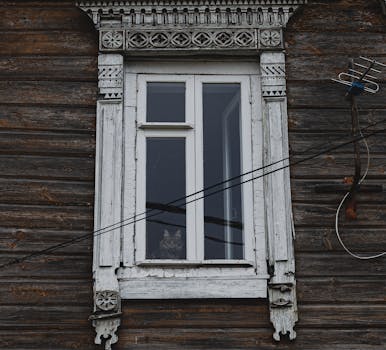
Timber sash windows embody a blend of elegance and practicality, making them a favored choice for many homeowners who value both aesthetics and durability. Let's delve deeper into what contributes to the longevity of these traditional yet timeless window designs.
The Quality of Wood
The lifespan of timber sash windows heavily relies on the type of wood used. Hardwoods like oak, mahogany, and teak stand out for their durability. These woods are naturally resistant to rot and decay due to their high density, which is crucial for withstanding various weather conditions. Conversely, softer woods such as pine, while cost-effective, may require more upkeep due to their susceptibility to damage.
.png)
Craftsmanship and Construction
The construction quality of timber sash windows is paramount. Expertly crafted joints and meticulous assembly significantly enhance the window's durability. High-quality craftsmanship not only adds to the visual appeal but also ensures the structural integrity of the windows, allowing them to withstand both daily use and environmental stresses over extended periods.
Maintenance Practices
To extend the life of timber sash windows, consistent maintenance is essential. Protective measures such as painting or staining the wood help shield it from moisture and the sun’s UV rays. It's also crucial to promptly seal any cracks or gaps to prevent water from seeping in and causing decay. Regular lubrication of the window’s moving parts will minimize wear and tear, preserving its functionality and appearance.
Environmental Conditions
The surrounding environment plays a significant role in determining the longevity of timber sash windows. Windows facing severe weather conditions, such as excessive rainfall, high humidity, or extreme temperatures, are more prone to deterioration. Opting for timber that suits the local climate can mitigate these effects and enhance the window's durability.
Advancements in Treatment and Technology
Modern developments in wood treatment and technology have greatly improved the durability of timber sash windows. Wood preservatives can prevent damage from fungi and insects, while advanced sealants and finishes offer better protection against the elements. These innovations contribute to the longevity of the windows, reducing the need for frequent replacements.
Conclusion
Timber sash windows are indeed a viable and lasting option for homeowners looking to combine functionality with aesthetic appeal. Choosing the right type of wood, ensuring expert craftsmanship, and adhering to regular maintenance can dramatically increase the lifespan of these windows. Despite the required upkeep, the timeless charm and resilience of timber sash windows make them a valuable investment for any home. Considering all these factors will help homeowners enjoy beautiful and durable windows for years to come.