Sash windows are an iconic feature of period architecture, instantly recognizable by their elegant proportions and sliding design. Their history stretches back over three centuries, shaping the character and aesthetic of countless historic buildings across Britain and beyond. But their influence runs far deeper than just visual appeal. From their role in the evolution of architectural styles to their impact on ventilation, urban planning, and cultural heritage, sash windows have left an indelible mark on the built environment. In this article, we explore the profound impact of sash windows on period architecture, examining their origins, technological innovations, influence on social history, and enduring legacy.
The Origins of Sash Windows and Their Architectural Significance
The development of sash windows in the late 17th century marked a turning point in British architectural design. Unlike earlier casement windows, which opened on hinges, sash windows featured one or more movable panels (sashes) that could slide vertically, allowing for greater control over ventilation and light. Though the exact inventor is debated—some credit English inventor Robert Hooke, others suggest Dutch origins—the earliest recorded use of sash windows was in England around 1670.
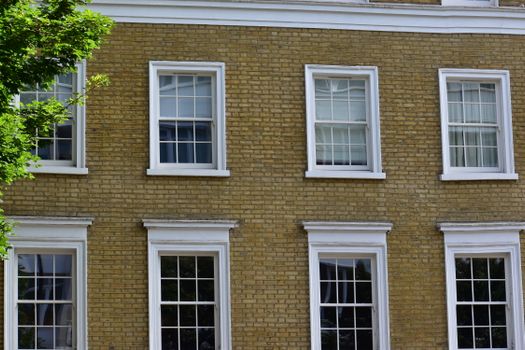
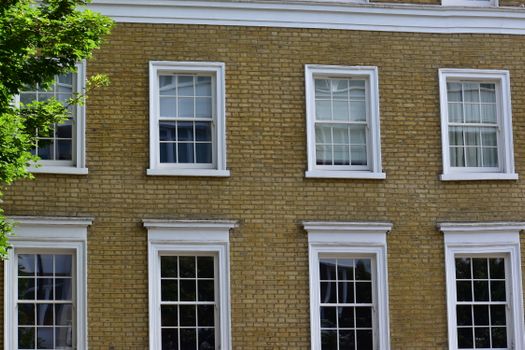
Their arrival coincided with the rise of the Georgian architectural style, which emphasized symmetry, proportion, and classical detailing. Sash windows fit perfectly into this aesthetic, with their evenly divided panes and slim, elegant frames. By the 18th century, they had become a hallmark of British architecture, gracing grand townhouses, rural manors, and public buildings alike.
.png)
The impact was significant: sash windows enabled architects to create buildings with larger, more regular window openings, enhancing both the internal light quality and the external appearance. In fact, by the mid-1700s, over 80% of new homes in London featured sash windows, according to historical building surveys.
Technological Innovations: Sash Windows and Building Performance
Beyond their visual appeal, sash windows represented a leap forward in building technology. Their design allowed for adjustable ventilation—a crucial feature in the days before modern heating and cooling systems. By opening both the top and bottom sashes, occupants could create a convection current, drawing cool air in from below and expelling warm air above. This natural ventilation system helped regulate indoor temperatures and improved air quality, particularly in densely populated urban areas.
The introduction of counterweight mechanisms, typically using lead or cast-iron weights attached to cords, made sash windows easy to operate, even in large or tall window openings. This was a marked improvement over earlier windows, which were often heavy and cumbersome.
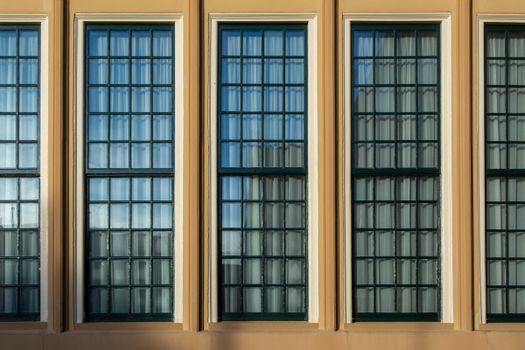
Glazing technology also advanced in tandem with sash window design. Early sash windows used small panes of glass, known as “lights,” because large sheets of glass were difficult to produce. As glassmaking improved through the 18th and 19th centuries, the number of panes per sash decreased, resulting in the familiar “six-over-six” or “two-over-two” configurations seen in Georgian and Victorian homes.
Sash Windows and Social History: Reflecting Status and Urban Development
Sash windows did more than just let in light; they became a marker of social status and urban sophistication. In Georgian London, for example, the size and number of sash windows in a home were seen as indicators of wealth and taste. This was partly due to the 1696 window tax, which levied charges based on the number of windows in a property. As a result, homeowners often showcased their prosperity by including as many sash windows as possible in the façade.
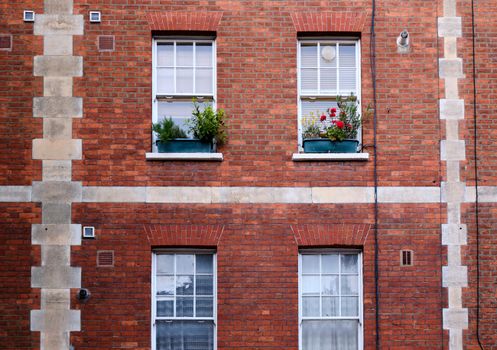
Moreover, sash windows played a pivotal role in the development of terraced housing, which became the dominant urban housing form in British cities from the late 17th century onwards. Their ability to fit flush within brickwork allowed for uniform, elegant street frontages, transforming the appearance of entire neighborhoods.
A fascinating example is the city of Bath, where over 90% of historic homes feature original or restored sash windows. The uniformity and elegance of these glazed facades contribute to Bath’s UNESCO World Heritage status and underscore the profound impact of sash windows on urban aesthetics.
Comparing Sash Windows to Other Period Window Styles
To better understand the distinct impact of sash windows, it's instructive to compare them with other common window styles from the same era, such as casement and fixed windows. Here’s a breakdown of their key differences:
| Feature | Sash Windows | Casement Windows | Fixed Windows |
|---|---|---|---|
| Opening Mechanism | Slides vertically (sometimes horizontally) | Opens outward on hinges | Non-opening, fixed glass panes |
| Ventilation Control | Excellent, can open top and bottom for convection | Good, opens fully but less control over airflow direction | None |
| Aesthetic Impact | Slim, elegant, supports symmetry in facades | Chunkier frames, less suited to symmetrical designs | Large, uninterrupted views but flat appearance |
| Period Popularity | Dominant in Georgian, Regency, Victorian periods | Popular in medieval, Tudor, and some 20th-century designs | Mostly used for decorative or feature windows |
| Historic Value | High; contributes to listed building status | Medium; less associated with urban elegance | Low; rarely a defining feature |
This comparison highlights why sash windows became so synonymous with period architecture: they offered a combination of aesthetic refinement, practical benefits, and adaptability unmatched by other designs.
Restoration, Conservation, and the Challenge of Sash Window Preservation
Preserving original sash windows is a priority for conservationists and heritage architects. According to Historic England, original timber sash windows can last over 200 years if properly maintained—far longer than many modern replacements. Yet, the pressures of urban development, changing building regulations, and the lure of double-glazing mean that thousands of historic sash windows have been lost or unsympathetically replaced.
Restoration efforts focus on retaining as much of the original fabric as possible. Techniques include splicing in new timber, replacing cords and weights, and upgrading glazing with discreet secondary solutions. In Bath, for example, the local council estimates that over 75% of sash windows in listed buildings have been successfully restored rather than replaced, preserving the historic character of the city’s streetscapes.
There’s also a growing appreciation for the environmental benefits of restoration over replacement. A study by the Building Research Establishment found that repairing timber sash windows generates up to 60% less carbon emissions over 40 years compared to installing new PVCu windows.
Sash Windows’ Enduring Legacy in Modern Architecture
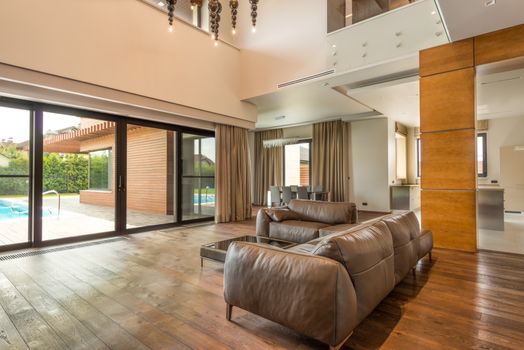
While their heyday was in the Georgian and Victorian eras, sash windows continue to influence contemporary design. Modern architects often incorporate sash-style windows in new builds to evoke a sense of tradition and elegance. Advances in materials and manufacturing mean it’s now possible to combine the classic look of sash windows with the latest in thermal efficiency and security.
In London alone, over 5,000 period properties undergo sash window refurbishment or replacement each year, according to industry estimates. This demonstrates not only an ongoing demand for the style but also a recognition of their enduring contribution to architectural heritage.
Moreover, sash windows have inspired a resurgence of interest in handcrafted joinery and bespoke design. Specialist workshops across the UK now offer custom-made timber sash windows, blending traditional craftsmanship with modern performance standards.
Why Sash Windows Remain Integral to Period Architecture
Sash windows have shaped the face of period architecture in profound and lasting ways. They transformed the aesthetic language of British buildings, enabled new levels of comfort and ventilation, and became symbols of urban sophistication and heritage. From the grand terraces of Bath to the stately homes of London, their legacy is etched into the fabric of historic towns and cities.
Today, the preservation and sympathetic restoration of sash windows are pivotal to maintaining the authenticity and charm of period properties. Their influence even extends into contemporary architecture, proving that good design truly stands the test of time.