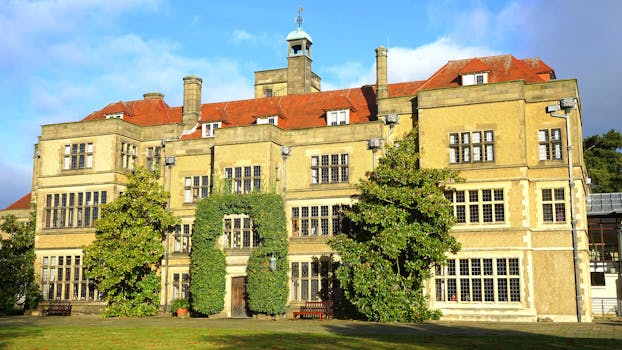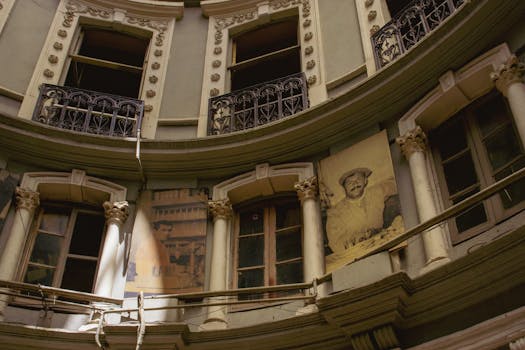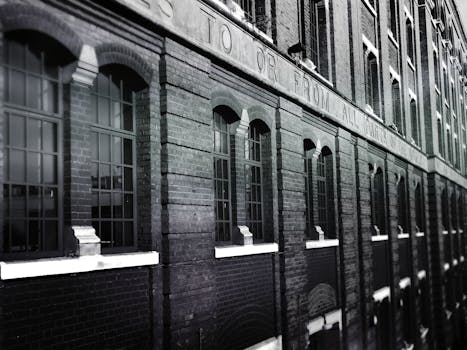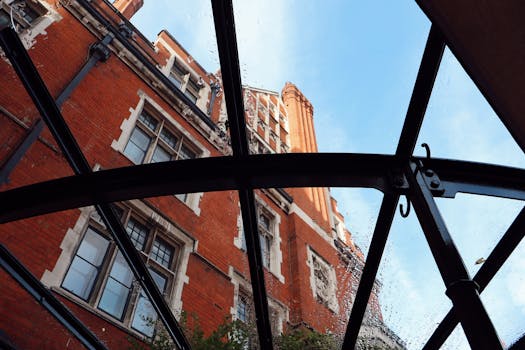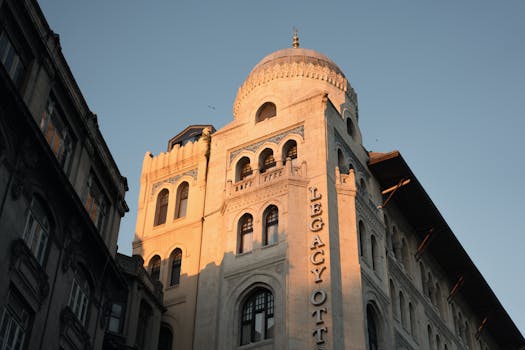
Heritage windows are a distinctive and cherished element of London’s architectural heritage, encapsulating the rich history and evolving design trends of this iconic city. Each window style from the Georgian, Victorian, and Edwardian eras tells a unique story, reflecting the technological advancements and aesthetic preferences of the time.
Georgian Windows: Elegance and Symmetry Georgian architecture, prevalent from 1714 to 1830, is celebrated for its symmetry and proportion. Georgian windows are typically designed with a six-over-six pane sash, facilitating maximum natural light penetration. These windows mirror the period’s adoration for balance and harmony, inspired by Roman and Greek architecture. Their design not only enhanced the building's aesthetic but also met the practical needs of an era without electric lighting.
Victorian Windows: Ornate and Grand The Victorian era (1837-1901) brought forth a more ornate architectural style. Victorian windows are often large, with elaborate sash designs allowing independent movement of upper and lower panes. This functionality provided effective ventilation and reflected the Victorian penchant for intricate and bold designs. The period was marked by a mix of Gothic revival and classical influences, making the windows not just functional elements but also significant decorative features.
.png)
Edwardian Windows: Understated Elegance Following the Victorian period, Edwardian architecture (1901-1910) favored lighter, airier designs with less ornamentation. Edwardian windows often feature a six-over-two pane sash arrangement, reflecting the era’s shift towards simpler, more understated elegance. Despite their simplicity, these windows maintained a sense of grandeur, aligning with the Edwardian taste for bright and airy homes.
Preserving Heritage Windows The preservation of heritage windows is crucial for maintaining the architectural integrity and historical value of London’s buildings. These windows are not merely aesthetic elements but are pivotal in reflecting the architectural history and cultural context of their times. Maintaining these windows involves meticulous restoration to preserve original features while updating them to meet contemporary standards of functionality and energy efficiency.
Challenges and Technological Advancements Maintaining the historical accuracy of heritage windows while ensuring they meet modern performance standards poses significant challenges. Restoration often requires expert craftsmanship and the use of period-appropriate materials. Advances in technology have facilitated the development of energy-efficient glazing that mimics historic glass, allowing for better insulation and UV protection without compromising the window's historical appearance.
Regulatory Support and Local Initiatives In London, conservation regulations and local heritage organizations play a vital role in preserving heritage windows. These entities provide guidelines and sometimes financial support for restoration projects, ensuring that any modifications or repairs uphold the building’s historical integrity.
Conclusion Heritage windows are more than just structural components of a building; they are an integral part of London’s historical and cultural narrative. Their preservation is essential for maintaining the city’s architectural heritage and ensuring that future generations can appreciate and learn from these historical elements. As London continues to evolve, the care and preservation of heritage windows remain a testament to the city’s respect for its past, blending historical preservation with modern living.