London’s cityscape is a living gallery of history, and nowhere is this more evident than in its elegant sash windows. From the stately Georgian terraces of Bloomsbury to the charming Victorian villas of Clapham, original sash windows are among the capital’s most cherished architectural features. Yet, as time and weather take their toll, these windows are often at risk—threatening the city’s unique character. Sash window restoration is not merely a matter of repair; it’s an act of preservation, safeguarding London’s architectural gems for future generations. In this article, we explore the art, science, and significance of restoring sash windows in London.
The Historic Significance of Sash Windows in London
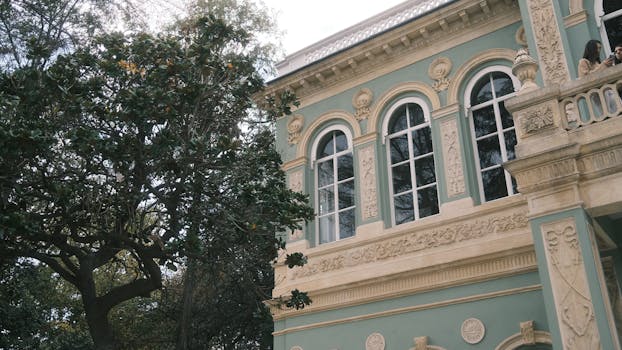
Sash windows have graced London’s buildings since the late 17th century, rising to prominence during the Georgian and Victorian eras. Their signature vertical sliding panels, typically divided into six or more panes, became a hallmark of British design. According to Historic England, over 75% of homes built in London before 1914 feature sash windows—a testament to their enduring popularity and functionality.
These windows are not just functional openings; they are integral to the architectural identity of entire neighbourhoods. The “six over six” or “eight over eight” arrangements, slender glazing bars, and hand-crafted joinery reflect the craftsmanship and aesthetic priorities of their time. In conservation areas, original sash windows are often protected by local planning laws, recognising their contribution to London's heritage.
.png)
But age brings challenges: wood decay, rattling frames, draughts, and stuck sashes are common. Left unchecked, these issues can lead to irreversible damage or even the loss of original features. This is where sensitive restoration becomes crucial.
Why Restore Rather Than Replace?
In a city where history and modernity intertwine, homeowners and building custodians often face a dilemma: should they replace old sash windows with modern equivalents, or invest in restoration? The answer lies in understanding the true value of what’s at stake.
Restoration preserves the unique character and craftsmanship of period properties. Unlike contemporary windows, original sashes are typically made from slow-grown pine or oak—timbers that are denser and more durable than most modern softwoods. According to a 2022 study by the Society for the Protection of Ancient Buildings (SPAB), well-maintained sash windows can last over 150 years, compared to an average lifespan of 25-30 years for many modern uPVC replacements.
There are environmental benefits, too. Restoring instead of replacing reduces landfill waste and conserves embodied carbon—the total energy used in the original manufacture and installation of the windows. A report by Historic Environment Scotland found that restoring a single timber sash window emits around 80% less CO2 than installing a new replacement.
Furthermore, many of London’s period homes are listed or located in conservation areas, where planning regulations either restrict or prohibit the use of non-traditional materials. Restoration is not only the most sympathetic approach, but often the only legally compliant option.
The Restoration Process: Step by Step
Sash window restoration is a meticulous craft, blending traditional carpentry with modern conservation techniques. The process typically involves several stages:
1. $1 Every restoration begins with a thorough inspection. Specialists identify issues such as rotten timber, failed joints, broken glass, or worn-out hardware. Photographs and notes are taken to document the original features and construction methods. 2. $1 The sashes are gently removed from the frame, taking care not to damage surrounding plaster or decorative mouldings. Weights, cords, and pulleys are labelled for accurate reassembly. 3. $1 Decayed or damaged timber is repaired using like-for-like materials. Techniques such as “splicing” allow craftsmen to replace only the affected sections, preserving as much original wood as possible. High-quality, seasoned timber ensures durability. 4. $1 Historic glass, with its subtle ripples and imperfections, is highly prized. Where possible, original panes are retained. If replacement is necessary, restoration glass that matches the old appearance is used. 5. $1 Modern draught-proofing systems are discreetly installed, improving energy efficiency without altering the window’s appearance. This can reduce heat loss by up to 30%, according to the Energy Saving Trust. 6. $1 Sash windows are primed and painted with breathable paints, allowing the timber to expand and contract with the seasons. Traditional colour palettes may be selected to match the building’s era. 7. $1 The restored sashes are refitted, new cords and weights are adjusted for smooth operation, and hardware such as locks and catches are restored or replaced in keeping with the original style.This careful process ensures that the window functions as intended—both as a practical feature and as a piece of architectural history.
Common Restoration Challenges and Solutions
Restoring sash windows in London presents unique challenges, from city-specific weathering to the complexity of listed building regulations. Here are some of the most common issues—and how skilled professionals address them:
- $1 London’s damp climate means that exposed horizontal surfaces are especially prone to rot. Precision splicing and the use of rot-resistant hardwoods can extend the lifespan of these vulnerable areas. - $1 Multiple layers of old paint can cause sashes to jam. Careful stripping and rebalancing restore smooth operation. - $1 Period-appropriate fittings (such as brass sash lifts or traditional “fitch” fasteners) are sourced or custom-made to preserve the window’s historic appearance. - $1 Secondary glazing or slim-profile double glazing can sometimes be installed within the existing frames, enhancing comfort while retaining original features. - $1 Skilled restorers liaise with local authorities to ensure all work meets legal requirements, particularly in conservation areas where even minor alterations require approval.Restoration vs. Replacement: Cost and Value Comparison
The financial aspect of sash window restoration is often a major consideration for homeowners. While restoration requires an upfront investment, it is frequently more cost-effective in the long run, especially when considering the value added to a period property.
Below is a comparison of typical costs and benefits involved in restoration versus replacement of sash windows in London:
| Aspect | Restoration | Replacement (uPVC) | Replacement (Timber) |
|---|---|---|---|
| Average Cost per Window (London, 2024) | £500 - £1,000 | £800 - £1,200 | £1,200 - £2,000 |
| Expected Lifespan | 50-100+ years | 25-30 years | 30-50 years |
| Planning Permission Needed? | Usually not (if like-for-like) | Often required in conservation areas | Often required in conservation areas |
| Impact on Property Value | Preserves or increases | Can decrease (loss of character) | Varies |
| Environmental Impact | Low (minimal waste, lower CO2) | High (manufacturing/landfill) | Moderate |
As seen in the table, restoration is often the most sustainable and value-retaining choice, especially for London’s historic homes.
Case Study: Reviving a Georgian Townhouse in Islington
To illustrate the impact of sash window restoration, consider a real-life project from Islington. The owners of a Grade II-listed Georgian townhouse faced severe draughts, rattling panes, and visible rot in their original sashes. Rather than replace them, they worked with a specialist restoration firm.
Over six weeks, each window was carefully removed, repaired, and draught-proofed. Historic glass was retained wherever possible, with conservation-grade putty and traditional paints used throughout. The result? Not only were the windows restored to their original splendour, but the home’s energy use dropped by an estimated 15% over the following winter, thanks to improved insulation.
Perhaps most importantly, the owners retained the authentic charm that made their property unique. As one commented, “Restoring our sash windows was like giving our home its soul back—something no replacement could achieve.”
Choosing the Right Restoration Specialist
The success of any sash window restoration project depends heavily on the choice of contractor. Here are some key factors to consider:
- $1 Seek specialists with a proven track record working on Georgian, Victorian, or Edwardian sash windows. - $1 Restoration in London often means navigating complex planning laws. Choose professionals who are familiar with local authority requirements. - $1 Ask about the timbers, paints, and repair techniques used. The best restorers use traditional methods and materials that match the originals. - $1 Reputable companies will have case studies and client testimonials—ask to see examples of previous work. - $1 Look for firms offering warranties on repairs and ongoing maintenance support.Investing in the right expertise not only protects your property, but also ensures your windows will endure for generations.
Conclusion
Sash window restoration is far more than a cosmetic upgrade—it is a vital act of stewardship, preserving London’s architectural heritage for the future. By choosing restoration over replacement, property owners maintain the authenticity, value, and environmental integrity of their homes. With skilled craftsmanship and a commitment to tradition, London’s sash windows can continue to tell the city’s story for centuries to come.