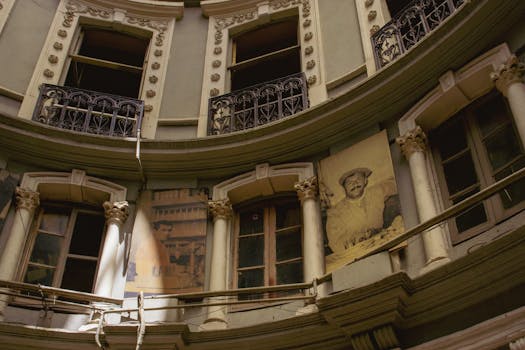
The Vital Role of Heritage Windows in Architectural Conservation
Heritage windows are pivotal in preserving the architectural integrity and historical essence of buildings from bygone eras. These windows not only elevate the visual charm of a structure but are also critical in maintaining its historical authenticity and cultural depth. This article delves into the significance of heritage windows and highlights effective strategies for their preservation and upkeep.
Historical Importance of Heritage Windows
.png)
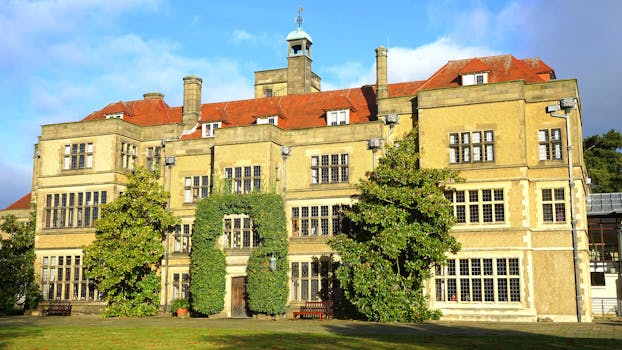
Heritage windows are commonly found in buildings deemed historically significant, such as those from the Victorian, Edwardian, or colonial periods. These windows are distinguished by their distinctive styles, shapes, and materials, which are seldom seen in contemporary architecture. The conservation of these windows is crucial as they provide insight into the architectural techniques and aesthetic choices of historical periods.
The primary aim of preserving heritage windows is to uphold the historical integrity of a building. Windows are key elements that strongly influence the overall look of a structure. By maintaining original windows, we preserve a physical link to history, enabling future generations to both appreciate and learn from it. This is especially important in historic districts or buildings that are part of heritage sites.
Challenges in Preserving Heritage Windows
Preserving heritage windows comes with its challenges, primarily due to the deterioration of materials over time. Wood, often used in heritage window frames, is prone to rot, insect damage, and weathering. Additionally, the glass in these windows can become fragile and prone to breaking. Addressing these issues requires regular maintenance and meticulous restoration.
Restoration Techniques
The restoration process begins with a detailed assessment of the windows' condition, identifying any signs of damage such as cracks, rot, or warping. Subsequent steps may involve cleaning, repairing, or replacing damaged parts, always striving to match the original materials and techniques to preserve authenticity.
Enhancing Energy Efficiency
Improving the energy efficiency of heritage windows is another challenge, as many older windows are not designed to modern energy standards, which can lead to increased heating and cooling expenses. However, outright replacing these windows with modern units can undermine a building's historical value. Solutions like secondary glazing or specialized window films can enhance energy efficiency while keeping the original windows intact.
Navigating Regulations and Funding
Preserving heritage windows also involves navigating regulatory and financial landscapes. Many regions have specific laws and regulations concerning the modification and restoration of historical buildings, which can be complex and require specialized knowledge in heritage conservation. Moreover, although the restoration of heritage windows can be costly, financial aid in the form of grants and subsidies is often available from governments or heritage organizations to help manage these expenses.
Cultural Significance
The preservation of heritage windows transcends mere architectural upkeep; it is about honoring and safeguarding the cultural heritage these windows embody. Each window narrates the story of its creators, the construction techniques employed, and the era it originates from. By conserving these windows, we keep these narratives alive, ensuring they remain a vibrant part of our built heritage.
Conclusion
Heritage windows are integral components of our architectural history. They not only enhance the beauty of our buildings but also serve as conduits to the past, embedding history and culture into our contemporary environment. Preserving these windows demands a balanced approach of restoration and modernization, ensuring their continued relevance and functionality in our landscapes. With appropriate methods and resources, we can protect these invaluable historical elements for the enjoyment and education of future generations.