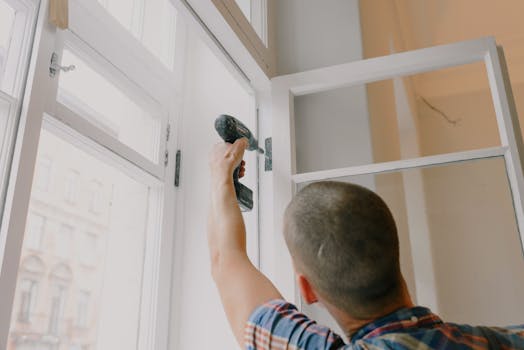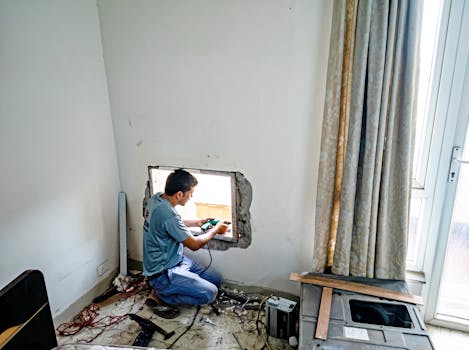
Installing sash windows not only enhances the aesthetic of your home but also improves its functionality. Whether you're updating old windows or installing new ones during a renovation, knowing the installation process is crucial for a successful outcome. This guide provides a detailed walkthrough for installing sash windows, equipping you with the knowledge to either undertake this task yourself or better understand the process when engaging professionals.
Step 1: Preparation and Measurements
Preparation: Clear the work area around the window to avoid any obstructions. This includes removing existing window treatments and moving any furniture.
.png)
Measurements: Measure the width and height of the window opening from different points to ensure accuracy. Repeat each measurement at least three times. Accurate dimensions are critical for ordering sash windows that will fit perfectly.
Step 2: Choosing Your Sash Windows
Material Choices: Decide between wood, vinyl, or aluminum. Wood offers a classic look but requires maintenance, while vinyl and aluminum are durable with minimal upkeep.
Efficiency and Compliance: Opt for windows with high energy efficiency ratings and that comply with local building codes, considering both insulation properties and glass type.
Step 3: Removing Old Windows
If replacing an existing window, carefully dismantle it to avoid damage to the surrounding structures. Remove any trims and gently pry the frame from the wall. Always wear safety gear like gloves and goggles to protect against debris.
Step 4: Preparing the Opening
Inspect the cleared opening for damage. Repair any imperfections in the walls or frame to ensure a flat, stable mounting surface. This may include sanding, applying plaster, or caulking.
Step 5: Installing the New Sash Window
Position the new window in the opening, ensuring it is centered and level. Adjust with shims and secure with screws or nails, taking care not to warp the frame by overtightening.
Step 6: Sealing and Waterproofing
Examine the installed window for gaps. Seal any found with caulk to ensure the installation is airtight and waterproof, enhancing the window's energy efficiency and durability against moisture.
Step 7: Reinstalling Trim and Finishing Touches
Attach trim around the new window, fill nail holes, and sand as needed. Apply paint or stain to match the surrounding area. Allow sufficient drying time before full use.
Step 8: Maintenance
Maintain the longevity and appearance of your sash windows through regular cleaning and inspections. Lubricate moving parts as needed and periodically repaint or reseal frames to protect them from the elements.
Conclusion
Installing sash windows is a valuable enhancement to your home, improving both function and aesthetic. By following these steps, you ensure that the installation is performed correctly and efficiently. Whether undertaking this project yourself or hiring professionals, having a clear understanding of the process helps in making informed decisions for optimal results.