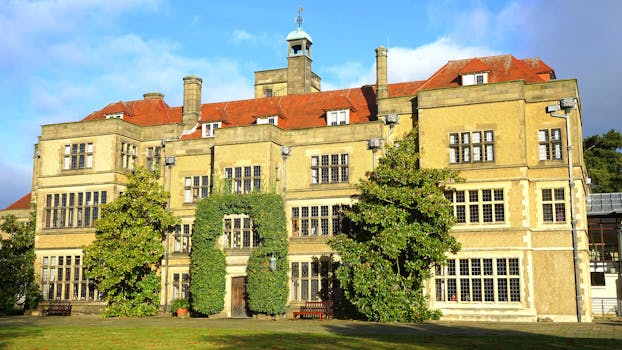
Maintaining the historic beauty of listed building windows is essential for preserving both their aesthetic appeal and their architectural heritage. Listed buildings are protected because they are of national importance, often due to their historic, architectural, or cultural significance. This makes the task of maintaining or restoring their windows both crucial and challenging.
Understanding the Importance of Listed Building Windows
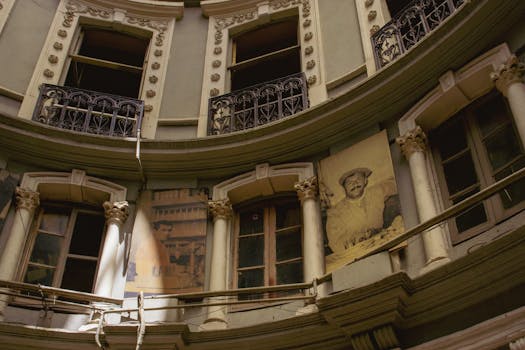
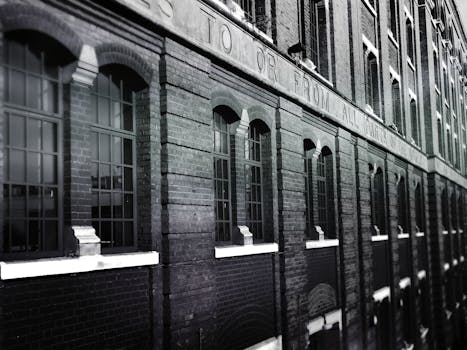
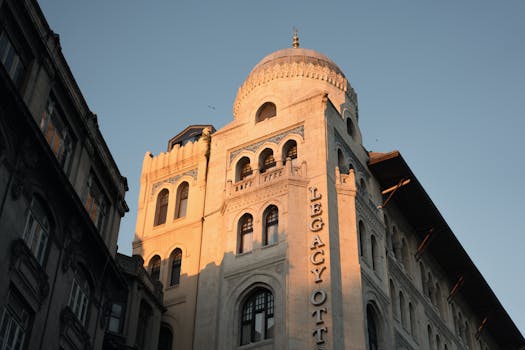
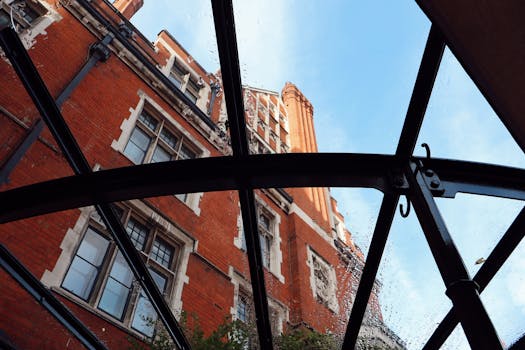
Windows in listed buildings are often distinctive features that significantly contribute to the character and appearance of the property. They may be made from a variety of materials, including wood, metal, and leaded glass, and can feature styles such as sash, casement, or stained glass. Each type of window not only enhances the visual appeal of the building but also serves as a testament to the architectural practices and aesthetic preferences of the period in which the building was constructed.
.png)
The Challenges of Maintaining Historic Windows
One of the primary challenges in maintaining windows in listed buildings is ensuring that any repair or restoration work is in line with the building's historical integrity. This often involves using traditional materials and techniques that were originally used in the building's construction. While modern materials and methods can sometimes be used, they must closely match the original in appearance and function and typically require approval from heritage conservation authorities.
Additionally, dealing with the wear and tear that these windows have endured over decades or even centuries is a common challenge. Issues such as wood rot, rust, and deterioration of lead cames in stained glass windows require specialized knowledge to address properly without compromising the window's structural or aesthetic integrity.
Best Practices for Maintaining and Restoring Historic Windows
- Regular Inspection and Maintenance: Regularly inspecting the windows for signs of damage or deterioration can help catch problems early before they become more serious and expensive to fix. Simple maintenance tasks like cleaning the windows, clearing debris from window frames, and checking for drafts can also go a long way in preserving their condition.
- Use of Appropriate Materials: When repairs are necessary, it is crucial to use materials that match or closely resemble the original materials used in the windows. For wooden windows, this might mean sourcing old-growth wood that matches the original wood type and grain pattern. For metal windows, this could involve using the same type of metal or an alloy that ages in a similar way.
- Skilled Craftsmanship: Due to the intricate and often delicate nature of historic windows, it is important to hire professionals who specialize in historic preservation and have experience working with listed buildings. These craftsmen will have the skills necessary to restore the windows accurately and sympathetically, respecting their historical significance.
- Seeking Approval for Changes: In many jurisdictions, any work on a listed building, including its windows, requires approval from a heritage conservation authority. This process ensures that the proposed work is in line with national standards for historic preservation. Obtaining the necessary approvals can prevent legal issues and ensure that the work contributes positively to the building's long-term preservation.
- Energy Efficiency Considerations: One common concern with historic windows is their energy efficiency, or lack thereof. While it's important to preserve the original glass and frames where possible, there are ways to improve their energy performance without compromising their historic value. Secondary glazing, for instance, can provide additional insulation without altering the existing windows.
Conclusion
Maintaining the windows of listed buildings is a delicate balance between preservation and practicality. It requires a deep understanding of the materials and techniques originally used, as well as a commitment to preserving the building’s historical integrity. By adhering to best practices for maintenance and restoration, property owners can ensure that these beautiful windows continue to contribute to the building's character and charm for years to come.