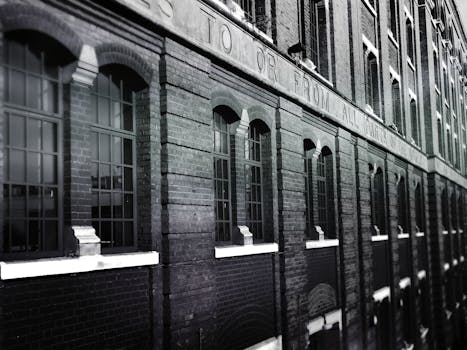
Heritage Windows: Connecting the Past and Present
Preserving the beauty and character of historic buildings is an art that requires careful attention to detail and respect for original craftsmanship. Among the most distinctive features of heritage buildings are their windows—elements that don’t just let in light, but also tell stories of architectural trends, local traditions, and evolving technologies. In this article, we explore how heritage windows bridge the past and present, offering both aesthetic charm and modern functionality. From restoration techniques to the latest innovations in replication, discover why heritage windows matter and how they keep history alive in our built environment.
The Significance of Heritage Windows
Heritage windows are more than just architectural features; they are living records of bygone eras. Often handcrafted from locally sourced timber or metal, these windows reflect the design philosophies, materials, and building technologies of their time. For example, sash windows—originating in the 17th century—became an iconic feature in Georgian and Victorian homes across the UK and parts of North America. According to Historic England, over 80% of homes built before 1919 still retain at least some original window features.
Preserving heritage windows is vital for several reasons: - $1: They embody the craftsmanship and artistic sensibilities of their period. - $1: Original windows maintain the visual harmony of historical facades. - $1: Repairing and upgrading old windows is often more sustainable than full replacement.In many regions, heritage windows are protected by law. For instance, in the UK, listed buildings require special permission for any significant alterations, including window replacements. In the US, the National Park Service’s Standards for Rehabilitation guide property owners on how to preserve historic windows in official historic districts.
.png)
Restoration vs. Replacement: Making the Right Choice
When it comes to caring for heritage windows, property owners often face a crucial decision: restore or replace? Restoration aims to retain as much of the original material and appearance as possible, while replacement may be necessary when windows are too deteriorated or when energy performance needs to be improved.
According to a 2021 study by the Building Conservation Directory, restoring a traditional sash window can cost between $800 and $1,200 per window, depending on the extent of repairs required. In comparison, installing high-quality replica windows might range from $1,000 to $2,500 per window. However, restoration preserves more of the original character and can often be more cost-effective over the building’s lifetime.
The table below compares the main considerations:
| Aspect | Restoration | Replacement |
|---|---|---|
| Cost (per window) | $800–$1,200 | $1,000–$2,500 |
| Original Material Retained | High | Low to None |
| Historic Authenticity | Preserved | Potentially Lost |
| Energy Efficiency | Can be improved | Varies (modern standards) |
| Legal Permission Needed | Yes (for listed buildings) | Yes (for listed buildings) |
Ultimately, the decision depends on the window’s condition, the building’s significance, and local regulations. In most cases, experts recommend restoration as the first option, with sensitive replacement reserved for windows beyond repair.
Modern Innovations in Heritage Window Technology
One of the key challenges with heritage windows is balancing historical authenticity with the demands of modern living. Draughts, poor insulation, and single glazing can make old windows less efficient by today’s standards. However, advances in materials and techniques now allow homeowners to enjoy the best of both worlds.
Some cutting-edge solutions include: - $1: These ultra-thin units (as slim as 12mm) can fit within traditional window frames, offering improved thermal efficiency while maintaining the appearance of single glazing. - $1: This method involves fitting an additional pane of glass on the inside of the original window. It can reduce heat loss by up to 60% and noise by as much as 80%, according to the UK’s Energy Saving Trust. - $1: Modern systems can be discreetly incorporated into existing frames, improving air circulation without compromising looks.Manufacturers increasingly offer bespoke solutions tailored to heritage properties, using timber from certified sustainable sources and finishes that match traditional colors and profiles. For example, Accoya wood is now a popular choice for replica windows, boasting a lifespan of 50 years above ground and excellent resistance to rot.
Case Studies: Heritage Windows in Action
Across the globe, successful heritage window projects demonstrate the value of skilled restoration and sensitive innovation. Here are a few notable examples:
- $1: Home to the UK Parliament, this UNESCO World Heritage Site underwent a major window restoration project between 2017 and 2022. Over 3,800 historic windows, some dating back to the 19th century, were carefully restored with slimline double glazing, significantly improving energy performance without altering the Grade I-listed façade. - $1: This iconic American landmark, built in 1729, features windows that have been restored multiple times. Using traditional joinery and modern weatherproofing, the building now maintains its historical integrity while providing improved comfort for visitors. - $1: In 2020, a listed Georgian townhouse received new heritage-style sash windows with modern draught-proofing and laminated glass, reducing heat loss by 45% compared to the original single glazing.These examples highlight that, with the right expertise, heritage windows can meet contemporary needs while preserving architectural heritage for future generations.
Regulations and Best Practices for Heritage Windows
Property owners and renovators must navigate a complex landscape of regulations when working with heritage windows. In many countries, listed building consent or planning permission is required before any work can begin. Failure to adhere to these rules can result in significant fines or even criminal charges.
Key guidelines include: - $1: Before any intervention, a detailed survey of existing windows is essential. This includes photographing, measuring, and documenting all features. - $1: The principle of repairing rather than replacing wherever possible is enshrined in many heritage guidelines. - $1: Repairs should use materials and methods compatible with the original construction to avoid damaging surrounding fabric. - $1: Engaging craftsmen and contractors with experience in heritage work ensures compliance and quality results.Organizations such as the Society for the Protection of Ancient Buildings (SPAB) in the UK and the National Trust for Historic Preservation in the US offer resources and directories of accredited professionals to assist owners and architects.
Environmental and Economic Benefits of Heritage Window Conservation
Beyond aesthetics and history, maintaining heritage windows offers tangible benefits for the environment and the economy. According to a report by the Green Building Alliance, restoring original timber windows has a lower carbon footprint than replacing them with new units, even when factoring in energy savings from modern glazing. This is because manufacturing new windows, especially from PVC or aluminum, involves significant embodied energy and emissions.
Retrofitting heritage windows with draught-proofing and secondary glazing can reduce household energy consumption by up to 15%, according to a 2020 study by Historic Environment Scotland. This translates into lower utility bills and increased property value. In fact, research from the UK’s Historic Houses Association found that homes with traditional features, including original windows, can command a price premium of 5-10% over comparable properties with modern replacements.
Furthermore, window restoration supports skilled local jobs in joinery, glazing, and conservation—industries that help sustain traditional crafts and contribute to the local economy.
Conclusion: Heritage Windows as Living Legacies
Heritage windows are more than just architectural details—they are tangible connections to the past, embodying the stories, skills, and aspirations of earlier generations. Through careful restoration and thoughtful integration of modern technologies, it is possible to honor these legacies while ensuring comfort, efficiency, and sustainability for today’s occupants. Whether you are a homeowner, architect, or heritage professional, investing in the conservation of heritage windows is an investment in culture, community, and the future of our shared built environment.