Energy Savings from High-Quality Sash Windows: A Smart Investment for Modern Homes
When considering home improvements that provide both aesthetic appeal and practical benefits, high-quality sash windows stand out as a timeless solution. Beyond their classic elegance and heritage value, these windows offer remarkable potential for energy savings—a topic increasingly important as energy costs soar and homeowners seek sustainable living solutions. This article explores how investing in high-quality sash windows can lead to substantial energy savings, delves into the technology behind their efficiency, and compares the performance of various options, ensuring you make an informed choice for your home.
The Science Behind Sash Window Energy Performance
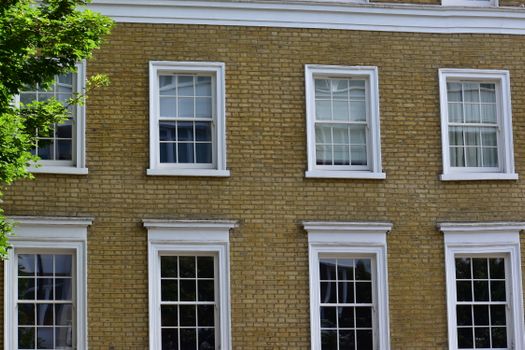
Sash windows, traditionally found in Georgian, Victorian, and Edwardian homes, are characterized by their vertically sliding panels. While original single-glazed sash windows were charming, they often lacked thermal efficiency. Modern high-quality sash windows, however, incorporate advanced materials and construction techniques that significantly improve insulation.
The primary mechanisms by which high-quality sash windows save energy include:
.png) - $1 Multi-pane glass units dramatically reduce heat transfer compared to single glazing. According to the UK Department for Business, Energy & Industrial Strategy, double-glazed windows can reduce heat loss by up to 54% compared to single-glazed units.
- $1 Many premium sash windows feature low-emissivity (Low-E) glass, which reflects heat back into the room while allowing natural light to pass through, maintaining comfort and reducing the need for artificial heating.
- $1 Modern sash windows use engineered timber, uPVC, or composite materials with thermal breaks, further minimizing energy loss through the frame.
- $1 Advanced sealing systems prevent draughts, one of the leading sources of heat loss in older sash windows.
- $1 Multi-pane glass units dramatically reduce heat transfer compared to single glazing. According to the UK Department for Business, Energy & Industrial Strategy, double-glazed windows can reduce heat loss by up to 54% compared to single-glazed units.
- $1 Many premium sash windows feature low-emissivity (Low-E) glass, which reflects heat back into the room while allowing natural light to pass through, maintaining comfort and reducing the need for artificial heating.
- $1 Modern sash windows use engineered timber, uPVC, or composite materials with thermal breaks, further minimizing energy loss through the frame.
- $1 Advanced sealing systems prevent draughts, one of the leading sources of heat loss in older sash windows.
By addressing traditional inefficiencies, high-quality sash windows can achieve U-values (a measure of heat transfer) as low as 1.2 W/m²K, compared to 4.8 W/m²K in old single-glazed timber sash windows.
Quantifying the Energy Savings: Real-World Impact
Upgrading to high-quality sash windows is not just a matter of comfort—it’s a financial decision with measurable returns. The Energy Saving Trust estimates that replacing all single-glazed windows in a typical semi-detached house with A-rated double-glazed units can save up to £155 per year on energy bills. Over a 20-year period, that’s a potential saving of £3,100, not accounting for future rises in energy prices.
Let’s examine a typical scenario:
- A Victorian-era London home with ten sash windows, each measuring 1.2m x 1.5m. - Original single-glazed sash windows replaced with high-quality, double-glazed timber sash windows. - Estimated heat loss reduction: 50-60%. - Annual energy savings: £125-£200, depending on heating type and usage. - Carbon emissions reduction: Around 330kg CO₂ per year per household (source: Energy Saving Trust).These figures illustrate not only the potential for lower energy bills but also the environmental benefits of reduced carbon emissions—a key consideration in the era of climate change.
Sash Window Technologies: What Makes Them Energy Efficient?
Not all sash windows are created equal. The energy performance of sash windows depends on several critical features:
- $1 Double glazing is now standard, but triple glazing offers even greater insulation, especially valuable in colder climates. Argon or krypton gas fills between panes further reduce conductive heat transfer. - $1 Engineered timber provides a natural insulating barrier, while modern uPVC and composite frames can outperform traditional hardwoods in durability and energy efficiency. - $1 Warm-edge spacers between glass panes reduce thermal bridging, minimizing heat loss at the window’s edges. - $1 High-performance weather seals and sash brush strips block air infiltration, a common problem with older sash windows. - $1 Modern spring or spiral balances allow tighter closures than traditional cord-and-weight designs, improving both usability and airtightness.It’s worth noting that some manufacturers now offer vacuum-insulated glazing for sash windows, achieving U-values as low as 0.7 W/m²K—comparable to solid wall insulation.
Comparing Sash Window Options: A Data Overview
Choosing the right sash window depends on balancing energy efficiency, initial cost, maintenance, and aesthetics. Here’s a comparative overview of common sash window options:
| Type | Glazing | U-value (W/m²K) | Average Cost per Window (£) | Estimated Annual Energy Saving (£) | Maintenance |
|---|---|---|---|---|---|
| Single-glazed Timber | Single | 4.8 | 600-800 | 0 | High (repainting, repairs) |
| Double-glazed Timber | Double | 1.4-1.5 | 900-1,200 | 125-200 | Medium (occasional painting) |
| Double-glazed uPVC | Double | 1.2-1.4 | 500-900 | 125-200 | Low (wipe clean) |
| Triple-glazed Composite | Triple | 0.9-1.1 | 1,200-1,600 | 150-220 | Low |
| Vacuum-glazed Timber | Vacuum | 0.7-0.8 | 1,500-2,000 | 170-240 | Medium |
As the table indicates, the initial investment for high-performance sash windows is higher, but the long-term energy savings and reduced heating bills make them a smart financial choice over time.
Enhancing Energy Savings: Installation and Maintenance Tips
Even the best sash windows underperform if poorly installed or neglected. To maximize energy savings:
- $1 Correct fitting is crucial for airtightness. Always use experienced installers who specialize in sash windows. - $1 Keep tracks clean and seals in good condition to prevent draughts. For timber windows, periodic painting prevents rot and warping. - $1 For listed buildings or conservation areas where double glazing is not permitted, secondary glazing can be retrofitted to existing sash windows, providing up to 60% of the energy savings of full window replacement. - $1 Simple upgrades like brush strips, weather bars, and perimeter seals can cut heat loss by up to 15% in older sash windows.The National Trust’s pilot projects found that well-executed draught-proofing of historic sash windows reduced heat loss by 33%, a testament to the value of combining restoration with modern weatherproofing.
Beyond Energy Savings: Additional Benefits of High-Quality Sash Windows
While energy savings are a compelling reason to invest in high-quality sash windows, there are additional advantages worth considering:
- $1 Double or triple glazing significantly reduces outside noise, ideal for urban environments. - $1 Modern sash windows feature multi-point locking systems and toughened glass, offering greater protection than older designs. - $1 According to a 2022 survey by the Royal Institution of Chartered Surveyors (RICS), homes with upgraded, energy-efficient windows enjoy an average 10% boost in resale value. - $1 High-quality sash windows can be sympathetically designed to match period properties, preserving architectural integrity while enhancing comfort.These added benefits further justify the investment, ensuring that your home remains both beautiful and functional for years to come.
Final Thoughts on Energy Savings from High-Quality Sash Windows
High-quality sash windows represent a rare convergence of tradition and technology, offering homeowners the chance to enjoy classic beauty and modern efficiency. The data is clear: investing in well-designed sash windows can reduce heat loss by up to 60%, lower annual energy bills by over £150, and shrink your home’s carbon footprint. When considering the added perks of noise reduction, improved security, and increased property value, it’s evident that upgrading your sash windows is more than an aesthetic choice—it’s a smart, sustainable investment.
Whether you live in a period property in need of sensitive upgrades or a modern home seeking timeless flair, today’s sash windows deliver comfort, savings, and style in equal measure.