Reviving the Charm of Georgian Sash Windows: A Blend of Elegance and Functionality
Georgian sash windows epitomize the architectural finesse of the late 17th to early 19th centuries in Britain. These windows, integral to Georgian architecture, are prized for their aesthetic symmetry and historical relevance. This article delves into the origins, characteristics, and lasting allure of Georgian sash windows, while also providing insights into their restoration and upkeep.
The Georgian Era and Architectural Elegance
.png)
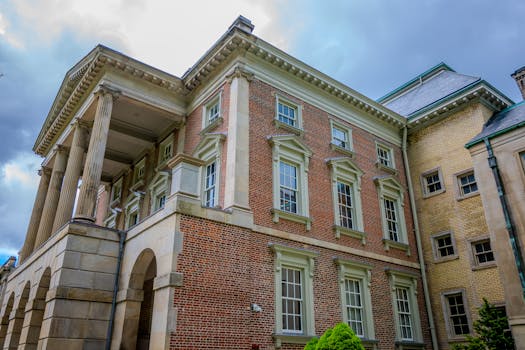
The period between 1714 and 1830, known as the Georgian era, marked a golden age of architectural elegance in Britain. Georgian architecture is renowned for its balance, proportionality, and adherence to classical aesthetics. Sash windows, featuring sliding panels for ventilation, became a staple of this architectural style, enhancing both the functionality and beauty of buildings.
Design Features of Georgian Sash Windows
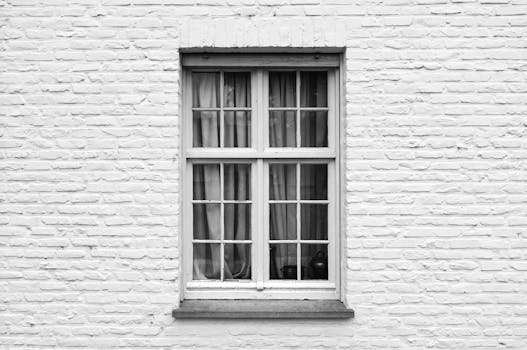
Georgian sash windows typically consist of two sashes sliding vertically, though horizontal variants exist. Traditionally, each sash includes multiple small glass panes, framed by glazing bars, with six-over-six or eight-over-eight pane arrangements being most common. The design was partly dictated by the glass-making technology of the time, which limited the size of pane production and increased the risk of breakage with larger panes.
Aesthetic and Practical Benefits
The design of Georgian sash windows offers dual benefits. Externally, they contribute to a property’s symmetrical aesthetic, a hallmark of Georgian design. Internally, they allow for abundant natural light, creating a perception of spaciousness. Importantly, the sash design is non-protrusive when open, an ideal feature for homes on busy streets or overlooking gardens.
Challenges and Solutions in Maintenance
Despite their visual appeal, Georgian sash windows can present maintenance challenges. The age of these structures often leads to issues like frame rot, glass rattle, and drafts. Original materials used in Georgian sash windows typically offer poorer heat retention compared to modern windows.
Restoring these windows can significantly boost a period property’s value and appeal. Restoration efforts usually involve repairing or replacing damaged wood, incorporating energy-efficient glazing while retaining the original style, and installing draft-proofing to enhance thermal efficiency. It is vital to choose materials and restoration techniques that respect the original design and comply with historical preservation standards.
Expert Advice for Restoration
For those looking to preserve or restore Georgian sash windows, consulting with experts in historic building conservation is recommended. These professionals can offer advice on suitable materials and conservation-compliant restoration techniques. Regular maintenance, including painting and sealing, is also crucial to protect the windows from the elements and extend their lifespan.
Conclusion: Preserving Historical Integrity
Georgian sash windows are not merely architectural elements; they serve as a historical link and play a crucial role in maintaining the character of period homes. Through careful upkeep and appropriate restoration, these heritage elements can continue to enchant and serve future generations. Understanding and valuing Georgian sash windows is key for anyone involved in the conservation of period properties, ensuring the legacy of Georgian architectural elegance endures.