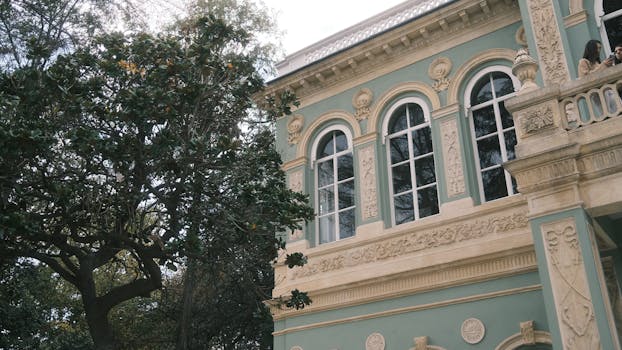
Restoring the windows of listed buildings is a task that blends art, history, and science, requiring meticulous attention to detail and a profound respect for the past. Listed buildings, recognized for their architectural or historical significance, are legally protected, and any alterations, including window restoration, must adhere strictly to heritage preservation standards.
Understanding Regulations and Standards
The restoration process begins with a deep understanding of the specific regulations that govern modifications to listed buildings. These rules ensure that any work performed is sympathetic to the original architectural and historical context. This regulatory framework often mandates the use of traditional materials and methods that mirror those used when the building was first constructed.
.png)
Assessing the Condition
A comprehensive assessment of the existing windows is a critical first step. Specialists examine the wood, glass, and metal components to determine the extent of decay or damage. The aim is generally to repair existing materials rather than replace them. This might involve intricate tasks such as stripping old paint to reveal the underlying wood, using similar timber for repairs, or employing specialized techniques to salvage original glass pieces.
Choosing the Right Materials
Selecting appropriate materials is paramount in the restoration of windows in listed buildings. When dealing with wooden frames, it’s crucial to find timber that matches the original in terms of type, age, and texture. This may require sourcing vintage wood or treating new wood to achieve an aged appearance. For the glass, replicating the original look and thickness is essential, often necessitating custom orders from suppliers skilled in traditional glass-making techniques.
Employing Skilled Craftsmen
The restoration must be executed by artisans who specialize in historical buildings. These craftsmen bring a nuanced understanding of the materials and methods suited to listed buildings. They are adept at preserving critical features like the style of glazing bars, the construction of joints, and the specific profiles of moldings.
Balancing Modern Needs and Historical Integrity
While restoring historical authenticity, it's also important to meet contemporary standards for energy efficiency and security. Solutions such as secondary glazing—a second glass layer installed behind the original window—or the application of specialist glazing films can enhance thermal performance without detracting from the window's historical appearance.
Collaborating with Conservation Experts
The restoration process often involves collaboration with conservation officers and heritage experts who provide oversight and approval. Their expertise ensures that the restoration adheres to conservation principles, balancing the building's historical character with modern functionality.
Conclusion
The restoration of windows in listed buildings is a complex, labor-intensive, and often costly endeavor that plays a vital role in heritage conservation. It demands a detailed understanding of historical materials and construction techniques, coupled with a commitment to preserving the building’s original character. By respecting historical details and applying correct restoration practices, it is possible to maintain the cultural significance of listed buildings while adapting them for ongoing use. This delicate balance ensures that these structures can be enjoyed by future generations, preserving our link to the past.