The Aesthetic Appeal of Victorian Sash Windows
Victorian sash windows have long been celebrated as icons of architectural beauty, capturing the elegance and grandeur of an era when craftsmanship and style were paramount. These distinctive windows, with their slim profiles, intricate glazing bars, and harmonious proportions, have graced Victorian homes and public buildings since the 19th century. But what is it about Victorian sash windows that continues to captivate homeowners, architects, and design enthusiasts today? This article delves deep into the unique aesthetic appeal of Victorian sash windows, exploring their visual characteristics, historical context, influence on modern design, and the emotional resonance they evoke.
The Distinctive Visual Characteristics of Victorian Sash Windows
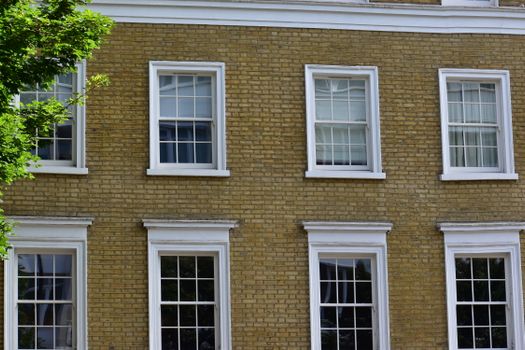
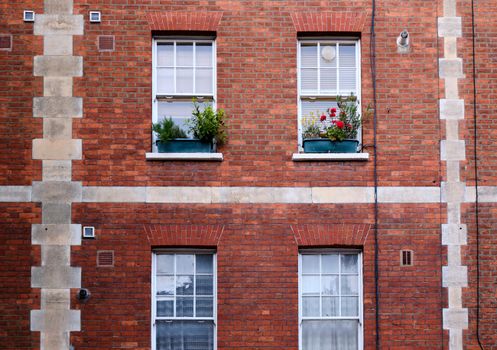
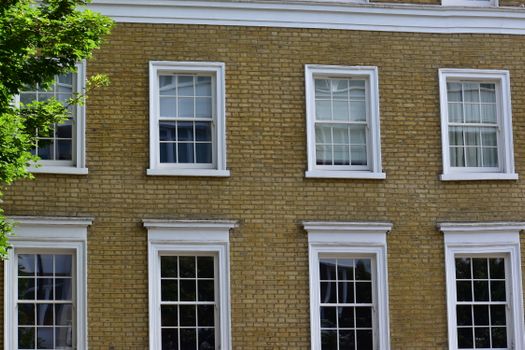
Victorian sash windows stand out not just for their function but for their form. Their aesthetic qualities are rooted in both their design elements and their ability to complement a range of architectural styles. The classic Victorian sash window typically features a "two over two" or "one over one" pane arrangement—meaning two sashes, each with one or two panes of glass. However, grander properties may showcase more intricate patterns, such as arched tops or decorative stained glass panels.
Key visual features include:
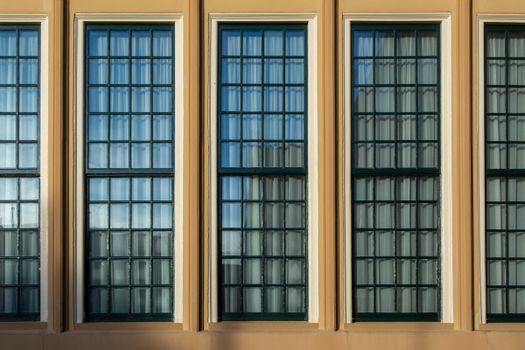
- Slim, elegant glazing bars that create a delicate lattice across the glass, enhancing the play of light and shadow. - Tall, narrow proportions, which create an impression of height and grandeur, often making rooms feel more spacious and light-filled. - Ornate detailing, such as decorative sash horns, moulded window surrounds, and often, elegant stone or brick lintels.A study by Historic England notes that over 40% of surviving sash windows in Victorian buildings retain these original features, which are highly prized in the property market. The visual appeal is not merely in the window itself, but how it frames views and becomes a focal point of both façade and interior.
.png)
Historical Origins and Evolution of Victorian Sash Windows
Understanding the aesthetic appeal of Victorian sash windows requires a look back at their origins. Sash windows first emerged in England in the late 17th century, but it was during the Victorian era (1837–1901) that they reached their zenith in popularity and decorative sophistication. The Industrial Revolution brought mass production of glass and advances in joinery, allowing for larger, clearer panes and more intricate woodwork.
Victorian sash windows evolved from earlier Georgian designs, which often featured small panes and heavier frames due to glassmaking limitations. By contrast, Victorian windows boasted larger panes, made possible by improved glass technology, and slimmer frames, creating a lighter and more refined appearance.
According to the Royal Institute of British Architects (RIBA), by 1870, over 80% of urban homes in cities like London and Manchester featured sash windows, a testament to their widespread appeal. These windows were not just functional; they were status symbols, showcasing the latest trends in design and materials.
The Psychological and Emotional Impact of Victorian Sash Windows
The attraction to Victorian sash windows goes beyond their architectural merit. These windows evoke a sense of nostalgia and emotional comfort, connecting people to a bygone era of elegance and stability. Studies in environmental psychology suggest that traditional window forms, such as the vertical proportions and rhythm of sash windows, contribute to a sense of order, symmetry, and well-being in domestic spaces.
Victorian sash windows also influence how we experience light and space. Their tall proportions and large glass areas allow for abundant natural light, which, according to a 2022 study by the University of Sheffield, can increase feelings of happiness and reduce stress by up to 30%. The ability to slide sashes open enables gentle ventilation while maintaining security and privacy, enhancing comfort and creating a pleasant indoor atmosphere.
Moreover, these windows often serve as beautiful frames for views of gardens, cityscapes, or tree-lined streets, further enhancing the emotional connection between the indoor environment and the world outside.
Victorian Sash Windows in Modern Settings: Timelessness and Adaptability
One of the most remarkable aspects of Victorian sash windows is their enduring relevance. While they are rooted in 19th-century design, their aesthetic qualities remain highly sought-after in both period properties and contemporary homes. Architects and designers often incorporate sash windows into new builds and renovations to evoke a sense of history, prestige, and refined taste.
The adaptability of Victorian sash windows is evident in how they can be customized to fit a variety of exteriors—from classic brick townhouses to modern minimalist facades. Advances in manufacturing now allow for the creation of sash windows in materials like engineered timber and energy-efficient glazing, ensuring they meet today’s performance standards without sacrificing their signature style.
To illustrate their continued popularity, a 2021 survey by the UK’s National House Building Council found that 35% of new residential developments in historic districts specified sash windows as a preferred feature, highlighting their cross-generational appeal.
Comparative Table: Victorian Sash Windows vs. Other Traditional Window Styles
To better understand the unique aesthetic appeal of Victorian sash windows, it’s helpful to compare them with other traditional window types commonly found in British architecture.
| Feature | Victorian Sash Windows | Georgian Sash Windows | Casement Windows |
|---|---|---|---|
| Typical Pane Arrangement | Two over two, one over one, or decorative | Six over six or eight over eight | Single or paired with one large pane |
| Frame Proportion | Tall and narrow | Squarer, balanced | Varied—often wider than tall |
| Ornamentation | Decorative horns, moulded surrounds | Simpler, minimal decoration | Minimal or rustic, depending on period |
| Era | 1837–1901 | 1714–1830 | Throughout history, especially Tudor/Elizabethan |
| Light Transmission | High, due to larger panes | Moderate, smaller panes | High, if large single panes |
This comparison highlights the Victorian sash window’s unique blend of elegance, ornamentation, and practicality, distinguishing it from earlier and contemporary styles.
How Victorian Sash Windows Influence Contemporary Aesthetics
The influence of Victorian sash windows extends beyond mere historical reproduction. Many modern architects and interior designers draw inspiration from their proportions, symmetry, and decorative flourishes when designing new spaces. Features such as slim frames and generous glass areas have become benchmarks for blending classic and contemporary aesthetics.
For instance, leading London interior designer Abigail Ahern often incorporates Victorian-inspired sash windows into her projects to create a sense of timelessness. She notes that these windows "anchor a room, drawing the eye and providing a natural focal point while harmonising with both vintage and modern furnishings."
Furthermore, the trend for painted window frames—popularised in Victorian times—has re-emerged in recent years, with homeowners opting for bold hues or subtle greys to complement contemporary colour palettes. The enduring popularity of these design cues underscores the sash window’s versatility and ongoing relevance.
The Role of Victorian Sash Windows in Urban and Rural Landscapes
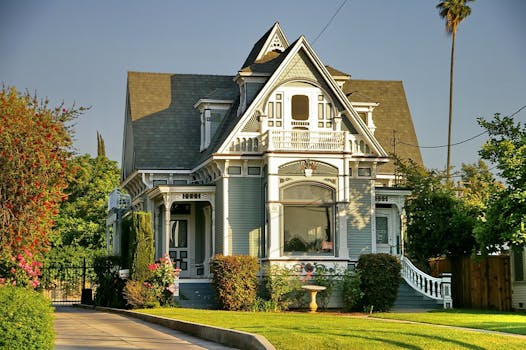
One cannot ignore the broader visual and cultural impact that Victorian sash windows have on the urban and rural landscapes of the UK. Streets lined with terraced houses, each adorned with uniform sash windows, create a rhythmic streetscape that is instantly recognisable. In rural settings, Victorian villas and cottages featuring these windows contribute to the picturesque charm of villages and countryside retreats.
The preservation of original Victorian sash windows has become a priority in conservation areas, not only for their historical significance but also for their contribution to local character. According to English Heritage, towns that retain a high proportion of original sash windows see up to a 15% uplift in property values compared to those where modern replacements have altered the historical streetscape.
These windows do more than beautify individual buildings—they maintain the collective memory and identity of entire communities, fostering a sense of pride and continuity.
Conclusion: The Timeless Beauty of Victorian Sash Windows
Victorian sash windows are far more than just architectural features; they are enduring symbols of beauty, craftsmanship, and cultural identity. Their slender profiles, refined detailing, and harmonious proportions have secured their place as icons of both historical and contemporary design. As homes and cities evolve, the aesthetic appeal of Victorian sash windows continues to inspire admiration, evoke nostalgia, and enhance the environments in which we live.
Whether preserved in a historic terrace or reimagined in a modern home, Victorian sash windows remain a testament to the timeless power of thoughtful design. Their enduring charm ensures that they will continue to grace buildings and delight generations for centuries to come.