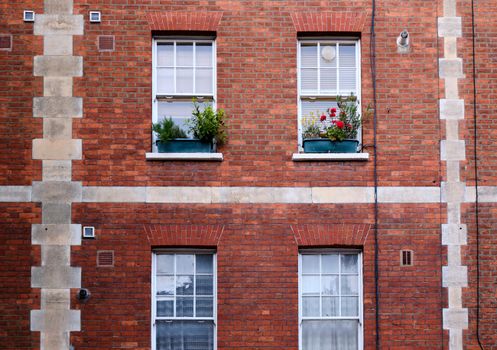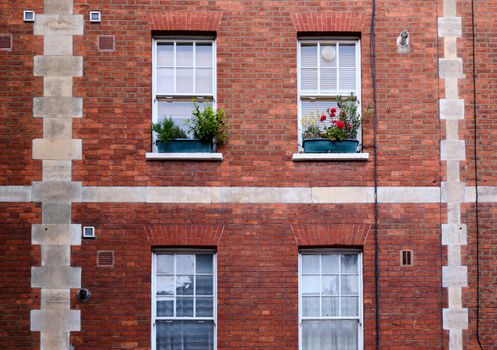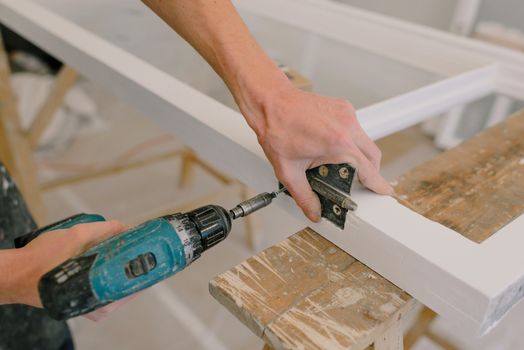
Sliding sash windows are an iconic feature in many period and heritage properties across the UK. Their elegance, ease of use, and the charm they add to a home make them highly sought after. However, over time, even the most robust sash windows require refurbishment to restore their function and appearance. Homeowners and even some professionals often make crucial mistakes during the refurbishment process, which can lead to reduced performance, compromised aesthetics, and sometimes costly repairs down the line. In this article, we’ll explore the most common mistakes in refurbishing sliding sash windows and, most importantly, how to avoid them. Whether you’re a seasoned DIY enthusiast or considering hiring a specialist, understanding these pitfalls is essential for a successful project.
The Importance of Getting Sash Window Refurbishment Right
Sliding sash windows are not just charming—they’re a significant investment in a property’s value and energy efficiency. According to Historic England, well-maintained sash windows can last over 100 years, and with proper refurbishment, they can outperform many modern alternatives in terms of lifespan and environmental impact. Mistakes during refurbishment, however, can cut their life short, diminish their performance, and even affect your home’s security and insulation.
A 2022 survey by the British Woodworking Federation found that 67% of homeowners who attempted DIY window refurbishment encountered unexpected issues, leading to additional repair costs averaging £350 per window. These statistics underscore the importance of informed, careful refurbishment.
.png)
Overlooking Accurate Diagnosis of Window Problems
One of the most frequent mistakes is failing to properly diagnose the specific issues affecting a sliding sash window before starting refurbishment. Not every sticking sash, draught, or rattle has the same root cause. For example, draughts may result from worn weatherstripping, warped timber, or ill-fitting sashes. A superficial fix, like simply repainting or applying sealant, can mask deeper problems such as rot or frame distortion.
A professional assessment often includes:
- Checking for wood rot using a moisture meter (acceptable timber moisture content should be below 20%) - Inspecting sash cords, pulleys, and counterweights for wear - Assessing putty and glazing for cracks or gaps - Testing the movement of the sashes to identify warping or swellingSkipping this step can lead to incomplete repairs and recurring issues, ultimately costing more time and money. Always take time to assess thoroughly or hire a professional for a detailed inspection before commencing work.
Using Inappropriate Materials and Finishes
Another common error is the use of modern materials that are incompatible with traditional sash window construction. For example, using cement-based fillers instead of traditional linseed oil putty or epoxy can lead to rigid repairs that crack over time, especially as timber expands and contracts naturally.
Similarly, applying impermeable modern paints can trap moisture inside the wood, accelerating decay. Traditional sliding sash windows were designed to ‘breathe’, allowing moisture to escape. The wrong finish can undermine this principle.
Here’s a comparative overview of common materials used in sash window refurbishment:
| Material/Finish | Traditional Option | Modern Alternative | Suitability |
|---|---|---|---|
| Filler | Linseed oil putty | Cement-based filler | Putty flexes with wood; cement cracks and fails |
| Paint | Breathable oil-based paint | Acrylic or vinyl paint | Oil-based preserves breathability; acrylic/vinyl traps moisture |
| Glazing | Single glass with putty | Double glazing with plastic beading | Putty maintains appearance; plastic beading can look out of place |
To avoid these mistakes, always match materials and finishes to the original construction as closely as possible. Consult with conservation officers if your property is listed or in a conservation area.
Poor Sash Cord and Weight Replacement
The counterbalancing system of cords, weights, and pulleys is at the heart of sliding sash window operation. A surprisingly common mistake is using the wrong type or thickness of cord, or failing to replace worn or frayed cords at all. Standard sash cord is typically 6mm thick, made of braided cotton with a nylon core for durability.
Cheap, synthetic cords can deteriorate quickly under UV light or friction, leading to snapped cords and stuck windows. Similarly, neglecting to check the weights—sometimes replaced with makeshift alternatives—can cause sashes to be unbalanced, making them hard to open or close and placing strain on the frame.
Best practice is to:
- Always use proper, high-quality sash cord designed for windows - Weigh each sash and match with the correct counterweight for smooth operation - Replace cords in both upper and lower sashes, not just the visible one - Lubricate pulleys and check for smooth rotationTaking shortcuts here leads to frustration and can even cause damage to the window frame if sashes slam shut unexpectedly.
Neglecting Draught Proofing and Weather Sealing
While aesthetics are important, energy efficiency is a critical consideration for today’s homeowners. According to the Energy Saving Trust, properly draught-proofed sash windows can reduce household heat loss through windows by up to 15%.
One of the biggest mistakes is either neglecting draught proofing altogether or retrofitting it incorrectly. Cheap self-adhesive foam strips often peel off and can prevent sashes from sliding freely. Overly thick brush seals can jam the sashes, while poorly fitted systems may leave gaps.
Professional draught proofing typically involves:
- Routing discreet channels into the sash and frame to fit brush or pile strips - Selecting brush pile thickness that matches the gap size precisely - Ensuring seals do not obstruct smooth movement or alter the window’s appearanceInvest in a proper draught proofing system designed for sash windows and have it installed by someone with experience. This not only improves comfort and energy efficiency but can also reduce outside noise by up to 50%.
Improper Reassembly and Alignment
After repairs and painting, reassembling the window may seem straightforward, but this is where many problems arise. A common mistake is not allowing sufficient drying time for paint or putty, leading to sashes sticking to the frame. Another is failing to align the sashes correctly, so they do not sit flush or slide smoothly.
Other issues include:
- Over-tightening screws in hardware, which can split timber or distort the frame - Reinstalling beads or staff beads too tightly, preventing free sash movement - Neglecting to check for racking (out-of-square frames) before final assemblyTo avoid these errors:
- Always allow at least 24-48 hours for paint and putty to cure before reassembling - Adjust and test the sashes before final fixings are installed - Use a spirit level and square to check alignment - Lubricate all moving parts with beeswax or a dry silicone sprayA careful, patient approach at this stage ensures your windows open, close, and look as they should.
Final Thoughts on Avoiding Sash Window Refurbishment Mistakes
Refurbishing sliding sash windows can dramatically improve your home's comfort, efficiency, and appearance, but only if done correctly. By avoiding these common mistakes—skipping diagnosis, using inappropriate materials, mishandling cords and weights, neglecting draught proofing, and rushing reassembly—you can ensure long-lasting, beautiful results. If in doubt, consult an experienced sash window specialist, especially for listed or period properties where authenticity is key. With careful planning and attention to detail, your sash windows can continue to grace your home for generations to come.