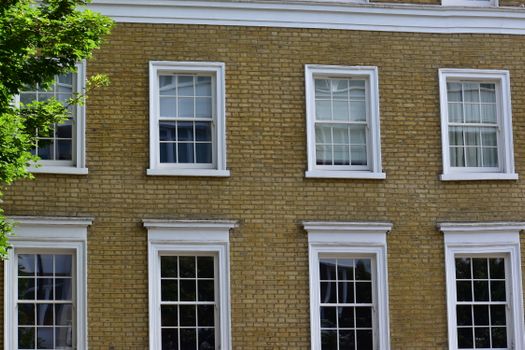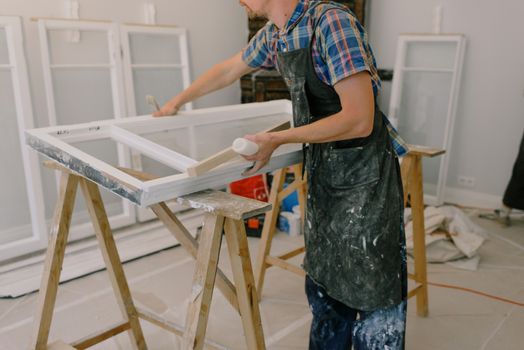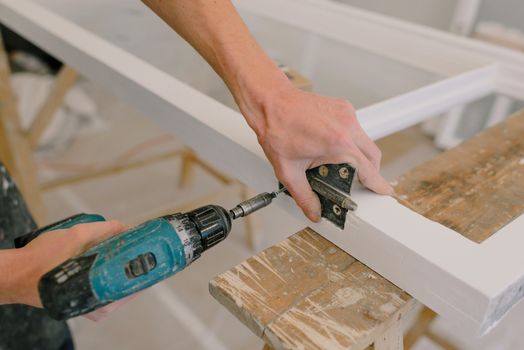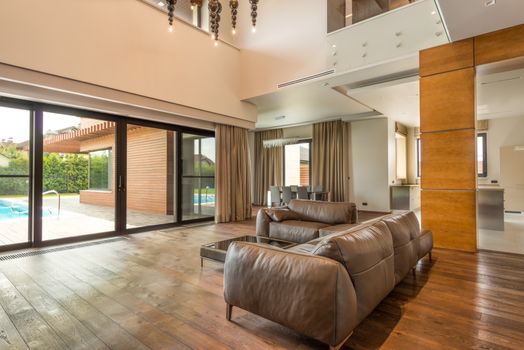
New wooden sliding windows represent a significant investment in your home's comfort, efficiency, and aesthetic appeal. While wood offers unmatched natural beauty and insulating properties, it also demands thoughtful care and strategic choices to ensure decades of smooth operation and visual appeal. Whether you've just installed new sliding sash windows or you're planning a renovation, understanding how to maximise their lifespan is crucial. Below, you'll find detailed, actionable recommendations tailored specifically to help your new wooden sliding windows stand the test of time.
The Science Behind Wooden Sliding Window Longevity
Wooden sliding windows can last generations—some historic examples in Europe have been in service for over 100 years. However, longevity isn't just about the quality of the timber. It's a blend of material science, environmental exposure, and ongoing maintenance.
According to a 2023 study from the Wood Window Alliance, high-quality wooden windows, when properly maintained, have an average service life of 60 years, compared to 35 years for PVC alternatives. The key factors that influence lifespan include:
.png) - Timber species and grade: Hardwoods like oak or accoya resist decay and pests far better than softer pine.
- Joinery techniques: Mortise and tenon joints are more durable than basic butt joints.
- Protective finishes: Factory-applied microporous paints and stains shield wood from moisture and UV rays.
- Timber species and grade: Hardwoods like oak or accoya resist decay and pests far better than softer pine.
- Joinery techniques: Mortise and tenon joints are more durable than basic butt joints.
- Protective finishes: Factory-applied microporous paints and stains shield wood from moisture and UV rays.
Understanding these fundamentals helps homeowners make informed decisions and spot early signs of wear or failure.
Choosing the Right Timber and Finish for Lasting Performance
Not all wood is created equal. The choice of timber for your sliding windows has a profound impact on their durability and resilience to the British climate.
Hardwoods such as oak, sapele, and accoya are renowned for their density, strength, and natural resistance to rot and insects. Accoya, in particular, is chemically modified to be exceptionally stable—its manufacturers guarantee a 50-year service life above ground. In contrast, softwoods like pine, while more affordable, are more susceptible to swelling, warping, and insect damage unless treated.
Equally important is the finish. Modern wooden windows benefit from advanced microporous paints and stains, allowing wood to breathe while keeping out moisture. Some manufacturers offer triple-coat systems with warranties up to 12 years, reducing the need for frequent repainting.
Here’s a comparative overview of popular timber options and their longevity:
| Timber Type | Natural Lifespan (Years) | Resistance to Rot | Maintenance Frequency |
|---|---|---|---|
| Accoya | 50+ | Excellent | Low |
| Oak | 40-60 | Very Good | Medium |
| Pine | 20-30 | Moderate | High |
| Sapele | 35-50 | Good | Medium |
For maximum longevity, choose a factory-finished hardwood window with a high-grade, microporous paint or stain, and confirm that your supplier offers a robust warranty.
Optimising Installation for Long-Term Functionality
Even the highest-quality windows can suffer a shortened lifespan if not installed correctly. Professional installation is essential to prevent issues that lead to premature deterioration.
Key installation factors that impact longevity include:
1. $1 All openings around the window must be thoroughly sealed to prevent water ingress. Flashing tape and silicone sealant are standard, but breathable membranes can further reduce the risk of trapped moisture. 2. $1 Windows must be installed absolutely square and plumb to ensure smooth sliding action and to avoid racking, which stresses joints and can lead to air leaks. 3. $1 Stainless steel or brass fixings prevent rust and staining, which can weaken frames over time. 4. $1 Adequate ventilation in the window reveal and surrounding wall helps control internal humidity, preventing condensation and mould growth on wood surfaces.A 2020 survey by the UK Federation of Master Builders found that 62% of window failures in the first 10 years were due to poor installation rather than material defects. Always choose an accredited installer with proven experience in timber sliding windows.
Smart Environmental Management for Window Health
Wooden windows interact closely with their environment. Sunlight, rain, humidity, and even pollutants in urban areas all play a role in how quickly wood weathers.
To extend the life of your sliding windows:
- $1 Keep indoor relative humidity between 40-60%. Excess moisture encourages swelling and paint blistering. Use extractor fans in kitchens and bathrooms, and consider a dehumidifier if condensation is persistent. - $1 Avoid planting shrubs or trees too close to windows. Plants can trap moisture against the frame and increase the risk of fungal decay. - $1 South-facing windows suffer the fastest finish degradation due to UV exposure. Consider external blinds, window films, or even modest roof overhangs to reduce direct sunlight.Notably, a case study by Historic England found that window frames in shaded, well-ventilated locations exhibited 30% less paint wear after 15 years than those exposed to full sun and poor airflow.
Integrated Maintenance Strategies for Wooden Sliding Windows
Routine maintenance is the single most important contributor to window longevity. However, modern finishes and construction have made maintenance less frequent and more manageable than in the past.
Recommended maintenance routine:
- $1 Each spring, inspect frames for cracks, flaking paint, or soft spots. Early intervention prevents small issues from escalating. - $1 Use a silicone spray or specialist sash window wax to keep sliding tracks and pulleys smooth—never use oil-based lubricants, which attract grit. - $1 Wash with mild soapy water to remove dirt and pollutants. Avoid abrasive cleaners or pressure washers. - $1 Depending on exposure and finish quality, external painting or staining is typically needed every 7-12 years. Follow manufacturer guidelines for surface prep and product choice. - $1 Replace worn or compressed seals to maintain energy efficiency and prevent drafts.According to the British Woodworking Federation, regular maintenance can extend a window's service life by up to 25 years, compared to neglected frames.
Upgrading Hardware and Glazing for Added Durability
Modern wooden sliding windows can be discreetly enhanced with advanced hardware and glazing to improve longevity and performance.
- $1 Not only does this improve energy efficiency, but it also reduces condensation on interior surfaces—one of the main causes of paint failure and rot. - $1 These allow background ventilation, reducing the risk of dampness without compromising security. - $1 Choose pulleys, locks, and handles made from stainless steel, brass, or powder-coated metal to resist rust and staining. - $1 Enhanced locks and restrictors not only boost safety but also reduce wear from forced or improper operation.A 2022 report from the Glass & Glazing Federation noted that windows upgraded with high-performance glazing and hardware experience 45% fewer service issues over a 20-year period.
Final Thoughts: Proactive Care Ensures Decades of Beauty and Function
New wooden sliding windows are a timeless investment, offering warmth, beauty, and character that few other materials can match. With thoughtful choices in timber and finish, skilled installation, environmental awareness, and a consistent maintenance routine, homeowners can confidently expect their windows to provide reliable service for half a century or longer.
By following the recommendations above, you not only protect your investment but also contribute to the sustainability of your home. Wooden windows, when properly cared for, offer a cradle-to-cradle lifecycle far superior to many alternatives—delivering enduring performance and classic charm for generations to come.