Sliding windows are a familiar architectural feature in homes and buildings across the world today, prized for their sleek looks, practicality, and ability to bring in ample daylight and fresh air. However, few people pause to consider the rich and fascinating history behind sliding windows or the multitude of factors that shaped their design and functionality over the centuries. From their ancient origins to their current high-performance forms, sliding windows have been repeatedly reinvented to meet changing needs, climates, technologies, and styles. This article delves into the remarkable journey of sliding windows, exploring what influenced their evolution and how these influences are still seen in modern designs.
Ancient Beginnings: Early Sliding Window Concepts
The concept of a window that moves horizontally is much older than many realize. While the earliest windows were simple holes in walls covered by cloth, animal skin, or wooden shutters, the first known sliding windows appeared in Asia centuries ago.
In traditional Japanese architecture, for example, the shoji and fusuma screens—lightweight wooden frames with translucent paper or opaque panels—were designed to slide side-to-side along wooden tracks. Dating back to at least the Heian period (794–1185 AD), these sliding panels provided both privacy and flexibility in reconfiguring interior spaces. Shoji screens in particular allowed light to filter in while protecting against wind and rain, a crucial adaptation for Japan’s varied climate.
.png)
Similarly, in ancient China, sliding lattice windows became prominent by the Tang dynasty (618–907 AD), often featuring intricate woodwork. These early sliding windows were designed for both ventilation and security, showing that even in their infancy, sliding windows needed to balance multiple functions.
Sliding Windows in Western Architecture: The Rise of the Sash
Sliding windows took a different path in Western architecture, coming to prominence much later. The earliest reference to a sliding sash window in England dates to the late 17th century, although their exact origin is debated. Some historians credit Dutch influence, as sliding sash designs can be seen in the Netherlands as early as the 1600s.
The classic English sash window, where one or both window panels (sashes) slide vertically in tracks, became a hallmark of Georgian and Victorian architecture. Unlike the horizontally sliding windows of Asia, these “vertical sliders” were well suited to narrow window openings typical of brick townhouses. According to English Heritage, over 90% of London’s 18th-century townhouses were originally fitted with sash windows.
The popularity of sliding sash windows was driven by various factors:
- Urban density: Vertical sliding allowed for larger window openings without encroaching on exterior or interior space. - Improved glass: Advances in glassmaking allowed for larger, clearer panes, making sash windows more desirable. - Building regulations: After the Great Fire of London (1666), stricter building codes promoted the use of recessed, sliding windows for fire safety.Materials and Mechanisms: Innovations Shaping Sliding Windows
As sliding windows spread from Asia to Europe and beyond, their design and functionality were influenced by the materials and technologies available. In Japan and China, wood was the primary construction material, easily worked into frames and tracks suitable for sliding.
In Europe, the Industrial Revolution brought significant changes. The emergence of machine-made glass and mass-produced hardware in the 18th and 19th centuries enabled the manufacture of larger, more intricate sliding windows. The counterweight and pulley mechanism, first patented in the late 17th century, allowed for smoother, easier operation of heavy sash windows.
By the 20th century, the introduction of new materials like aluminum, vinyl, and uPVC revolutionized window manufacturing. These materials enabled lighter, stronger frames and tracks, making horizontally sliding windows more feasible and durable, particularly in modern and mid-century architecture.
The table below compares key milestones in the evolution of sliding window materials:
| Era | Region | Primary Material | Innovation/Feature |
|---|---|---|---|
| 8th–12th Century | Japan/China | Wood, Paper | Shoji/Fusuma sliding panels; lattice designs |
| 17th–19th Century | Europe | Wood, Glass | Sash windows with weights and pulleys |
| Early–Mid 20th Century | Global | Steel, Aluminum | Metal frames, larger glass panes |
| Late 20th Century–Present | Global | uPVC, Composite | Energy-efficient, low-maintenance sliding windows |
Regional Influences and Climatic Considerations
The design and prevalence of sliding windows have always been shaped by regional architectural styles and local climates. For example, in humid Asian climates, sliding panels were favored for their ability to open wide and promote cross-ventilation. In contrast, in Western Europe, where security and insulation were bigger concerns, sliding sash windows were often double-glazed and fitted with locks and counterbalances.
In the United States, the post-war building boom of the 1950s and 1960s saw a surge in horizontal sliding windows, especially in ranch-style and modernist homes. The wide, low-slung design of these homes lent itself to long, narrow window openings, perfectly suited to sliding forms.
Contemporary sliding windows are often designed with specific climatic needs in mind. For example:
- In hurricane-prone regions, impact-resistant sliding windows are engineered to withstand high winds and flying debris. - In cold climates, triple-glazed sliding windows with thermal breaks provide superior insulation. - In arid regions, sliding windows with integrated insect screens allow for secure ventilation.These adaptations highlight how function and environment have always influenced sliding window design.
Modern Sliding Windows: Efficiency, Security, and Style
Today’s sliding windows are a far cry from their ancient predecessors, incorporating advanced features for comfort, aesthetics, and performance. According to a 2022 report by the Freedonia Group, the global market for residential windows is projected to reach $61 billion by 2025, with sliding windows making up a significant share due to their space-saving and contemporary appeal.
Key factors influencing modern sliding window design include:
- Energy Efficiency: Modern sliding windows often feature double or triple glazing, low-E coatings, and insulated frames to minimize heat transfer and reduce energy bills. According to the U.S. Department of Energy, energy-efficient windows can save homeowners up to 12% on annual energy costs. - Security: Multi-point locking systems and laminated glass make sliding windows more secure against forced entry. - Ease of Maintenance: Materials like vinyl and composite resist warping, rotting, and corrosion, while tilt-in or lift-out sashes simplify cleaning. - Aesthetic Versatility: Sliding windows are now available in a wide range of colors, finishes, and configurations, accommodating both traditional and ultra-modern tastes.Changing Lifestyles and the Future of Sliding Windows
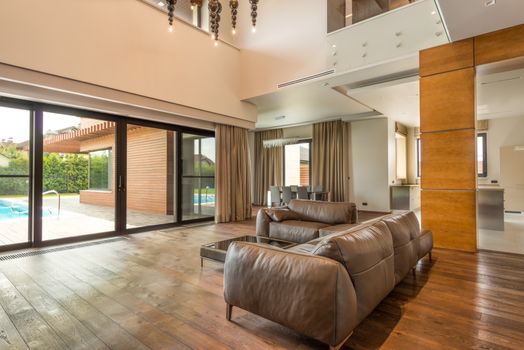
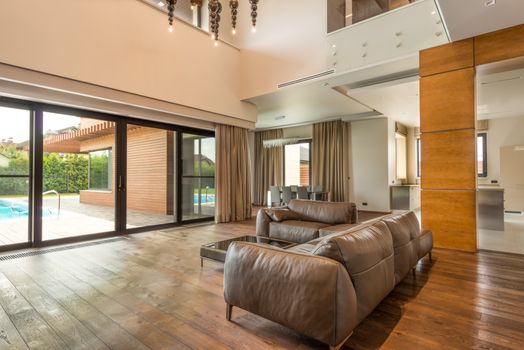
The evolution of sliding windows has always been closely tied to shifts in how people live and use their homes. Today, open-plan living, smaller lots, and a desire for seamless indoor-outdoor connections have made sliding windows and doors more popular than ever.
Smart home technology is also reshaping what sliding windows can do. Automated sliding windows can be operated remotely via smartphone or voice command, and sensors can alert homeowners if a window is left open or unlocked.
Looking forward, sustainability is likely to play an even bigger role. Manufacturers are developing sliding windows that use recycled materials, maximize daylight, and improve natural ventilation to reduce reliance on artificial heating and cooling. Researchers are also working on “dynamic glazing” technologies that allow windows to change tint with sunlight, further enhancing comfort and energy savings.
Final Reflections on the History and Evolution of Sliding Windows
From humble wooden panels in ancient Asia to today’s high-tech, energy-efficient marvels, the history and evolution of sliding windows is a testament to human ingenuity and adaptability. Each era and region left its mark—shaped by local materials, climate challenges, social needs, and technological advances. Today’s sliding windows are not only a practical solution for modern living but also a living legacy of centuries of design evolution. As lifestyles, environments, and technologies continue to change, so too will the sliding window—adapting to meet the needs of future generations while retaining echoes of its storied past.