Choosing the Right Wooden Sliding Windows for Modern Renovations: A Comprehensive Comparison
In recent years, the surge in home renovations across the UK and beyond has brought wooden sliding windows back into the spotlight. They blend tradition with contemporary requirements, offering a unique mix of style, insulation, and versatility. Yet, not all wooden sliding windows are created equal. If you’re considering a modern renovation, understanding the different types of wooden sliding windows—along with their distinct features and benefits—is essential to making a choice that complements both your home’s aesthetic and your functional needs.
This in-depth guide compares the most popular types of wooden sliding windows for modern renovations, highlighting their characteristics, advantages, and considerations. Whether you’re restoring a period property or updating a modern home, this article will help you make an informed decision.
.png)
The Evolution of Wooden Sliding Windows in Modern Renovations
Wooden sliding windows have a rich architectural history, especially in the UK, where they became a hallmark of Georgian, Victorian, and Edwardian homes. Today, modern manufacturing and finishing techniques have expanded their appeal. According to a 2023 Home Renovation Trends Report, over 40% of UK homeowners undertaking renovations prefer wooden windows for their superior insulation and distinctive charm.
Modern wooden sliding windows are no longer limited to heritage restorations. They now come in various types, each engineered to address different demands—thermal performance, ease of operation, security, and design flexibility. As environmental consciousness grows, sustainably sourced timber and energy-efficient glazing have also become standard expectations.
Main Types of Wooden Sliding Windows for Contemporary Homes
When it comes to sliding mechanisms and design, wooden sliding windows can be broadly categorized into these main types:
- Traditional vertical sliding sash windows - Horizontal sliding windows (Yorkshire sliders) - Double-sliding windows - Tilt-and-slide windowsEach type offers a unique blend of form, function, and suitability for different spaces.
Vertical Sliding Sash Windows: Classic Appeal Meets Modern Needs
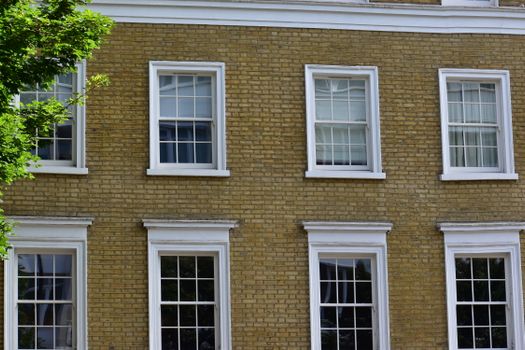
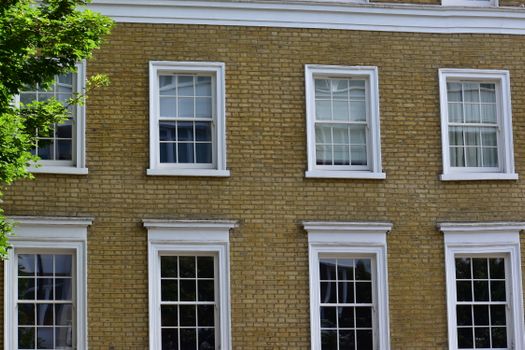
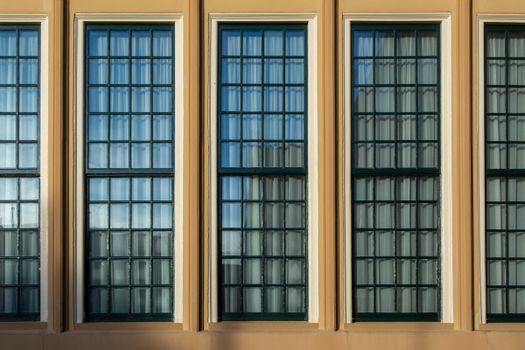
Vertical sliding sash windows are perhaps the most iconic style, instantly recognizable with their two framed sashes that slide up and down within the window frame. Traditionally, these sashes were counterbalanced by lead weights and cords, but modern versions often use spring balances for smoother, maintenance-friendly operation.
Key Features: - Timeless aesthetics, ideal for both period and contemporary properties - Excellent ventilation control; both sashes can be opened for airflow - Modern double or triple glazing options available for enhanced energy efficiency - Can be fitted with draught-proofing and security locksA study by the British Woodworking Federation found that modern timber sash windows can last over 60 years with proper care, outlasting many uPVC alternatives. In addition, wooden sashes offer up to 30% better thermal performance when paired with modern glazing.
Vertical sliding sash windows are perfect for rooms where you want to maintain a traditional façade or where planning regulations require period-appropriate features.
Horizontal Sliding Windows (Yorkshire Sliders): Space-Saving Versatility
Horizontal sliding windows, often called Yorkshire sliders, differ from vertical sashes in their side-to-side operation. This design is particularly suited to wide window openings or areas with limited vertical clearance, such as basements or certain contemporary extensions.
Advantages include: - Unobtrusive operation—no sashes protrude into the interior or exterior space - Can be manufactured in larger sizes than vertical sliders - Suitable for modern open-plan layouts and panoramic views - Smooth gliding mechanisms, with options for soft-close featuresYorkshire sliders are less common than vertical sashes but are gaining popularity in modern renovations, especially where maximizing light and access is important. They also offer good compatibility with double glazing for improved energy savings.
Double-Sliding and Tilt-and-Slide Wooden Windows: Modern Functionality
Modern lifestyles call for greater flexibility and easy cleaning. Double-sliding wooden windows allow both sashes to move independently, offering maximum control over ventilation and access. Some models even allow both sashes to tilt inward, making cleaning from inside the house much easier—a significant advantage for upper-floor installations.
Tilt-and-slide windows are a further innovation, combining sliding and tilting mechanisms. With a simple handle adjustment, these windows can either slide open or tilt inward for safe, secure ventilation. This makes them a favorite in homes where child safety and ease of use are priorities.
Key benefits: - Enhanced convenience for cleaning and maintenance - Improved ventilation and air flow control - Increased security features, including multi-point locking systemsAccording to the National Wood Window Alliance, windows with tilt-and-slide features are now chosen in 15% of all new-build homes featuring wooden windows—a number that has nearly doubled over the past decade.
Comparing Wooden Sliding Window Types: A Side-by-Side Overview
Choosing the right type of wooden sliding window depends on your specific renovation needs. The table below offers a quick side-by-side comparison of the main types discussed:
| Window Type | Operation | Best For | Energy Efficiency | Ease of Maintenance | Estimated Lifespan |
|---|---|---|---|---|---|
| Vertical Sliding Sash | Up and down (vertical) | Period properties, traditional facades | High (with double/triple glazing) | Moderate (improved with modern balances) | 60+ years |
| Horizontal Sliding (Yorkshire Slider) | Side to side (horizontal) | Wide openings, modern layouts | High | High (simple mechanism) | 50+ years |
| Double-Sliding Sash | Both sashes slide vertically | Upper floors, easy cleaning | High | Very high (tilt-in feature) | 60+ years |
| Tilt-and-Slide | Slide horizontally or tilt inwards | Modern homes, safety-conscious families | Very high | Very high | 50+ years |
Material and Finish Options: Enhancing Performance and Aesthetics
The type of timber and finish you select plays a crucial role in the durability, appearance, and maintenance requirements of your sliding windows. Popular choices include:
- Engineered softwood: Cost-effective, stable, and often sourced from sustainable forests - Hardwood (e.g., oak, mahogany): Superior longevity, natural resistance to rot, and a premium look - Accoya (acetylated wood): Highly durable, low-maintenance, and environmentally friendly, with a lifespan of up to 50 years in exterior useFinishing options have also evolved. Microporous paints and stains allow timber to breathe, preventing moisture buildup and rot. Some manufacturers provide factory-finished windows with warranties of 8-10 years on paintwork, reducing the need for frequent upkeep.
According to the Wood Window Alliance, factory-finished wooden windows have a 30% longer repaint interval compared to site-painted versions, lowering maintenance costs over time.
Cost Considerations and Long-Term Value
While wooden sliding windows generally require a higher upfront investment compared to uPVC or aluminum alternatives, their long-term value is significant. Key factors influencing cost include:
- Type of timber (hardwoods are pricier than softwoods) - Complexity of mechanism (tilt-and-slide and double-sliding models cost more) - Glazing options (triple glazing increases price but boosts energy performance) - Bespoke designs or heritage detailingOn average, installing high-quality wooden sliding sash windows in a UK home costs between £1,200 and £2,500 per window, depending on size and specifications. However, energy savings, reduced maintenance, and increased property value often offset the higher initial outlay. A 2022 survey by the Royal Institution of Chartered Surveyors found that well-maintained timber windows can add up to 5% to a property’s market value.
Making the Best Choice for Your Modern Renovation
Selecting the optimal wooden sliding window for your project involves balancing aesthetics, practicality, and budget. Vertical sliding sashes remain the go-to for traditional looks and period renovations, while horizontal sliders and tilt-and-slide options are increasingly favored in contemporary designs. Consider your property’s architectural style, the room’s requirements, and long-term maintenance when making your choice.
Always choose windows from reputable manufacturers who use sustainably sourced timber and provide robust warranties on both frame and finish. This ensures your investment delivers decades of performance, beauty, and energy efficiency.