Sliding sash windows are a timeless feature in many period properties across the UK and beyond, celebrated for their elegance, practicality, and historic charm. However, as with any architectural element exposed to the elements and daily use, sash windows eventually require careful maintenance, repair, or even renovation. The quality and type of materials chosen for these repairs are critical: they not only determine the longevity and performance of the window but also ensure that the original character and value of the property are preserved. In this article, we’ll explore the best materials for repairing and renovating sliding sash windows, highlighting modern innovations, traditional options, and key considerations for homeowners and renovators alike.
The Importance of Material Choice in Sliding Sash Window Repairs
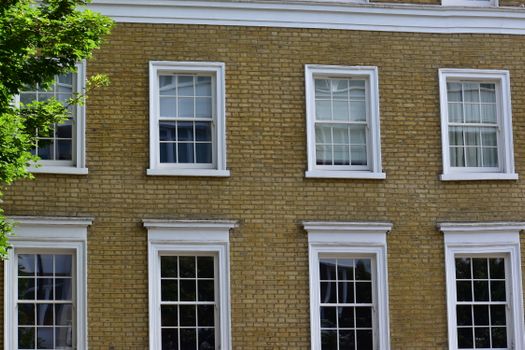
The materials used in sash window repairs directly impact durability, thermal efficiency, cost, and historical authenticity. According to Historic England, almost 70% of pre-1919 buildings in the UK have timber sash windows, many of which require specialist attention to maintain their original features and comply with conservation requirements.
Selecting the right material isn’t just about matching appearances. For example, inferior replacements can lead to rot, warping, or reduced functionality. On the other hand, high-quality, sympathetic materials restore not just the window’s beauty but also its insulation and operational smoothness. Moreover, in conservation areas or listed buildings, the use of authentic or approved materials is often mandated by law, with penalties for non-compliance.
.png)
Traditional Timber: The Gold Standard for Authenticity and Longevity
Timber has been the principal material for sash windows since their introduction in the late 17th century. Today, the majority of heritage properties still feature original or replacement timber sashes. The choice of timber is crucial:
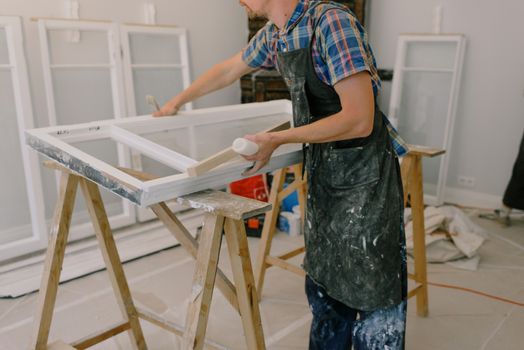
- $1: Historically popular due to its availability and workability, softwood is still used today, especially for budget-conscious repairs. However, it requires thorough treatment and regular maintenance to prevent rot and insect damage. - $1: Hardwoods are denser, more durable, and highly resistant to decay. Sapele, for example, has a Janka hardness rating of 1,410 lbf compared to pine’s 380 lbf, making it a superior choice for longevity. Hardwood frames, while up to 50% more expensive initially, often outlast softwood alternatives by decades with less maintenance. Timber repairs typically involve: - Splicing in new wood for damaged areas - Using resin-based fillers for minor imperfections - Repainting with micro-porous paints to allow the timber to breatheIt’s important to use timber sourced from sustainable forests, certified by bodies like the FSC (Forest Stewardship Council), to ensure environmental responsibility.
Modern Materials: uPVC and Aluminium for Sash Window Renovation
While timber remains the gold standard for authenticity, modern materials such as uPVC (unplasticized polyvinyl chloride) and aluminium are increasingly popular for their low maintenance and improved performance characteristics.
- $1: This synthetic material is valued for its affordability and weather resistance. Modern uPVC sash windows can convincingly mimic the look of timber, and require no painting or special care. They offer excellent thermal efficiency, with some triple-glazed options achieving U-values as low as 0.8 W/m²K. However, uPVC is not generally permitted in listed buildings and may look out of place on historic façades. - $1: Slim, strong, and lightweight, aluminium frames are powder-coated for durability and available in a wide range of finishes. They are highly resistant to corrosion and can support larger panes for better views and more light. While more expensive than uPVC, aluminium’s sleek appearance makes it a preferred choice for contemporary renovations or modern extensions to period properties.Glazing Options: Enhancing Performance and Comfort
Original sash windows were fitted with single glazing, which is notoriously inefficient by modern standards. Upgrading the glazing can dramatically improve comfort and reduce energy bills without compromising on appearance.
- $1: Still required in many conservation areas, especially for Grade I and II listed buildings. While it preserves the historic look, single glazing provides minimal insulation, with U-values typically around 5.0-6.0 W/m²K. - $1: Advances in technology have produced ultra-thin double-glazed units (as slim as 11mm), which can be retrofitted into original sash frames. These units offer U-values as low as 1.5 W/m²K and use inert gases like krypton or argon for added insulation. - $1: For properties in busy urban areas, acoustic glass can reduce noise transmission by up to 50%. Laminated glass also increases security and UV protection. - $1: A non-invasive method, secondary glazing involves fitting a discreet internal window behind the original sash. This can reduce heat loss by up to 60% and is often permitted in heritage properties where double glazing is not.Repair Fillers, Sealants, and Paints: Small Details, Big Impact
Even the most robust sash windows develop minor faults over time—cracks, draughts, or flaking paint. The choice of repair products can make a substantial difference in the outcome and longevity of the restoration.
- $1: For repairing rotten or damaged wood, two-part epoxy fillers are ideal. They bond strongly, can be shaped and sanded, and last much longer than traditional fillers. Some, like the Repair Care Dry Flex system, are guaranteed for up to 10 years. - $1: Fitting brush or rubber seals into parting and staff beads can reduce heat loss by up to 86%, as reported by the Energy Saving Trust. Modern systems are designed to be unobtrusive and reversible, preserving the window’s appearance and function. - $1: These allow timber to breathe, preventing moisture build-up that leads to rot. Brands like Teknos and Dulux Weathershield offer exterior paints with a life expectancy of up to 8-10 years. - $1: For re-glazing, linseed oil putty is traditional, but modern glazing compounds (such as Butyl or acrylic-based) offer faster curing and better flexibility.Comparing Materials for Sash Window Repairs: Durability, Cost, and Suitability
To help you choose the best materials for your sash window project, here’s a side-by-side comparison of the key options:
| Material | Durability (years) | Maintenance | Suitability for Listed/Heritage | Approx. Cost per Window |
|---|---|---|---|---|
| Softwood Timber | 15-25 | High (regular painting required) | Best for listed/heritage | £800-£1,200 |
| Hardwood Timber | 40+ | Moderate | Best for listed/heritage | £1,200-£1,800 |
| uPVC | 20-30 | Low | Rarely allowed | £600-£1,000 |
| Aluminium | 30-45 | Low | Not suitable for most heritage | £1,400-£2,000 |
| Slimline Double Glazing | 20-30 | Low | Often permitted if discreet | £400-£800 (per sash) |
Eco-Friendly and Innovative Materials for a Sustainable Future
Sustainability is increasingly influencing renovation choices. Homeowners are seeking eco-friendly options not just for environmental reasons, but also to future-proof their properties and reduce running costs.
- $1: Accoya is a fast-growing softwood that’s been acetylated (chemically modified) to resist rot, swelling, and insect attack. With a 50-year above-ground guarantee, Accoya is one of the most durable and sustainable choices for sash window repairs, and it’s FSC-certified. - $1: Aluminium used for window frames is often made from recycled sources, reducing its carbon footprint. The recycling process uses 95% less energy than producing new aluminium. - $1: Low-emissivity (Low-E) glass has a microscopically thin coating that reflects heat back into the room while allowing light to pass through. When combined with slimline double glazing, Low-E glass can improve energy efficiency by up to 30% over standard glass. - $1: For a traditional look with an eco-twist, natural paints based on linseed oil or plant resins offer excellent breathability while avoiding harmful VOCs (volatile organic compounds).Key Takeaways on Choosing Materials for Sash Window Repairs
Selecting the right materials for repairing and renovating sliding sash windows is a careful balance between authenticity, performance, cost, and sustainability. For period properties, high-quality softwood or hardwood timber remains unrivalled in historical accuracy and regulatory compliance. For less restrictive environments or modern homes, uPVC and aluminium offer practical benefits with minimal upkeep.
Glazing upgrades, draught-proofing, and the use of advanced fillers and paints all contribute to the window’s comfort and lifespan. With new sustainable options like Accoya and Low-E glass, homeowners can enjoy the best of both worlds: preserving traditional character while embracing 21st-century efficiency.
Investing in the best materials may require a higher upfront cost, but the long-term benefits—in energy savings, reduced maintenance, and preserved property value—make it a wise choice for any renovation project.