Repair vs. Replacement: What to Do with Damaged Sliding Windows?
When a sliding window no longer glides smoothly, fails to seal out drafts, or shows visible damage, homeowners face a critical decision: should you repair the window or replace it entirely? This choice isn’t always obvious. With over 60% of UK homes containing sliding windows or doors, this dilemma affects millions each year. Navigating the pros, cons, costs, and consequences of repair versus replacement can save money, improve comfort, and even increase property value. This article explores when to repair, when to replace, and how to make the smartest investment for your home.
Understanding the Common Problems with Sliding Windows
Sliding windows—also known as sliders or horizontal sash windows—are prized for their wide views, easy operation, and space-saving design. However, just like any moving part, they’re susceptible to wear and tear. Some of the most common issues include:
.png) - Broken or foggy glass panes
- Sticking or difficult-to-move sashes
- Worn-out rollers or tracks
- Drafts and reduced energy efficiency
- Damaged locks or security latches
- Frame rot, warping, or water damage
- Broken or foggy glass panes
- Sticking or difficult-to-move sashes
- Worn-out rollers or tracks
- Drafts and reduced energy efficiency
- Damaged locks or security latches
- Frame rot, warping, or water damage
According to a 2023 survey by the Glass and Glazing Federation, 38% of homeowners reported operational issues with their sliding windows after ten years, while 22% cited energy loss as a concern. Recognizing the root cause of the problem is the first step in determining whether repair or replacement is the better course of action.
When Is Repair the Best Option for Sliding Windows?
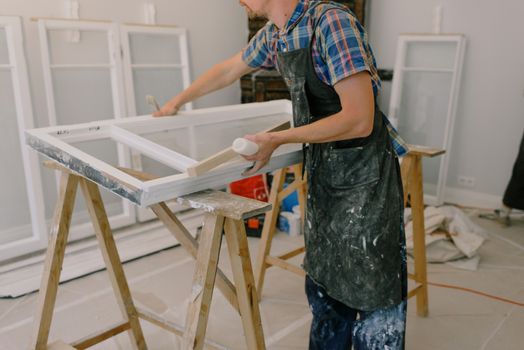
Repairing sliding windows can be a cost-effective solution for a range of problems, especially if the overall structure is still sound. Here are scenarios where repair is usually preferable:
1. $1 - Replacing worn-out rollers, handles, or locks is typically inexpensive and restores function quickly. - Cleaning and lubricating tracks can resolve sticking issues in 80% of cases, according to window repair specialists. 2. $1 - Small cracks, chips, or isolated fogging in double-glazed units can often be fixed by replacing just the glass, not the entire window frame. 3. $1 - Replacing weatherstripping or caulking can eliminate drafts, restoring comfort and efficiency. 4. $1 - Scratches, minor dents, or paint wear can be repaired without major intervention.In most instances, repairs cost between £75 and £250 per window, depending on the issue and local labour rates. Repairing also preserves the original look—crucial for period properties or matching existing décor.
When Replacement Is the Smarter Choice
Despite the appeal of repairs, replacement may be necessary or even more cost-effective in several circumstances:
1. $1 - When the window frame is rotten, warped, or infested with mould, repair is rarely worth the effort. Moisture intrusion often signals deeper problems. 2. $1 - Large cracks, multiple shattered panes, or persistent condensation between panes (failed seals) in double- or triple-glazed units are best solved by full replacement. 3. $1 - If the window remains difficult to open or close after repairs, the structural integrity may be compromised. 4. $1 - Older sliding windows may lack modern energy-efficient features. Replacing with double- or triple-glazed low-E units can reduce heat loss by up to 30%, according to the Energy Saving Trust. 5. $1 - Outdated or damaged locks and thin glass pose a security risk. New windows often come with multi-point locking systems and laminated glazing.While the upfront cost is higher—averaging £500–£1,200 per replacement window—the long-term benefits often justify the investment, especially for windows older than 20 years.
Cost Comparison: Repair vs. Replacement
One of the most significant factors in the repair vs. replacement debate is cost. Here’s a breakdown to help you compare typical expenses:
| Issue | Repair Cost (per window) | Replacement Cost (per window) |
|---|---|---|
| Replacing rollers/tracks | £75–£150 | £500–£1,200 |
| Replacing single/double-glazed pane | £120–£250 | £500–£1,200 |
| Fixing minor frame damage | £100–£200 | £500–£1,200 |
| Addressing severe frame rot/warping | Not recommended | £500–£1,200 |
| Upgrading for energy efficiency | £150–£300 (limited) | £700–£1,400 |
As the table shows, repairs are usually much less expensive, but replacement offers more comprehensive solutions—especially for older or severely damaged windows.
Environmental Impact: Repair or Replace?
Sustainability is increasingly important in home improvement. Repairing windows instead of replacing them reduces waste: the UK generates over 200,000 tonnes of window and door waste annually. Whenever possible, repairing extends the life of existing materials.
However, new windows can significantly improve energy performance. The Energy Saving Trust estimates that fitting A-rated double-glazed windows can save the average household up to £155 per year in heating bills and reduce carbon emissions by 405kg annually. Balancing these factors is key:
- $1 if the window is relatively modern and can be made energy-efficient with upgrades. - $1 if the window is a major source of heat loss, as the long-term energy savings can outweigh the environmental cost of manufacturing a new unit.Preserving Home Value and Aesthetics
The decision to repair or replace sliding windows also affects your home’s value and kerb appeal. According to a 2022 survey by Nationwide, new windows can add up to 10% to a property’s value, especially if they improve insulation and security.
For period homes or listed buildings, maintaining original windows through skilled repair preserves historical character. In contrast, modern homes often benefit from the visual and functional upgrade that new windows provide.
Additionally, replacement windows can offer improved soundproofing, UV protection, and easier maintenance—features that appeal to prospective buyers.
How to Decide: A Step-by-Step Approach
Making the right choice for your damaged sliding windows involves a systematic evaluation:
1. $1 - Is the issue cosmetic, operational, or structural? 2. $1 - Qualified window specialists can identify hidden problems, such as frame rot or poor seals, that may not be visible. 3. $1 - Obtain quotes for both repair and replacement. Factor in potential energy savings and increased home value. 4. $1 - Are you planning to sell soon, or do you want to improve comfort for years to come? 5. $1 - Weigh the environmental impact of each option.By following these steps, you can make a confident, informed decision tailored to your specific needs.
Final Thoughts: Making the Best Choice for Damaged Sliding Windows
There’s no one-size-fits-all answer when it comes to dealing with damaged sliding windows. Minor problems can often be fixed quickly and affordably, preserving your home’s unique features and reducing waste. But for older, inefficient, or severely damaged windows, replacement offers lasting value through improved comfort, energy savings, and increased security.
Ultimately, the right choice depends on the extent of the damage, your budget, your home’s style, and your long-term goals. By understanding the pros and cons of repair versus replacement, you’ll ensure your sliding windows continue to serve your home beautifully for years to come.