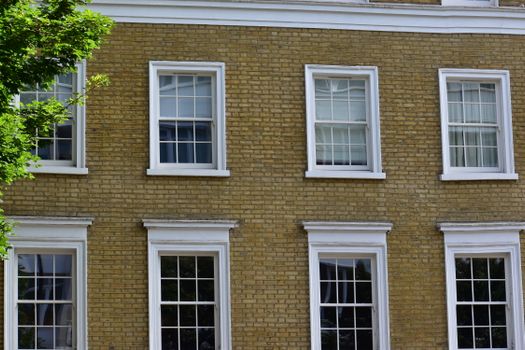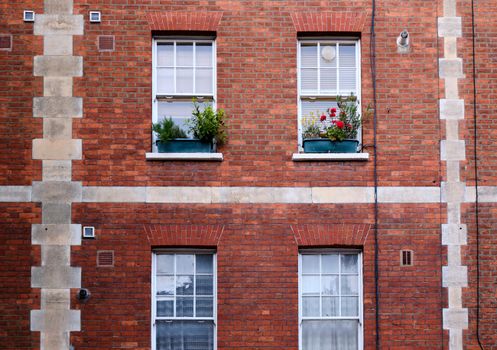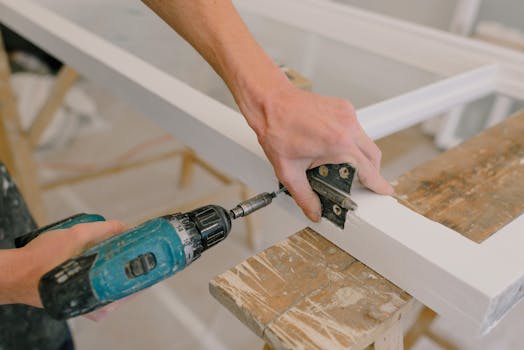
The Victorian era (1837–1901) left a lasting architectural legacy across the UK and beyond, with one of its most beloved features being the iconic sash window. These elegant windows, with their sliding panels and intricate glazing bars, are a hallmark of period properties, offering both timeless beauty and practical ventilation. However, after more than a century of exposure to the elements, even the sturdiest Victorian sash windows can require renovation. Restoring these windows properly is crucial—not only for aesthetics but also for energy efficiency, property value, and heritage preservation.
This comprehensive guide will walk you through the essential steps, decisions, and considerations involved in the proper renovation of Victorian sash windows. Whether you’re a homeowner, renovator, or heritage enthusiast, understanding the right approach will help you maintain authenticity while upgrading performance.
Understanding the Anatomy of Victorian Sash Windows
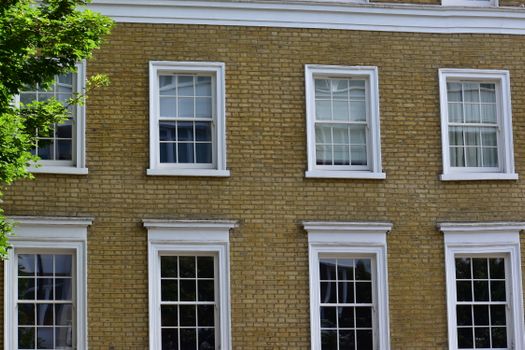
Before embarking on renovation, it’s vital to understand what makes Victorian sash windows unique. The classic Victorian sash typically features:
.png) - Two movable panels (sashes) that slide vertically
- Multiple small glass panes divided by slender glazing bars (often 2 over 2, 4 over 4, or 6 over 6 panes)
- Box frames with hidden counterweights (often cast iron or lead)
- Traditional joinery, often in durable softwood like pine or Baltic timber
- Two movable panels (sashes) that slide vertically
- Multiple small glass panes divided by slender glazing bars (often 2 over 2, 4 over 4, or 6 over 6 panes)
- Box frames with hidden counterweights (often cast iron or lead)
- Traditional joinery, often in durable softwood like pine or Baltic timber
These design features were not only aesthetic but also practical, allowing for improved airflow in crowded urban settings. However, over time, common problems arise: warped or rotten wood, rattling panes, stuck sashes, and draughts due to worn seals.
In the UK alone, it’s estimated that over 6 million original sash windows survive in period homes (Historic England, 2021). Yet, up to 70% have suffered from poor maintenance or unsympathetic alterations, risking both their function and historic value.
Why Proper Renovation is Essential for Victorian Sash Windows
Renovating a Victorian sash window is not simply about making it look good—it’s about safeguarding an irreplaceable piece of history. Done correctly, renovation can:
- Extend the life of original windows by 50–100 years - Improve energy efficiency by up to 30% (English Heritage, 2014) - Retain or increase property value; period homes with original features can command premiums of 10–15% (Rightmove, 2023) - Ensure compliance with local conservation requirementsOn the other hand, improper renovation—such as using modern uPVC replacements or heavy-handed repairs—can strip a property of its character and, in conservation areas, even result in legal penalties.
Step-by-Step Guide to Renovating Victorian Sash Windows Properly
A thorough renovation involves more than a quick coat of paint. Here’s a systematic process:
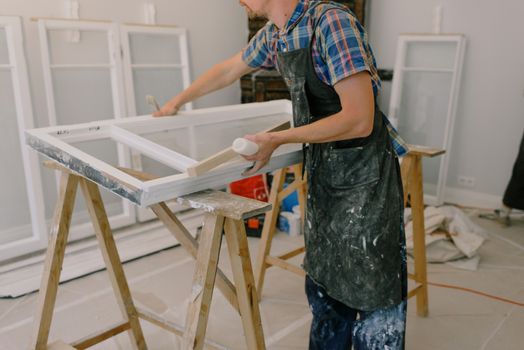
1. $1 - Inspect for rot, damage, and previous repairs. Use a moisture meter on timber and look for soft spots. - Take photographs and measurements for reference and to ensure restoration matches original profiles. 2. $1 - Carefully remove the sashes from the frame. Label each part to record its location. - Remove old paint using gentle chemical strippers or infrared paint removers to avoid damaging the wood. 3. $1 - Assess which parts can be repaired. For small areas of rot, use epoxy wood filler. - For larger sections, splice in matching timber using scarf joints. Avoid replacing full sashes unless absolutely necessary. 4. $1 - Replace cracked or missing panes with matching period glass (where possible, use cylinder or crown glass for authenticity). - Reseal panes with traditional linseed oil putty, which remains flexible and allows for timber movement. 5. $1 - Replace or lubricate pulleys and cords. Original brass or cast iron pulleys can often be cleaned and reused. - Check and adjust counterweights so sashes move smoothly and stay open. 6. $1 - Install discreet draught-proofing strips in the staff and parting beads—modern silicone or brush seals can reduce air leakage by up to 86% without altering appearance. - Prime and repaint using high-quality breathable paints. - Reinstall ironmongery, such as fasteners and lifts, ensuring they suit the period style.Modern Upgrades Without Sacrificing Authenticity
Preserving the historic look doesn’t mean you can’t improve comfort or efficiency. Modern techniques allow you to enhance performance while respecting the window’s heritage:
- $1: Specialist firms now offer double-glazed units just 11–14mm thick, which can fit into original sash frames. These units offer U-values as low as 1.2 W/m²K (compared to single glazing’s 5.0–6.0 W/m²K) while maintaining a period appearance. - $1: Installing an internal secondary glass panel can improve thermal and acoustic insulation by up to 60%, and is fully reversible. - $1: Modern, environmentally friendly paints protect timber without sealing in moisture, allowing the wood to breathe and reducing the risk of future decay.Here’s a comparison of common upgrade options:
| Upgrade Option | Energy Savings | Cost Range (per window) | Appearance Impact |
|---|---|---|---|
| Slimline Double Glazing | Up to 65% | £800–£1,400 | Minimal, if done well |
| Secondary Glazing | Up to 60% | £350–£700 | Invisible from outside |
| Draught-proofing Only | Up to 86% air leakage reduction | £150–£300 | None |
Common Pitfalls to Avoid in Victorian Sash Window Renovation
Even the best intentions can lead to costly mistakes. Watch out for these frequent errors:
- $1: Replacing whole sashes or frames when only small repairs are needed wastes original material and can harm value. - $1: Using uPVC, modern hardwoods, or non-breathable paints can cause condensation and rot. - $1: Mismatched glazing bars, thick double glazing, or inappropriate ironmongery can spoil the window’s look. - $1: In conservation areas and listed buildings, unapproved changes can result in fines or forced reinstatement.A 2022 survey by The Victorian Society found that 58% of period homeowners regretted using contractors unfamiliar with heritage techniques. Always seek specialists with experience in sash window restoration and check for memberships in organizations like the Guild of Master Craftsmen.
Cost Considerations and Planning Your Renovation
Renovating Victorian sash windows is an investment, but one that pays dividends in energy bills, comfort, and property value. Here’s what to expect:
- $1 (repairs, draught-proofing, repainting): £250–£500 per window - $1 (including splicing, glazing, and hardware): £600–£1,200 per window - $1: £1,000–£1,800 per windowTimelines can vary: a single window may require 2–4 days for a full restoration, while a whole house (8–12 windows) can take several weeks, depending on condition and weather.
It’s wise to get at least three written quotes and check references. Many reputable companies offer warranties of up to 10 years on their work.
Preserving the Past While Embracing the Future
Victorian sash windows are more than just architectural features—they’re tangible connections to craftsmanship and history. Proper renovation not only preserves their beauty but also adapts these windows to modern living standards. By combining careful repair, respectful upgrades, and attention to detail, you can ensure your period home remains comfortable, efficient, and full of character for generations to come.
Whether you choose to undertake the work yourself or hire professionals, always prioritise authenticity and long-term resilience. The result will be windows that continue to captivate, protect, and add value well into the future.