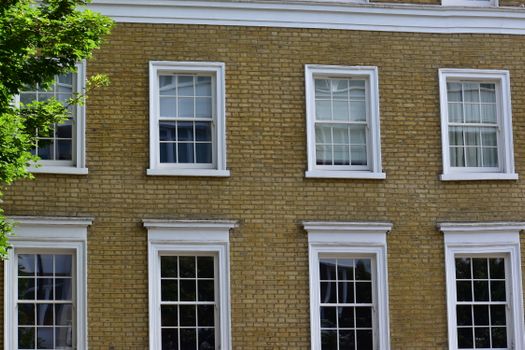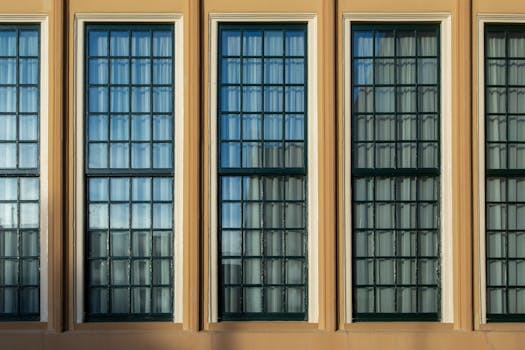
Sliding sash windows, beloved for their timeless elegance, have adorned homes in the UK since the 17th century. Today, these windows remain a defining feature of both classic townhouses and period cottages. Yet, as building standards and homeowner expectations have evolved, so have the demands placed on these architectural icons. Modern requirements—ranging from energy efficiency and security to ease of use and sustainability—pose new challenges and opportunities for adapting sliding sash windows. Whether you own a listed property or a newer home with traditional features, understanding how to effectively modernize sliding sash windows is essential to balance heritage charm with contemporary comfort and performance.
The Changing Demands on Sliding Sash Windows
Sliding sash windows were originally designed for the needs of their era: maximizing ventilation, allowing easy cleaning, and showcasing craftsmanship. However, 21st-century living introduces new criteria:
- Energy efficiency: With energy bills rising—UK households saw an average 54% increase in 2022—insulation and draught-proofing are critical. - Security: Modern insurance and personal safety standards require robust window locks and toughened glass. - Soundproofing: Urban environments are noisier than ever, with London’s average daytime noise levels at 68 dB. - Accessibility: Users expect smooth operation, even for upper-floor windows or those used by people with limited mobility. - Sustainability: Homeowners are increasingly conscious of the environmental footprint of materials and renovations.Meeting these demands while respecting the character of sash windows requires a strategic approach, blending technological advances with careful craftsmanship.
.png)
Glazing Upgrades: Balancing Heritage and Performance
Perhaps the most significant adaptation for modern sash windows is upgrading glazing. Traditional single glazing, typically just 3-4 mm thick, offers minimal insulation. In fact, single-glazed sash windows can lose up to 30% of a home’s heat. To address this, various glazing options are available:
- Double glazing: Two panes of glass separated by an inert gas (usually argon), reducing heat loss by up to 50% compared to single glazing. - Slimline double glazing: Specially designed for period properties, slimline units are just 11-14 mm thick and can fit original sash profiles. - Secondary glazing: An independent internal frame with a glass pane, ideal for listed buildings where changing the original windows is prohibited.Each option has its pros and cons, as shown below:
| Glazing Type | Thermal Efficiency (U-value) | Suitability for Heritage Buildings | Cost Estimate (per window) |
|---|---|---|---|
| Standard Double Glazing | ~1.2 W/m²K | Low | £400-£600 |
| Slimline Double Glazing | ~1.5-1.8 W/m²K | High | £700-£1,000 |
| Secondary Glazing | ~1.8-2.0 W/m²K | Very High | £250-£400 |
For listed or conservation-area properties, slimline double glazing or secondary glazing provides a balance between improved insulation and compliance with planning regulations. Always consult with your local planning authority before making substantial changes.
Modern Materials: Innovations Beyond Timber
Traditional sash windows are constructed from timber, prized for its beauty but prone to rot and warping if neglected. Modern requirements have spurred the development of alternative materials:
- Engineered (laminated) timber: Resists warping and swelling, with a lifespan up to 60 years if properly maintained. - uPVC (unplasticised polyvinyl chloride): Low maintenance, weather-resistant, and available in woodgrain finishes. In 2023, over 40% of new sash windows in the UK were uPVC. - Aluminium: Strong, lightweight, and almost maintenance-free, with powder-coated finishes that mimic wood.Each material offers distinct advantages:
| Material | Longevity | Maintenance Needs | Environmental Impact |
|---|---|---|---|
| Traditional Timber | 30-40 years | High (regular painting, repairs) | Renewable, biodegradable |
| Engineered Timber | Up to 60 years | Medium (less prone to defects) | Sustainable with FSC sourcing |
| uPVC | 20-35 years | Low (occasional cleaning) | Non-renewable, recyclable |
| Aluminium | 40-50 years | Very low | Highly recyclable, energy-intensive to produce |
For period properties, engineered timber maintains authenticity while offering better performance. For modern homes or where maintenance is a concern, uPVC and aluminium options deliver excellent durability and insulation.
Security and Accessibility Upgrades
Original sliding sash windows were designed in an era when security concerns were minimal. Today, window security is a top priority for insurance providers and homeowners alike. Upgrades include:
- Reinforced locks: Modern sash window locks, such as dual-cam locks or travel restrictors, provide robust resistance to forced entry and meet British Standard BS 3621. - Toughened or laminated glass: Increases resistance to breakage and meets safety regulations for windows below 800 mm from the floor. - Sash stops or restrictors: Prevent the window from opening more than 100 mm, reducing the risk of accidental falls, especially important for homes with children.Accessibility is another key consideration. Smooth-running balances (replacing traditional sash cords with spring or spiral balances) make opening and closing sashes effortless. For properties with elderly residents or those with disabilities, remote-controlled or automated sash window systems are now available, allowing operation at the touch of a button.
Sustainability: Eco-Friendly Choices for the Future
With UK homes responsible for 14% of the nation’s greenhouse gas emissions (2021), sustainability is more than a trend—it’s a necessity. When adapting sash windows for modern requirements, consider the following:
- FSC-certified timber: Ensures wood is sourced from responsibly managed forests. - Recycled materials: Many uPVC and aluminium windows now incorporate recycled content, reducing resource extraction. - Draught-proofing: A simple yet highly effective upgrade, draught-proofing can reduce heat loss through sash windows by up to 86%, and pays for itself in energy savings within 2-4 years. - Repair, not replace: Where possible, repair original windows rather than replacing them. Retrofitting with new seals, insulated glazing, and sustainable paints preserves both heritage and resources.Sustainable choices not only benefit the environment but can also enhance your home’s value. According to a 2022 UK estate agents’ survey, energy-efficient period homes sell 14% faster and for up to 7% more than less efficient equivalents.
Integrating Smart Home Technology
Adapting sliding sash windows doesn’t mean sacrificing modern convenience. The rise of smart home technology allows homeowners to monitor and control their windows remotely. Key innovations include:
- Smart sensors: Detect whether windows are open or closed, sending alerts to your smartphone. - Automated window openers: Allow for timed or climate-responsive ventilation, improving indoor air quality and comfort. - Integration with security systems: Link sash window sensors to your home alarm, triggering alerts if a window is tampered with.These features can be retrofitted discreetly, preserving the classic appearance of sash windows while providing 21st-century functionality.
Final Thoughts on Adapting Sliding Sash Windows to Modern Needs
Sliding sash windows are an integral part of British architectural heritage, cherished for their style and craftsmanship. Yet, to meet modern living standards, adaptation is both possible and desirable. Whether through advanced glazing, innovative materials, enhanced security, or smart technology, there are myriad ways to upgrade sash windows without compromising their historic character. Each property and homeowner will have unique priorities—energy efficiency, sustainability, ease of use, or security—but with thoughtful planning and expert guidance, sliding sash windows can delight for generations to come.