Selecting the Perfect Sliding Sash Windows for Heritage Buildings in London: A Comprehensive Guide
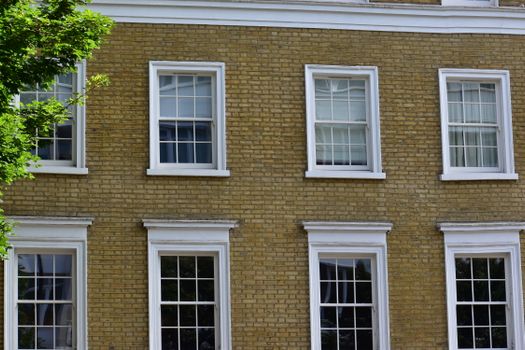
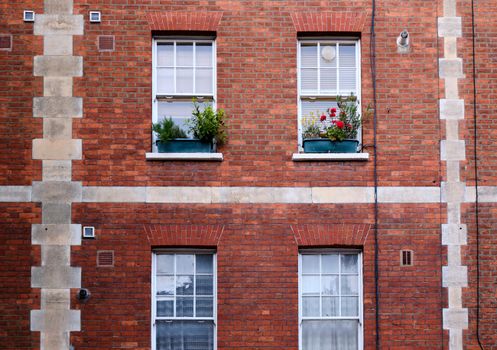
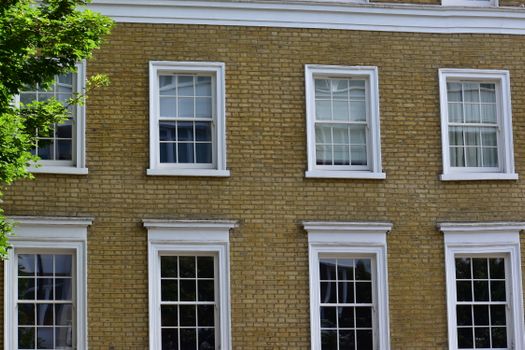
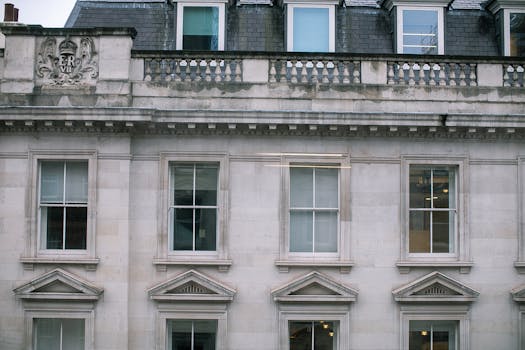
London’s architectural landscape is renowned for its historic charm, boasting a wealth of heritage buildings that date back centuries. One of the most distinctive features of these properties is their traditional sliding sash windows. Whether you own a Georgian townhouse in Bloomsbury or a Victorian terrace in Kensington, choosing the right replacement or restoration sash windows is crucial—not only for preserving character, but also for meeting legal, aesthetic, and performance standards. This guide will walk you through the vital considerations, regulations, and innovations to ensure your heritage property maintains its authentic beauty while offering modern comfort.
The Unique Challenges of Heritage Windows in London
Heritage buildings in London are protected by strict conservation regulations. Over 600,000 buildings in England are listed, with a large concentration in the capital. In many boroughs, especially Westminster, Camden, and Islington, any alterations to windows require planning consent and must adhere to guidelines set by Historic England and local authorities.
.png)
One of the biggest challenges is balancing the need for improved insulation and ease of use with the imperative to maintain original features. Many period sash windows were constructed over a century ago with hand-crafted joinery and single glazing. Unfortunately, these originals can be draughty, prone to rot, and energy-inefficient. However, replacing them with modern windows that lack authentic design details can devalue a property or even breach planning law.
Choosing the right sliding sash windows, therefore, involves careful consideration of heritage aesthetics, regulatory compliance, material quality, and modern performance.
Understanding Conservation and Listed Building Requirements
If your property is listed or within a conservation area, you cannot simply replace your windows with any model from a catalogue. The UK government’s Planning (Listed Buildings and Conservation Areas) Act 1990 gives local councils the power to approve or refuse changes that affect a building’s character. In London, 30% of all homes are in conservation areas, illustrating how common these restrictions are.
Key requirements typically include:
- Faithful replication of original window profiles, including glazing bars, horn details, and sash proportions - Use of appropriate materials such as timber (not uPVC, which is rarely acceptable) - Preservation of original glass where possible, or use of period-appropriate alternatives - Use of traditional joinery techniquesFor listed buildings, even minor repairs may require Listed Building Consent. Fines for unauthorized work can exceed £20,000, and councils can demand the removal of non-compliant windows.
Before starting, always consult:
- Your local council’s conservation officer - Historic England’s guidance - The UK government's Planning Portal for window worksAuthentic Materials: Timber vs. Alternatives for Heritage Sash Windows
Timber has been the material of choice for sash windows since their introduction in the late 17th century. For heritage projects, the choice of material remains critical.
| Material | Authenticity | Longevity | Maintenance | Energy Efficiency |
|---|---|---|---|---|
| Traditional Timber (Softwood) | High | 25-40 years (with maintenance) | Annual painting/staining | Moderate (with single glazing) |
| Accoya® Modified Wood | Very High | 50+ years | Low (stable, rot-resistant) | High (with double glazing) |
| Engineered Wood | High | 40-60 years | Lower than softwood | Good |
| uPVC | Low (not usually permitted) | 20-30 years | Minimal | High |
| Aluminium (timber look) | Moderate | 30-40 years | Minimal | High |
Accoya® and engineered woods are increasingly popular for heritage window projects because they combine the look of traditional timber with superior durability and thermal performance. They can be finished to perfectly match historic profiles, and are less prone to warping or decay.
uPVC and aluminium, while offering good insulation and low maintenance, are rarely permitted in conservation settings due to their artificial finishes and bulkier sections, which can spoil the look of period facades.
Glazing Options: Balancing Heritage Aesthetics with Modern Comfort
Glazing is a hot topic for heritage window selection in London’s climate, where energy bills are rising and sustainability is key. Original sash windows were fitted with single glazing, which offers little insulation against heat loss or noise. According to Historic England, up to 20% of a period home’s heat loss can occur through single-glazed windows.
Common options include:
- $1: Still required in some Grade I/II* listed properties for strict authenticity, but offers the lowest insulation (U-value typically 5.0 W/m²K). - $1: Advances in glazing technology mean ultra-thin double-glazed units (as thin as 11mm) can now be fitted to replicate the look of single glass while improving insulation (U-value down to 1.5-1.8 W/m²K). - $1: Useful in central London to reduce noise, while still maintaining a period appearance. - $1: An unobtrusive internal panel that can be fitted behind the original sash, preserving external appearance while boosting thermal and acoustic performance.Always check what your local authority allows. Many now accept slimline double glazing in conservation areas if the sightlines and putty lines are authentic.
Craftsmanship and Detailing: The Hallmarks of Quality Heritage Windows
Not all sash windows are created equal. The finest heritage replacements are distinguished by their attention to detailing, joinery quality, and hardware finishes. Look for:
- $1: Replicating the slender muntins of Georgian or Victorian windows, rather than the “fake” bars found on cheaper windows - $1: Many Victorian and Edwardian windows feature ornate horns, which should be precisely matched - $1: Authentic box frames, with weights and pulleys, rather than spring balances, are preferred for period accuracy - $1: Mortise and tenon joints, tight mitres, and smooth scribed curves - $1: Polished brass or pewter catches, sash lifts, and restrictors that echo historic stylesA reputable sash window specialist should be able to show you samples, past projects, and references from heritage property owners.
Environmental Performance and Sustainability in Heritage Window Choices
Modern building standards and sustainability considerations are increasingly relevant, even in heritage contexts. In London, where heating costs can be significant, improving the thermal efficiency of heritage windows is a priority.
Some key facts:
- Upgrading single glazing to high-performance slimline double glazing can reduce heat loss by up to 70% - Draught-proofing original sash windows can lower heating bills by up to £160 per year (according to the Energy Saving Trust) - Using FSC-certified or PEFC-certified timber ensures responsible sourcing and supports environmental best practiceAdditionally, many London boroughs now offer grants or incentives for energy-efficient upgrades to heritage homes, provided the works are sympathetic to period character.
Making the Right Choice: Steps to Success with Heritage Sash Windows
To ensure you choose the right sliding sash windows for your London heritage building, follow these step-by-step recommendations:
1. $1: Determine if your building is listed, in a conservation area, or subject to any Article 4 Directions that restrict permitted development. 2. $1: Engage with your local conservation officer and seek advice from heritage architects or experienced sash window specialists. 3. $1: Opt for high-quality timber (Accoya® or engineered wood is ideal) and insist on authentic joinery. 4. $1: Where possible, specify slimline double glazing or secondary glazing for comfort, making sure it meets council approval. 5. $1: Secure all necessary planning consents and ensure your contractor is familiar with heritage regulations. 6. $1: Choose manufacturers and installers with a proven track record in heritage projects and ask to see case studies in similar London properties.This careful approach will help safeguard your property’s value, protect its historic character, and deliver modern comfort.
Preserving London’s Heritage: Your Role in Architectural Legacy
Choosing the right sliding sash windows for heritage buildings in London is not simply a matter of aesthetics—it’s about preserving history for future generations. The best outcomes combine meticulous research, skilled craftsmanship, and respect for both the past and present demands of urban living. By making informed decisions and working with specialists, you can ensure your sash windows will delight for decades to come—while enhancing your home’s value, comfort, and environmental performance.