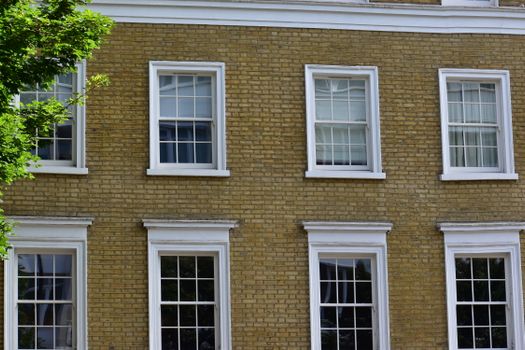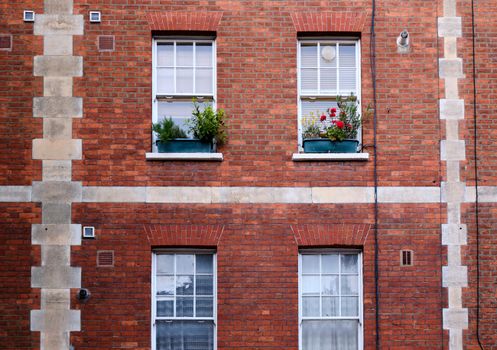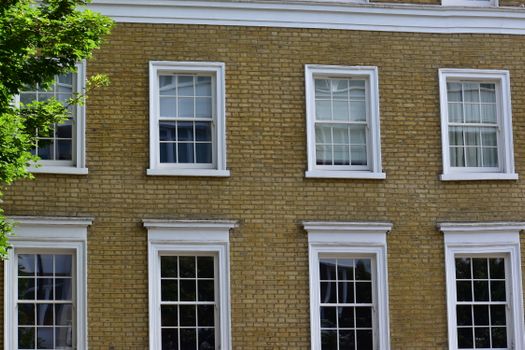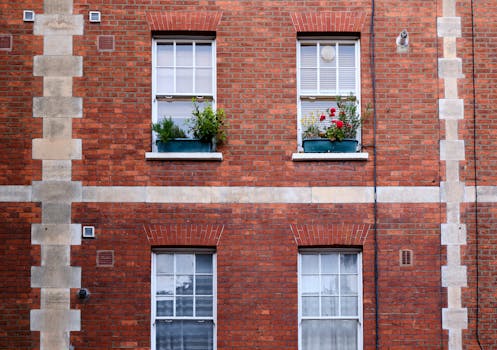
Sliding sash windows are a defining feature of historic buildings, gracing countless Georgian, Victorian, and Edwardian properties across the UK and beyond. Their elegant proportions and craftsmanship contribute significantly to a building’s character. However, traditional sliding sash windows are notorious for their poor insulation. As energy efficiency standards rise and heating costs soar, owners and caretakers of historic properties face the challenge of improving comfort and efficiency—without compromising heritage value.
Successfully insulating sliding sash windows in historic buildings requires a sensitive, informed approach. This article explores advanced strategies, innovative materials, and practical considerations to help you upgrade your windows while safeguarding their period charm.
The Unique Challenges of Insulating Historic Sliding Sash Windows
Historic sash windows were designed in an era before double glazing and modern draughtproofing. The single-pane glass, slender frames, and deliberate gaps for sliding action lead to significant heat loss. According to Historic England, traditional sash windows can account for up to 30% of a building’s total heat loss.
.png)
However, retrofitting insulation isn’t straightforward. Many historic buildings are listed or in conservation areas, where alterations are strictly controlled. Standard solutions like uPVC replacements or modern double glazing may not be permitted. Even secondary glazing must be carefully designed to avoid harming original features.
Key challenges include:
- Preserving original timber, glass, and ironwork - Complying with planning and conservation regulations - Avoiding condensation and trapped moisture, which can damage historic fabric - Ensuring any intervention is reversibleUnderstanding these constraints is the first step to a successful insulation project.
Advanced Draughtproofing: The First Line of Defence
Often, the most cost-effective and reversible way to insulate sliding sash windows is comprehensive draughtproofing. Historic windows are especially prone to air leakage due to worn-out putty, loose joints, and the gaps essential for their sliding mechanism.
Modern draughtproofing solutions include:
- Brush or pile seals, discreetly fitted into the staff and parting beads - Flexible silicone or rubber strips, custom-milled for sash profiles - Magnetic or compression seals for more stubborn gapsResearch by English Heritage has shown that high-quality draughtproofing can reduce air leakage by up to 86%. This translates to an annual energy saving of £25-£50 per window—substantial when multiplied across an entire property.
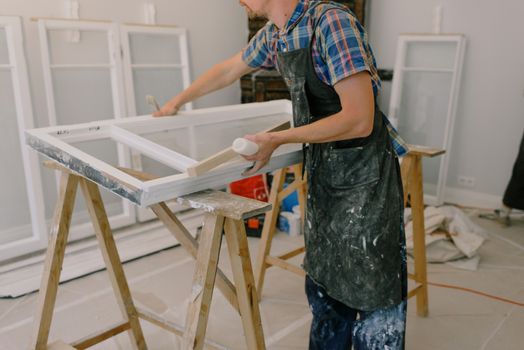
Professional restoration firms can often retrofit these draughtproofing systems during routine repairs, ensuring that sashes slide smoothly and the appearance remains unchanged. Importantly, these measures are typically reversible and do not affect the historical integrity of the window.
Secondary Glazing: Discreet, Effective, and Approved
When greater thermal performance is required, secondary glazing is a proven solution compatible with most historic buildings. Unlike replacement windows, secondary glazing involves installing a discreet, removable panel inside the existing sash. This creates an insulating air gap, dramatically improving performance while leaving the original window untouched.
Benefits include:
- Up to 60% reduction in heat loss (according to the Energy Saving Trust) - Significant improvement in acoustic insulation - Full reversibility—important for listed properties - Minimal visual impact when professionally fittedSecondary glazing panels can be custom-made to follow the lines of arched or curved sash windows. Modern systems use slim, unobtrusive aluminium frames and high-performance glass, including low-emissivity (Low-E) coatings for further efficiency.
A key advantage is that secondary glazing rarely requires planning permission. However, always consult your local authority or a conservation officer before installation.
Innovative Glazing Technologies for Heritage Sashes
For owners seeking the ultimate in insulation—while preserving original glass and frames—a new generation of ultra-thin double glazing and specialist glass products have emerged.
Options include:
- Slim-profile double glazing: Units as thin as 12mm can now be fitted into existing sash frames. These use inert gas fills and warm-edge spacers to deliver U-values as low as 1.4 W/m²K (compared to 5.0 W/m²K for single glazing). - Vacuum glazing: Pioneered by manufacturers like Pilkington, vacuum-insulated glass units are just 6-8mm thick and offer thermal performance approaching that of conventional double glazing. - Low-E glass: This special coating reflects heat back into the room, greatly improving insulation without altering appearance.However, installing these products in historic windows is complex. The increased weight may require reinforcement of sash cords or weights. Planning approval is almost always needed for listed buildings.
The table below compares common glazing options for historic sash windows:
| Glazing Type | Typical U-value (W/m²K) | Planning Permission | Reversibility | Estimated Cost per Window (£) |
|---|---|---|---|---|
| Single (historic) | 5.0 | No | Not applicable | 0 (existing) |
| Draughtproofing | 4.8 | No | Yes | 50-150 |
| Secondary Glazing | 1.8-2.7 | Rarely | Yes | 250-400 |
| Slim Double Glazing | 1.4-1.9 | Often | No | 600-1,200 |
| Vacuum Glazing | 0.7-1.2 | Often | No | 900-1,800 |
As the table shows, secondary glazing offers the best balance of efficiency, reversibility, and cost for most historic properties.
Moisture, Ventilation, and Long-Term Protection
Insulation measures can inadvertently trap moisture, leading to condensation or decay of historic timbers. Managing moisture is as important as improving thermal performance.
Key strategies include:
- Ensuring that any seals or glazing systems allow for adequate ventilation. Historic buildings “breathe”—completely sealing windows can create damp problems elsewhere. - Using moisture-resistant linseed oil putty for glazing repairs - Installing trickle vents or small ventilation slots (with conservation approval) to allow controlled airflow - Regularly inspecting timber for signs of damp or rot, particularly after insulation upgradesAccording to the Society for the Protection of Ancient Buildings (SPAB), up to 70% of timber window repairs are due to moisture-related neglect, not age. Ongoing maintenance is crucial for both insulation and preservation.
Professional Assessment and Conservation Guidance
Every historic building is unique. Before embarking on any insulation work, it’s advisable to commission a survey from a specialist in heritage windows. They can assess:
- The condition of existing timbers, glazing, and hardware - The building’s exposure to wind, rain, and temperature extremes - The potential impact of different insulation measures on the building’s characterLocal authority conservation officers and heritage organizations can provide additional guidance. In the UK, Historic England, the National Trust, and SPAB publish detailed technical advice and often run workshops for homeowners.
For listed buildings, obtaining Listed Building Consent is a legal requirement for most insulation works beyond basic repairs. Failure to comply can result in costly enforcement action and loss of historic value.
Final Thoughts on Insulating Sliding Sash Windows in Historic Buildings
Insulating sliding sash windows in historic buildings is a balancing act between comfort, energy efficiency, and conservation. By choosing sensitive, reversible measures such as draughtproofing and secondary glazing, it’s possible to achieve significant improvements without compromising heritage value.
Innovative technologies now offer even greater performance, but always consult with experts and seek necessary permissions before proceeding. Remember: the goal is to safeguard your building’s legacy while making it fit for modern living.