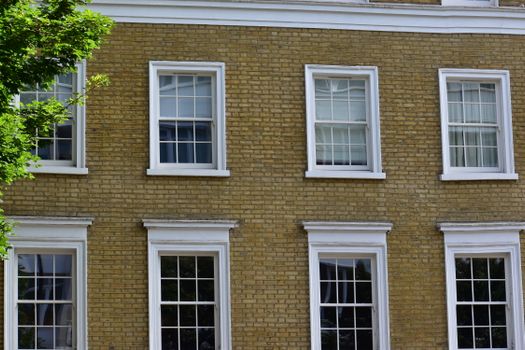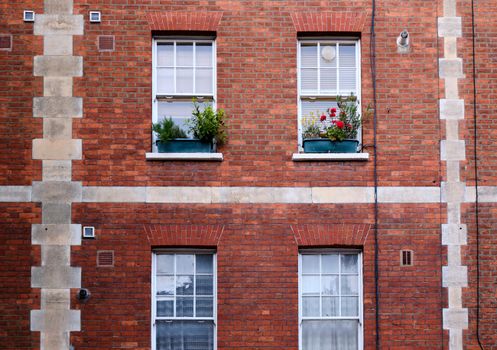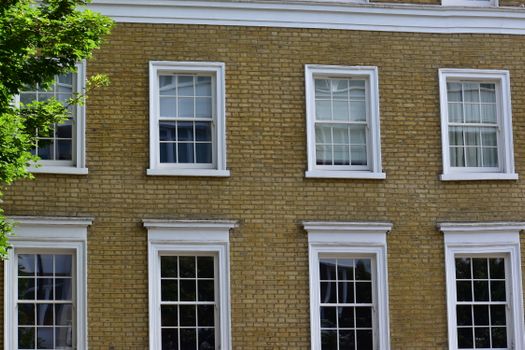
Sash windows are an iconic feature of London’s architectural landscape, especially in its many conservation areas. These elegant, vertically sliding windows have adorned Georgian, Victorian, and Edwardian homes for centuries, offering both aesthetic appeal and practical ventilation. However, renovating sash windows in London’s conservation areas is far from straightforward. Homeowners and property developers must navigate a complex web of planning regulations, heritage requirements, and technical challenges to preserve the city’s historic charm. Whether you’re restoring original sashes or installing new ones, understanding what to expect is key to a successful—and compliant—renovation.
The Unique Challenge of Sash Windows in London’s Conservation Areas
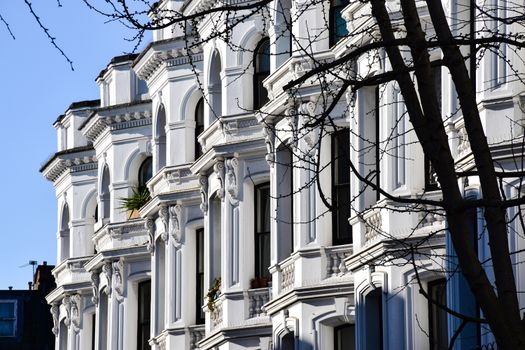
London boasts over 1,000 designated conservation areas, protecting the character and history of entire neighbourhoods. These zones cover approximately 20% of the city’s built environment, including popular districts like Kensington, Hampstead, and Greenwich. In such areas, sash windows are not just a functional feature—they are a protected part of the architectural heritage.
Renovating sash windows in these settings is subject to rigorous oversight. Local councils aim to ensure that any changes do not detract from the area’s historic value. As a result, homeowners often need to apply for planning permission or listed building consent before making alterations—even for seemingly minor upgrades. Failure to comply can result in enforcement action, fines, or costly remedial work to undo unauthorized changes.
.png)
According to Historic England, roughly 25% of sash windows in conservation areas have been lost or unsympathetically altered since the 1970s, underscoring the importance of strict controls. If you own or manage property in one of these areas, expect a renovation process that is both rewarding and regulated.
Planning Permissions and Legal Requirements: What You Need to Know
Before you even think about hiring contractors or buying materials, it’s essential to understand the legal framework governing sash window renovations in conservation areas. Here are the main considerations:
1. $1 - If you wish to replace, alter, or even repair sash windows in a conservation area, planning permission may be required—especially if the appearance will change. - According to the Greater London Authority, 72% of planning applications in conservation areas involve window alterations, making this one of the most common—and frequently scrutinized—types of work. 2. $1 - If your property is also a listed building (Grade I, II*, or II), any changes to the windows, even repairs, require listed building consent. This applies to both external and internal features. - Unauthorized work on a listed building is a criminal offense, carrying the risk of prosecution and unlimited fines. 3. $1 - Some conservation areas are covered by Article 4 Directions, which remove certain permitted development rights. This means even minor window repairs or replacements could require formal approval. 4. $1 - While heritage is a priority, building regulations concerning energy efficiency, safety, and ventilation still apply. Balancing these requirements with conservation rules can be challenging.It’s advisable to consult your local authority’s conservation officer early in the process. They can clarify which permissions are necessary and guide you towards compliant solutions.
Materials, Techniques, and Heritage Standards
One of the defining aspects of sash window renovation in London’s conservation areas is the emphasis on preserving original materials and craftsmanship. Councils and heritage bodies expect any work to be “like-for-like” wherever possible. Here’s what that means in practice:
- $1 Traditional box sash windows are typically constructed from high-quality softwood or hardwood. While modern PVCu windows are cheaper and more energy-efficient, they are rarely approved in conservation areas due to their appearance and lack of authenticity. - $1 Original windows often feature single glazing or thin, hand-blown glass. Double glazing is generally discouraged unless it can be achieved without altering the window’s appearance (e.g., slimline heritage glazing). - $1 The width of glazing bars, sash horns, and other decorative features must match the originals. Machine-made or mass-produced windows may not gain approval if they lack the fine joinery details of traditional sashes. - $1 Many councils recommend or require the use of breathable, microporous paints to protect historic timber.The goal is to retain as much of the original fabric as possible. Where replacement is unavoidable due to rot or damage, new components must match the originals in every visible aspect.
Cost Expectations and Timelines: Budgeting for Conservation Area Renovations
Renovating sash windows in a conservation area is often more expensive than similar work in non-designated zones. The need for specialist materials, skilled craftsmen, and compliance with strict regulations all contribute to higher costs and longer project timelines.
Here’s a comparative overview:
| Aspect | Conservation Area Renovation | Standard Renovation |
|---|---|---|
| Average Cost per Window | £1,200–£2,500 | £700–£1,200 |
| Lead Time for Permissions | 6–12 weeks | 1–2 weeks |
| Choice of Materials | Traditional timber, heritage glass | Any (including PVCu, modern glass) |
| Typical Timeline (per window) | 2–4 weeks | 1–2 weeks |
| Specialist Craftspeople Required | Yes, often listed or accredited | Not always |
These figures are based on 2023 data from the Federation of Master Builders and several leading London sash window specialists. Budgeting for both the direct and indirect costs—including planning fees and potential delays—is crucial.
Choosing the Right Specialist: Accreditation, Experience, and Reputation
Given the complexities involved, selecting a qualified sash window specialist is perhaps the single most important decision you’ll make. Here are some key factors to consider:
- $1 Look for contractors who are members of bodies like the Institute of Carpenters or the Guild of Master Craftsmen. Some may also hold heritage accreditations from the Listed Property Owners’ Club or Historic England. - $1 Prior experience with conservation area projects is invaluable. Ask for case studies or references from previous clients with similar properties. - $1 The best specialists will have established relationships with local conservation officers and be familiar with the documentation and standards expected by your borough council. - $1 Review examples of completed renovations, ideally in your area or similar property types. - $1 Given the value and sensitivity of historic windows, ensure your contractor carries adequate insurance and offers meaningful guarantees.Working with an expert not only ensures a higher quality finish but can also prevent expensive mistakes and delays in the approval process.
Balancing Heritage with Modern Efficiency
One of the biggest challenges faced by London homeowners is how to improve the energy efficiency and comfort of their homes without compromising historic character. While conservation rules are strict, there are approved methods to enhance performance:
- $1 Discreet draught-proofing systems can dramatically reduce heat loss and rattling without affecting appearance. According to English Heritage, draught-proofing can cut heat loss through sash windows by over 60%. - $1 Installing a slim, removable secondary pane inside the original window is often allowed in conservation areas, providing noise reduction and improved insulation. - $1 Retaining and repairing original timber frames is generally preferred over full replacement, as even well-maintained 100-year-old timber can outlast modern alternatives. - $1 In some cases, councils will permit the use of low-emissivity (Low-E) glass in place of standard glass, provided it does not alter the look of the window.Always check with your local authority before proceeding with any upgrades, as approval criteria can vary.
Renovating Sash Windows in London’s Conservation Areas: Key Takeaways
Renovating sash windows in London’s conservation areas is a rewarding but demanding process. The city’s commitment to preserving its unique historic character means that every detail—from the type of timber used to the size of glazing bars—matters. Homeowners must be prepared for careful planning, rigorous documentation, and potentially higher costs. However, the result is both a visually stunning home and the satisfaction of contributing to London’s living history.
If you’re contemplating a sash window renovation in a conservation area, start by researching your local authority’s requirements, budgeting realistically, and seeking out experienced specialists. The process may be more complex than standard window upgrades, but the long-term benefits—in terms of property value, energy efficiency, and community heritage—make it well worth the effort.