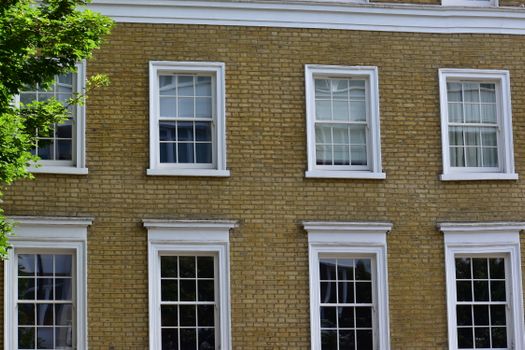
Sliding sash windows are a quintessential feature of London’s historic architecture, found in everything from Georgian terraces in Islington to Victorian townhouses in Kensington. With their traditional charm comes a unique set of repair challenges—especially in a city where conservation rules, weather, and urban living put extra demands on window maintenance. Knowing how to repair sliding sash windows properly isn’t just about aesthetics; it’s crucial for energy efficiency, security, and the preservation of London’s architectural heritage.
This guide will walk you through the essential steps and considerations for repairing sliding sash windows in London, highlighting local factors, recommended techniques, and the importance of balancing authenticity with modern performance. Whether you own a listed property or a more recent home featuring sash windows, understanding the nuances of repair will help you make informed decisions and protect your investment for years to come.
The Unique Challenges of Sliding Sash Windows in London
London’s climate, conservation rules, and building diversity all influence how sash windows should be repaired. Unlike other UK regions, the capital’s blend of old and new creates unique demands:
.png) - $1 Over 21% of London’s housing stock was built before 1919. Many sash windows are protected by conservation area or listed building status, meaning repairs must maintain original materials and appearance.
- $1 London’s air, heavy with soot and pollutants, accelerates wear on paint, putty, and timber. This often leads to rot, swelling, or stuck sashes.
- $1 City living requires windows to block noise and drafts more effectively than in rural areas, making proper repair (and sometimes discreet upgrades) essential for comfort.
- $1 Over 21% of London’s housing stock was built before 1919. Many sash windows are protected by conservation area or listed building status, meaning repairs must maintain original materials and appearance.
- $1 London’s air, heavy with soot and pollutants, accelerates wear on paint, putty, and timber. This often leads to rot, swelling, or stuck sashes.
- $1 City living requires windows to block noise and drafts more effectively than in rural areas, making proper repair (and sometimes discreet upgrades) essential for comfort.
These factors mean that a DIY approach, while tempting, can result in costly mistakes or even legal trouble. For the best results, repairs must combine traditional craftsmanship with modern techniques that respect both the building’s history and today’s living standards.
Assessing Damage: What to Check Before Repairing Sash Windows
A thorough assessment is the foundation of any successful sliding sash window repair in London. Before reaching for any tools or calling in professionals, examine your windows carefully for the following common issues:
1. $1 London’s damp climate often causes rot at the sill, bottom rail, and meeting rails. Use a screwdriver to gently probe suspect areas—softness indicates rot. 2. $1 Accumulated paint, warped timber, or broken cords can all prevent smooth movement. 3. $1 If sashes won’t stay open or slam shut, the cord or counterweight mechanism may have failed. 4. $1 Movement, age, or impact can cause panes to crack or loosen putty, compromising insulation and security. 5. $1 Gaps between the sashes and frame cause drafts and noise. Look for visible gaps, feel for cold air, or listen for rattles on windy days.Document your findings, as each issue may require a different approach or specialist skill.
Essential Tools and Materials for Sash Window Repair
Proper repairs start with the right equipment. Whether you’re hiring a professional or considering light DIY work, these are the most important tools and materials typically required:
- $1 Sash saw, chisels, glazing hammer, screwdrivers, sash cord, sash pulleys, utility knife, and a putty knife. - $1 Replacement sash cord (traditional cotton or nylon), window putty, glazing points, timber resin or wood filler, matching paint or stain, and weatherstripping. - $1 Safety glasses, gloves, dust mask (especially when dealing with old lead paint, which is common in pre-1970s London homes).If your property is listed or in a conservation area, always use materials that match the original as closely as possible. Modern alternatives like uPVC cords or acrylic-based fillers may not be permitted.
Step-by-Step Guide: How to Repair Sliding Sash Windows the Right Way
Repairing sash windows is a multi-stage process. Here’s an overview of the essential steps, with London-specific advice woven in:
1. $1 Remove the window stops and gently take out the sashes. In many London homes, the paint may be lead-based—use a dust mask and take precautions. 2. $1 Old, frayed cords are the most common cause of sticking or drooping sashes. Thread new cord through the pulley, attach to the sash weight, and secure to the sash. Traditional waxed cotton cord is often required for listed buildings. 3. $1 Use wood hardener on minor rot, or splice in new timber sections for larger areas. Avoid filling extensive rot—London’s damp can cause filler to fail. 4. $1 Replace cracked or missing panes, setting the glass with glazing points, then apply a smooth bead of linseed oil putty. Allow putty to skin before painting. 5. $1 Fit brush or compression seals to minimize drafts and rattles. For conservation areas, use discreet, reversible solutions. 6. $1 Reinstall the sashes, refit the stops, and apply two coats of microporous paint. This allows the wood to breathe—a crucial factor in London’s variable humidity.Professional repairers often complete this work in 1-2 days per window, depending on the extent of the damage.
Professional Repair vs. DIY: What’s Best for London Homes?
While many homeowners are tempted by DIY repairs, London’s unique building regulations and sash window complexity often mean professional help is the smarter option. Here’s a comparison of DIY and professional repair for London sash windows:
| Factor | DIY Repair | Professional Repair |
|---|---|---|
| Cost (per window, typical) | £50–£200 (materials only) | £250–£600 (including labour & materials) |
| Time Required | 6–12 hours per window | 1–2 days per window |
| Expertise Needed | High (joinery, glazing, painting) | Specialist knowledge, guaranteed work |
| Compliance with Heritage Rules | Risk of non-compliance | Experience with listed/conservation status |
| Result Longevity | Variable, depends on skill | Typically 10–20 years |
| Warranty | No warranty | Often 5–10 year guarantee |
For listed buildings or properties in conservation areas, professional repair is almost always necessary. Local sash window specialists understand the intricacies of London’s planning system and have access to authentic materials.
Maintaining Sliding Sash Windows After Repair
Proper maintenance is the key to long-lasting results and can significantly extend the intervals between major repairs. In London, this means more than a simple annual cleaning:
- $1 Check for paint failure, swelling, or sticking at least twice a year—especially after winter. - $1 Use the windows’ “night vent” position to prevent condensation, a major cause of timber decay in city homes. - $1 Apply a small amount of candle wax or specialist sash lubricant to the pulleys and cords to ensure smooth operation. - $1 Repaint every 5–7 years with breathable, microporous paint. Avoid modern acrylics unless approved for your building type. - $1 Remove dust and urban grime regularly; pollution in London can degrade paint and damage putty faster than in other regions.By following these steps, you’ll not only protect your investment but also help preserve London’s historic character.
Why Proper Sash Window Repair Matters for Londoners
Sliding sash windows are more than just a design feature; they are a vital element of London’s architectural identity. Done properly, repairs can:
- $1 Well-repaired sash windows can achieve U-values as low as 1.5 W/m²K (with secondary glazing), compared to over 5.0 W/m²K for neglected originals—a difference that can cut heating bills by up to 20%. - $1 Modern locking mechanisms, when discreetly fitted, can help reduce burglary risk—a key concern in London’s urban environment. - $1 Period homes with well-maintained original features command a 15–20% premium in London’s property market, according to Historic England. - $1 Repairing rather than replacing timber sash windows can save up to 80kg of CO2 per window, supporting London’s sustainability goals.By choosing the right repair method for your property, you not only safeguard your home’s value but also contribute to the preservation of the city’s unique streetscape.