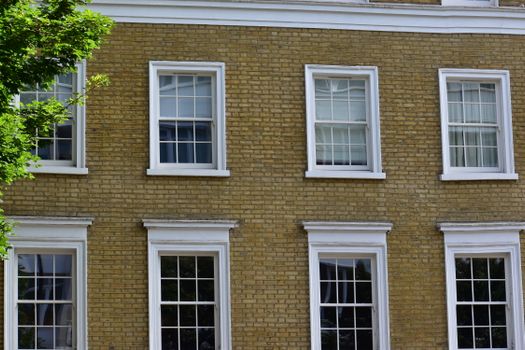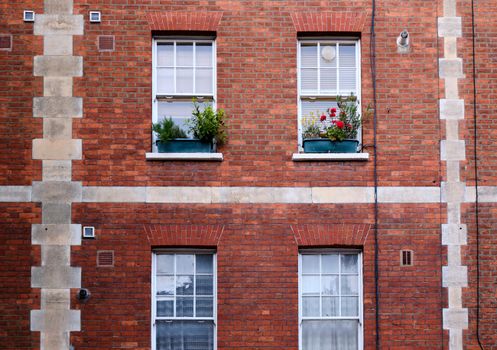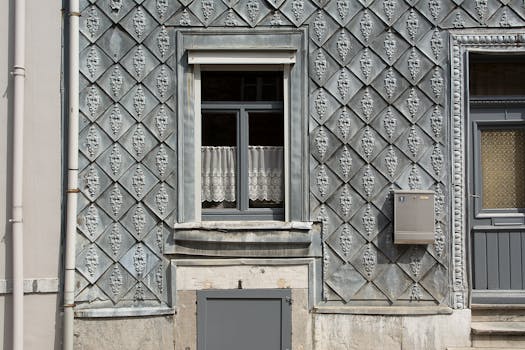
Victorian sash windows are iconic features of 19th-century British architecture, celebrated for their refined proportions, intricate joinery, and ability to fill rooms with natural light. However, after more than a century of use, many original Victorian sash windows suffer from rattling, draughts, rot, or flaking paint. The process of restoring these windows is both an art and a science, demanding a careful balance between preserving historical authenticity and meeting modern standards for comfort and efficiency. In this article, we’ll take a deep dive into the restoration journey, demystifying each stage, highlighting common challenges, and exploring why investing in the revival of Victorian sash windows is a rewarding endeavor.
The Enduring Legacy of Victorian Sash Windows
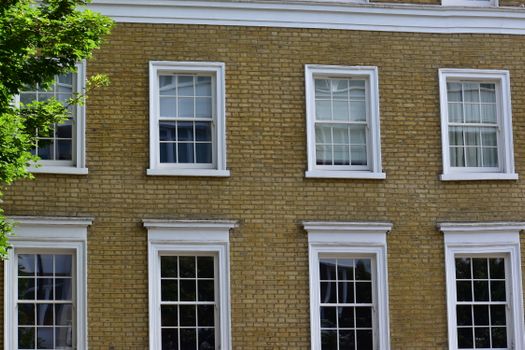
Victorian sash windows, typically made from slow-grown, durable pine or oak, were a hallmark of British homes built between 1837 and 1901. Their distinctive vertical sliding action, achieved by a system of counterweights and pulleys, set them apart from earlier Georgian designs. According to Historic England, more than 70% of homes built in the Victorian era featured sash windows, and many original windows survive today. Their longevity is a testament to the quality of Victorian joinery—but exposure to the elements, shifting buildings, and past repairs can leave them in need of expert attention.
Restoring Victorian sash windows is not just about aesthetics. Historic sashes are increasingly valued for their environmental sustainability: studies have shown that restoring and draught-proofing old timber windows can reduce heat loss by up to 86%, rivaling new double-glazed units in performance while preserving heritage fabric.
.png)
Initial Assessment: Diagnosing the Condition
Before any restoration work begins, a thorough assessment is essential. This step determines the extent of repairs needed and helps maintain as much original material as possible, a key principle in conservation.
Key aspects of the initial assessment include: - Timber condition: Is there active rot, insect infestation, or structural weakness? - Mechanism function: Do the sashes slide smoothly? Are the cords and weights intact? - Glazing: Is the original glass present? Are there cracks or missing putty? - Paintwork: Are there multiple layers of paint, flaking, or hazardous lead paint?A professional restorer may use moisture meters, probes, and visual inspection to gauge the depth of decay. In many cases, up to 80% of original window timber can be retained, with only localized repairs required.
Careful Dismantling: Preserving Every Detail
Restoration begins with the careful removal of the sash windows from their frames. Unlike replacing with modern units, the goal is to retain every reusable component. Each sash is labelled to ensure it returns to its original position, maintaining the precise fit and function.
Typical steps in dismantling include: - Removing window staff and parting beads, often painted in place for decades - Extracting sashes, taking care not to damage fragile glass or joinery - Unhooking sash cords from weights, which often hide in pockets within the frameThis stage provides an opportunity to photograph and document joinery details, original glass patterns, and historic paint colors—valuable references for authentic restoration.
Repairing, Treating, and Upgrading Sash Components
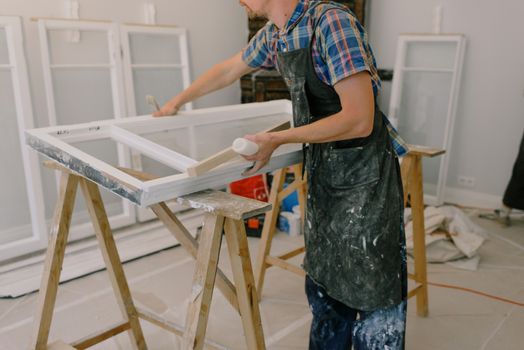
With the sashes out, the real restoration work begins. Each part of the window is examined, cleaned, and repaired as needed.
Timber Repairs: Where rot or damage is found, only the affected sections are removed. Skilled craftsmen splice in new timber, often using slow-grown hardwood to match the density and grain of the original. Traditional joinery methods, such as scarf joints and resin repairs, allow for seamless integration.
Sash Cords and Weights: Old, frayed cords are replaced with waxed cotton or nylon alternatives, rated for up to 100 years of use. Counterweights are weighed and adjusted to ensure the sashes balance and move smoothly.
Glass and Putty: Where possible, original hand-blown or cylinder glass is retained, prized for its subtle ripples and imperfections. If broken, period-appropriate glass is sourced. New linseed oil putty is applied to secure and seal panes.
Paint Removal and Repainting: Decades of paint can obscure fine mouldings and hinder sash movement. Paint is carefully stripped, often with steam or chemical removers, before the wood is primed with breathable, microporous paints that allow timber to ‘breathe’ and reduce rot risk.
Draught Proofing: Modern brush seals and discreet draught-proofing strips are installed, dramatically reducing air leaks without altering the window’s appearance. According to the Sustainable Traditional Buildings Alliance, these upgrades can cut energy costs by up to 30% for traditional homes.
Reassembly and Tuning for Smooth Operation
With repairs complete, the sashes are reassembled into the frame. This process is as much about precision as it is about tradition.
- Reinstating the parting and staff beads, sometimes using timber milled to match original profiles - Reattaching sash cords to counterweights and pulleys - Ensuring the meeting rails align perfectly and that the sashes lock and slide effortlesslyWeather stripping, locks, and security fasteners may be discreetly upgraded for modern safety standards. The final paint coats are applied, typically using breathable, high-performance paints in historically appropriate shades.
Costs, Timeframes, and Restoration vs. Replacement
Restoring Victorian sash windows is an investment, but how does it compare to replacement? Here’s a comparative table summarizing typical costs, longevity, and sustainability:
| Aspect | Restoration | Replacement (Timber Sash) | Replacement (uPVC Sash) |
|---|---|---|---|
| Typical Cost per Window (2024) | £450–£900 | £1,200–£2,000 | £600–£900 |
| Expected Lifespan | 60–100+ years with maintenance | 40–60 years | 20–35 years |
| Heritage Value | Preserved | Partial (if exact replica) | Lost |
| Environmental Impact | Very Low | Medium | High (non-renewable materials) |
| Planning Permission (for listed buildings) | Rarely needed | Often required | Almost always required |
Statistics from the Royal Institute of British Architects (RIBA) show that restoration not only maintains property value but can actually increase it—restored period windows are a key selling point in heritage markets.
Why Restoring Victorian Sash Windows Matters
Restoring Victorian sash windows is about more than function or aesthetics. It’s about preserving a tangible link to the past, reducing waste, and retaining the soul of period properties. English Heritage estimates that over 50,000 sash windows are lost each year to unsympathetic replacement, eroding the historic character of towns and cities.
By choosing restoration, homeowners can: - Save up to 90% of embodied carbon compared to new replacements - Retain unique craftsmanship, such as hand-cut joints and historic glass - Improve thermal and acoustic comfort without compromising authenticityRestoration also supports traditional skills and local craftspeople, contributing to the preservation of building heritage for future generations.
Final Thoughts on the Process of Restoring Victorian Sash Windows
The process of restoring Victorian sash windows is a rewarding journey that blends respect for history with the benefits of modern comfort. With careful assessment, skilled repair, and thoughtful upgrades, original windows can continue to grace homes for another century. The investment pays dividends in charm, value, and sustainability. Whether you live in a grand Victorian terrace or a humble cottage, your sash windows are worth saving—and with the right approach, their revival is within reach.