London is a city defined by its architectural heritage, where past and present intermingle on every street. Nowhere is this more evident than in the elegant sash windows gracing the façades of thousands of listed buildings. These windows are far more than decorative features—they are vital pieces of the city’s history, contributing to London’s unique character and aesthetic. Yet, they face unique challenges in a modern era of changing regulations, environmental standards, and urban living demands. Understanding the importance of maintaining sash windows in London’s listed buildings is not just a matter of preservation—it’s about sustainability, value, and respecting the city’s remarkable architectural lineage.
The Role of Sash Windows in London's Architectural Heritage
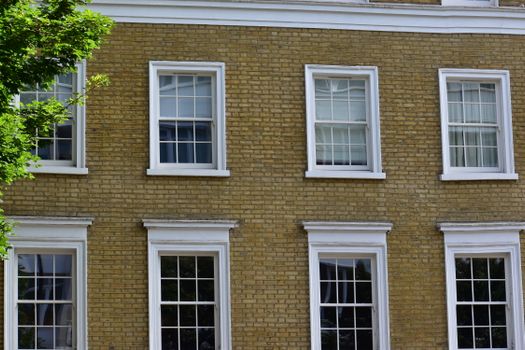
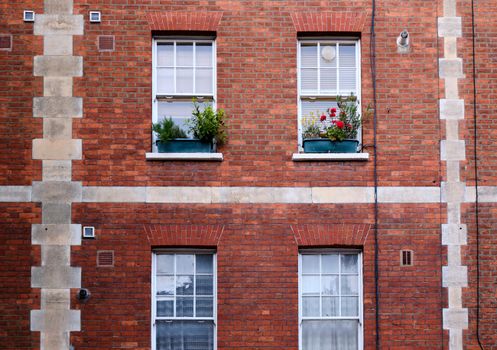
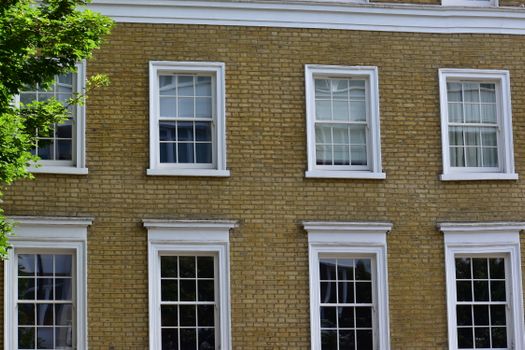
Sash windows—characterized by sliding panels, or “sashes,” that move vertically—first appeared in England during the late 17th century and quickly became a hallmark of Georgian, Victorian, and Edwardian architecture. In London, an estimated 70% of homes built before 1914 were fitted with sash windows, according to Historic England. Their slim, elegant profiles and intricate glazing bars define the rhythm and proportion of countless terraces, squares, and townhouses.
For listed buildings—structures officially protected due to their historic or architectural significance—original sash windows are often a key component in the designation. They are not just windows; they are protected artifacts. The loss or unsympathetic alteration of sash windows can diminish the heritage value of an entire building, affecting its authenticity and even the character of the surrounding area.
.png)
Preserving sash windows means keeping London’s streetscapes intact for future generations. Neglect or inappropriate replacements can erode the charm that makes certain boroughs, such as Kensington, Westminster, and Camden, globally recognizable.
Legal Obligations: Listed Building Consent and Sash Window Maintenance
One of the most crucial aspects of maintaining sash windows in listed buildings is adhering to legal requirements. In the UK, over 500,000 buildings are listed, with a significant proportion located in London. Under the Planning (Listed Buildings and Conservation Areas) Act 1990, any alterations—repairs, replacements, or upgrades—that affect the character of a listed building require Listed Building Consent from the local authority.
Failure to obtain this consent before undertaking work can lead to criminal prosecution, unlimited fines, and even a requirement to reverse the changes at the owner’s expense. In 2023, London’s local councils processed over 3,000 applications for listed building consents related to windows and doors, indicating how common this issue is. Property owners are strongly advised to consult specialists who understand both the technical and legal nuances involved.
Common maintenance tasks—such as repainting, draught-proofing, or repairing decayed timber—often do not require consent if carried out on a like-for-like basis. However, replacing original sash windows with modern uPVC or aluminum units almost always requires permission and is rarely approved in listed buildings.
Energy Efficiency and Environmental Considerations
One of the biggest perceived drawbacks of historic sash windows is their reputation for poor thermal performance. According to a 2019 study by the Sustainable Traditional Buildings Alliance, single-glazed sash windows can lose up to 20% of a building’s heat in winter. In a city where energy costs are consistently above the national average—Londoners paid around 13% more for energy in 2022—improving window performance is a priority for many property owners.
However, maintaining and upgrading original sash windows can balance heritage conservation with modern energy standards. Techniques such as draught-proofing, secondary glazing, and restoration of warped or ill-fitting sashes can reduce heat loss by up to 86%, according to English Heritage. This not only saves on energy bills but also reduces carbon emissions, supporting London’s target to be a zero-carbon city by 2030.
Moreover, the environmental benefits of retention outweigh replacement. Manufacturing new windows—especially from uPVC—has a significant carbon footprint, while repairing timber sash windows extends the lifespan of materials already in use. Sustainably sourced timber repairs and natural paints can further lower the environmental impact of maintenance.
Financial Value: Impact on Property Prices and Insurance
Sash windows in good condition are more than a visual asset—they are a financial one. Numerous studies have shown that retaining period features, especially original windows, can boost the value of listed properties. According to a 2021 survey by the Royal Institution of Chartered Surveyors (RICS), homes in London’s conservation areas with well-maintained sash windows sold for up to 15% more than those with unsympathetic replacements.
Insurance companies also recognize the importance of regular maintenance. Properties with original, well-kept sash windows are considered lower risk for water ingress, rot, and security breaches. Many insurers offer reduced premiums if owners can demonstrate a consistent maintenance history, while neglect can lead to higher excesses or refused claims.
The table below summarizes the financial implications of sash window maintenance versus neglect in London’s listed buildings:
| Aspect | Well-Maintained Sash Windows | Neglected/Unsympathetically Altered |
|---|---|---|
| Average Sale Price Increase | +10-15% | -5-10% (potential decrease) |
| Insurance Premiums | Reduced by up to 12% | Increased by up to 20% |
| Repair Costs (per window) | £350-£900 | £1,200+ (if full replacement needed) |
| Listed Building Consent Risks | Low | High (risk of fines and reversal orders) |
Challenges Unique to London: Pollution, Climate, and Urban Pressures
London’s environment presents unique challenges for the owners of listed buildings with sash windows. Urban air pollution, particularly from vehicle emissions, accelerates the decay of timber and paintwork. The city’s variable climate—with average annual rainfall of 690mm and frequent freeze-thaw cycles—can lead to swelling, warping, and rot.
Noise pollution is another urban challenge. While original single-glazed sash windows are beautiful, they are less effective at blocking external noise. However, sensitive upgrades—such as installing slimline secondary glazing—can dramatically improve acoustic performance while preserving the external appearance and heritage value.
Security concerns are also heightened in city environments. Many listed building owners install discreet security locks, reinforced glass, or internal window bars, all of which should be approved by conservation officers to ensure compliance with listed status.
Regular maintenance—such as clearing paint build-up, lubricating pulleys, and ensuring proper drainage—is crucial to combat the accelerated wear caused by London’s unique urban pressures. Annual professional inspections are recommended by English Heritage for listed buildings in high-traffic areas.
Finding the Right Specialists: Skills and Accreditation Matter
Maintaining sash windows in listed buildings is a highly skilled task, requiring expertise in both traditional craftsmanship and modern conservation standards. Not all window contractors or carpenters are qualified to work on protected properties. In London, the demand for heritage window specialists has risen by 25% over the past decade, driven by stricter planning enforcement and growing public appreciation for historic architecture.
Look for contractors who are members of recognized bodies such as the Guild of Master Craftsmen, the Society for the Protection of Ancient Buildings (SPAB), or the Institute of Historic Building Conservation (IHBC). Many local authorities maintain lists of approved heritage contractors. Always ask for references, examples of previous work on listed buildings, and proof of relevant insurance.
Professional sash window specialists can provide condition reports, tailored maintenance plans, and assistance with Listed Building Consent applications. In many cases, their expertise ensures that windows last another century with minimal intervention.
Safeguarding London’s Future by Honouring Its Past
Maintaining sash windows in London’s listed buildings is about more than individual property upkeep—it’s an act of stewardship over the city’s shared heritage. Well-preserved windows not only honour the craftsmanship of past generations but also support energy efficiency, boost property values, and protect owners from legal and financial pitfalls.
As London continues to grow and change, the careful maintenance of these architectural gems ensures that the city remains a place where history and modernity coexist harmoniously. Every repainted sash, every repaired pulley, and every pane of original glass preserved is a testament to the enduring value of London’s built heritage.