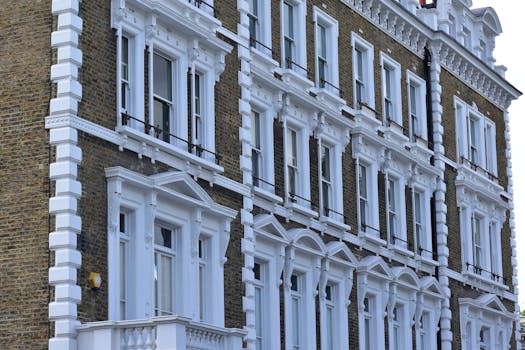
Sash windows are an iconic architectural feature, adding both elegance and practicality to homes and buildings for centuries. While their timeless charm is evident in period properties across the UK and beyond, the design and function of sash windows have evolved dramatically since their inception. This article explores the fascinating journey of sash window designs—how innovation, social change, and architectural trends have shaped their form and performance over the centuries.
The Origins of Sash Windows: From Early Concepts to Georgian Grandeur
The precise origins of the sash window are debated, but most historians agree they became widespread in England in the late 17th century. The earliest known use of the sash window is attributed to installations at Ham House, Richmond, in the 1670s. Sash windows quickly gained popularity due to their ingenious mechanism: panes sliding vertically within the frame, held in position by counterweights and pulleys.
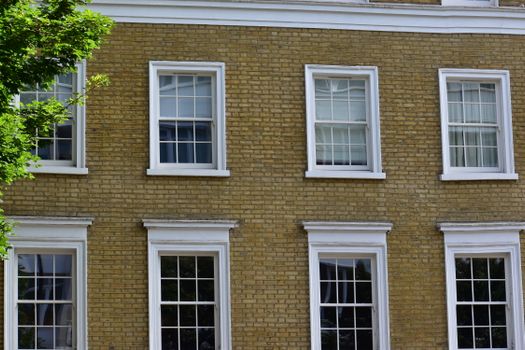
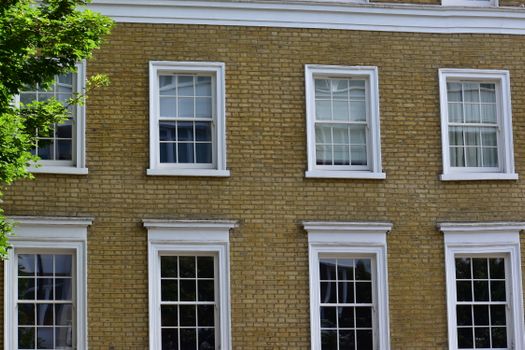
During the Georgian era (1714–1830), sash windows became a hallmark of refined architecture. Georgian sashes were typically six-over-six (meaning six panes in both the upper and lower sashes), reflecting both the glazing technology and tax laws of the time. The Window Tax, first introduced in 1696, taxed houses based on the number of windows, and later, on the number of panes, influencing the size and design of sash windows. The slender glazing bars and symmetrical proportions of Georgian sash windows are still admired today.
.png)
Victorian Innovations: Mass Production and Ornamental Flourishes
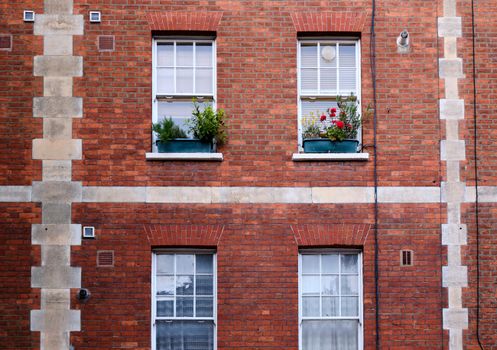
The Victorian period (1837–1901) brought significant changes to sash window design, thanks largely to advances in glass production and the Industrial Revolution. The development of cylinder and sheet glass meant larger panes could be manufactured, reducing the need for multiple glazing bars. As a result, Victorian sash windows often featured two-over-two or even single-pane designs.
This era also saw an explosion of decorative features. Horns—small projections at the base of the upper sash—were introduced for added strength as larger panes became the norm. Ornate architraves, intricate mouldings, and stained glass panels reflected the Victorian appetite for embellishment. By the 1870s, mass production made sash windows more affordable and accessible, and they appeared not just in grand townhouses but in suburban homes throughout the country.
Edwardian and Early 20th Century: Embracing Light and Simplicity
The Edwardian era (1901–1910) and the decades that followed marked a shift toward simpler, lighter window designs. Inspired by the Arts and Crafts movement, which championed craftsmanship and natural light, Edwardian sash windows often featured wider openings and fewer panes—commonly a six-over-two or even a single-pane upper sash.
Edwardian homes sought to maximize sunlight, particularly in suburban developments. The sash window’s design responded with larger glass areas, slimmer glazing bars, and elegant, understated frames. Timber remained the material of choice, but the quality of joinery improved, resulting in more robust and longer-lasting windows.
The interwar years brought further experimentation, with the influence of Art Deco and modernist movements. Sash windows became plainer and more geometric, sometimes incorporating metal frames and innovative opening mechanisms, though timber sashes remained dominant in residential buildings.
Post-War Decline and Modern Resurgence
After World War II, changing building regulations, material shortages, and new architectural trends led to a decline in traditional sash window use. The mid-20th century saw the rise of casement windows—often made from metal or plastic—which were cheaper and easier to manufacture on a large scale.
However, the 1980s and 1990s brought renewed appreciation for heritage architecture. Homeowners and developers began restoring period properties, leading to a resurgence in sash window popularity. Advances in manufacturing allowed for double-glazed sash units, improved weatherproofing, and enhanced security features, making them suitable for modern living while preserving their historical appeal.
Today, sash windows can be crafted from a variety of materials, including engineered timber, uPVC, and aluminium. They are available in traditional and contemporary styles, offering excellent energy efficiency and noise reduction without sacrificing visual charm.
Comparing Sash Window Designs Through the Ages
To better understand the evolution of sash window designs, the following table highlights key differences across four major historical periods:
| Era | Common Pane Configuration | Frame Material | Key Features | Notable Innovations |
|---|---|---|---|---|
| Georgian (1714–1830) | 6-over-6 | Timber | Slender glazing bars, symmetry | Counterweight pulley system |
| Victorian (1837–1901) | 2-over-2, 1-over-1 | Timber | Decorative horns, ornate mouldings | Large glass panes, mass production |
| Edwardian (1901–1910) | 6-over-2, 1-over-1 | Timber | Larger openings, minimal decoration | Improved joinery, emphasis on light |
| Modern (1980s–Present) | Varied (custom) | Timber, uPVC, aluminium | Double glazing, enhanced security | Energy efficiency, heritage replication |
Technological Advances and Their Impact on Sash Window Design
Several technological milestones have significantly shaped sash window evolution:
1. $1: The invention of cylinder glass in the early 19th century enabled the production of larger, clearer panes, reducing the need for multiple small panes and thick glazing bars. 2. $1: The original counterweight and pulley mechanism remains a marvel of engineering, allowing smooth, balanced movement of heavy sashes. Modern adaptations include spiral balances, which offer similar functionality in slimmer frames. 3. $1: Introduced in the late 20th century, double-glazed sash windows improved thermal insulation by up to 50% compared to single glazing, according to the UK Department of Energy & Climate Change. 4. $1: While timber remains popular for authenticity, modern sash windows now utilize uPVC and aluminium. These materials offer lower maintenance and improved durability, with uPVC windows accounting for 51% of UK window sales in 2022 (Statista).Cultural and Architectural Significance
Sash windows are more than a practical solution—they are a symbol of architectural heritage and local identity. In cities like London, Bath, and Edinburgh, conservation areas strictly regulate window replacement to preserve the historic streetscape. According to Historic England, over 80% of period properties in the UK originally featured sash windows.
Sash windows have also inspired countless architectural styles, from the formal symmetry of Georgian terraces to the exuberant decoration of Victorian villas. Their adaptability ensures they remain relevant in both restoration projects and new builds seeking to evoke classic charm.
The Future of Sash Window Design
Today’s sash window designs blend traditional aesthetics with cutting-edge technology. Triple glazing, advanced weather seals, and acoustic insulation are becoming standard options. Bespoke manufacturing allows for historically accurate replicas that meet modern performance standards, supporting both sustainability and conservation efforts.
Smart technology is also entering the sash window market, with automated opening systems and integrated sensors for security and climate control. As energy efficiency becomes increasingly important, expect to see further innovation in materials and glazing, ensuring sash windows continue to evolve for future generations.
Conclusion
The evolution of sash window designs over the centuries mirrors broader changes in architecture, technology, and society. From their origins in the grand homes of the Georgian elite to their modern-day revival in energy-efficient materials, sash windows have continuously adapted while retaining their signature elegance. Whether you live in a period property or a contemporary home, the enduring appeal of sash windows lies in their blend of beauty, function, and historical resonance.