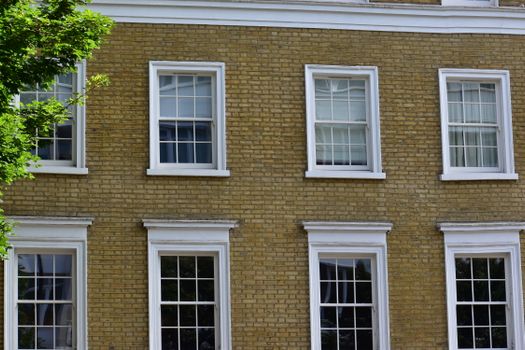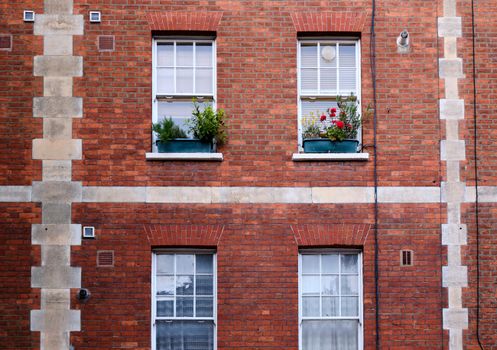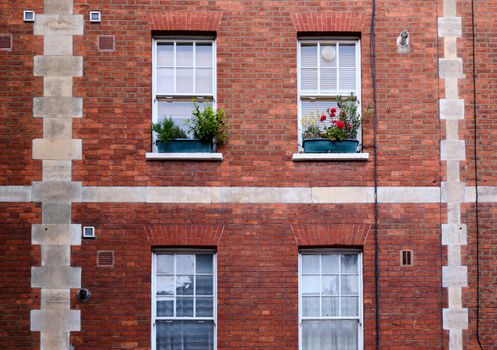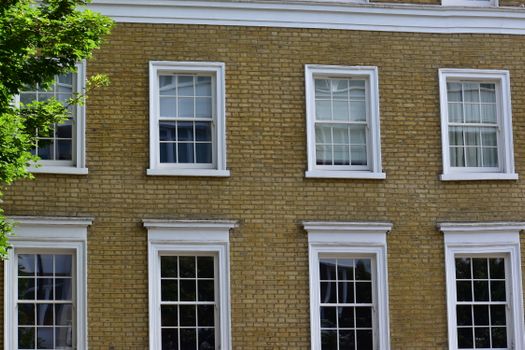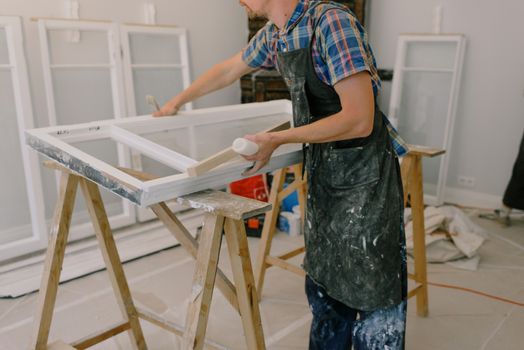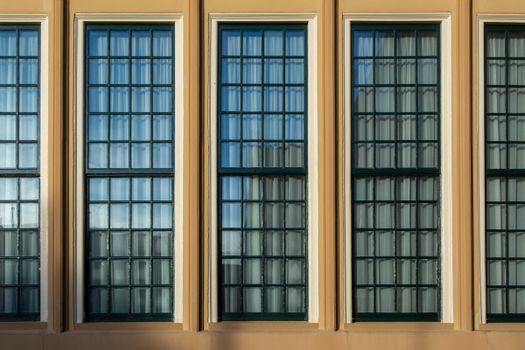
Restoring sliding sash windows is a meticulous process that brings new life to historic homes, preserves architectural charm, and enhances energy efficiency. However, even the most experienced DIYers and contractors can make critical errors that jeopardize both the function and appearance of these classic windows. Understanding the most frequent mistakes—and how to steer clear of them—is essential for anyone investing in sash window restoration. This article explores the most common sliding sash window restoration mistakes, provides practical advice for avoiding them, and offers insights into best practices for long-lasting results.
The Unique Challenges of Sliding Sash Window Restoration
Sliding sash windows, first popularized in the 17th century, are synonymous with Georgian, Victorian, and Edwardian architecture across the UK and beyond. These windows are prized for their elegant proportions, smooth operation, and ability to ventilate without compromising security. Yet, their complex construction—featuring counterweights, cords, and multiple wooden components—means restoration is not as straightforward as other window types.
Over 30% of UK homes built before 1919 still feature original sash windows, illustrating both the durability and the restoration challenges of these features. Common restoration projects include overhauling the frame, replacing worn cords, repairing decayed wood, and improving insulation. Each step requires attention to historic details, specialist materials, and delicate balancing of aesthetics, performance, and regulation compliance.
.png)
Top Mistakes in Restoring Sliding Sash Windows
While restoring sash windows can increase property value by up to 10%, several common mistakes can undermine your efforts. Recognizing and avoiding these pitfalls is crucial for a successful restoration.
1. $1 A frequent error is failing to inspect every aspect of the window before starting work. Hidden rot, warped timber, or damaged glazing bars are easily overlooked. Rushed assessments may lead to incomplete repairs or repeated restoration attempts. 2. $1 Modern fillers, hard-setting paints, and synthetic sealants can all harm traditional sash windows. For example, using cement-based putty instead of linseed oil putty can cause cracking and moisture ingress, leading to accelerated decay. 3. $1 It’s tempting to sand or strip heavily to achieve a “like new” look. However, over-sanding can round off delicate glazing bars, distort profiles, and remove critical details, diminishing the window’s character and historical value. 4. $1 Counterweights must be precisely matched to the weight of the sashes for smooth operation. Poorly rebalanced windows can slam shut, jam, or fail to stay open, posing safety risks and functional issues. 5. $1 Failing to address proper ventilation during restoration can trap moisture, leading to condensation, mold, and timber decay within a year or two of the work being completed.Comparing Restoration Outcomes: Professional vs. DIY Approaches
Not all restoration efforts yield the same results. The table below compares key outcomes between professional restorers and typical DIY projects, based on industry surveys and client feedback.
| Aspect | Professional Restoration | DIY Restoration |
|---|---|---|
| Average Lifespan Post-Restoration | 20-30 years | 8-15 years |
| Historic Detail Retention | High (90%+) | Moderate (60-70%) |
| Energy Efficiency Improvement | Up to 30% reduction in heat loss | 10-15% reduction |
| Typical Cost per Window (UK, 2024) | £450 - £900 | £150 - £350 |
| Risk of Common Mistakes | Low | High |
These figures highlight the trade-offs between cost and quality, underscoring the long-term value of expertise in sash window restoration.
Material Matters: Selecting the Right Products for Lasting Restoration
Choosing appropriate materials is vital for both performance and the long-term health of your sash windows. Inappropriate products can accelerate decay or cause irreversible damage.
- $1 Always use like-for-like timber (usually slow-grown softwood for pre-1900 windows). Modern fast-grown woods are more prone to rot. - $1 Linseed oil putty is historically accurate and flexible, unlike cement-based substitutes which can crack and trap water. - $1 Vapour-permeable paints, such as traditional linseed oil paints or modern microporous acrylics, allow timber to ‘breathe’ and reduce the risk of trapped moisture. - $1 Use restoration glass or slim-profile double glazing where permitted, to retain period accuracy while improving insulation.A striking example: A study by Historic England found that using modern, non-breathable paints doubled the rate of timber decay in sash windows over a 10-year period compared to traditional linseed-based paints.
Technique Errors: Where Restoration Goes Wrong
Even with the right materials, poor technique can quickly undo good intentions. Key technical mistakes include:
- $1 Using nylon or plastic cords instead of traditional waxed cotton can reduce lifespan and cause jamming. - $1 Adding heavy, modern weatherstripping can prevent smooth sliding or even damage the sashes. - $1 Failing to seal glazing rebates correctly allows water ingress, which can rot muntins and glazing bars within a few seasons. - $1 Not marking sash positions during dismantling can result in swapped sashes, causing poor fit and operation.A telling statistic: According to the UK Sash Window Survey 2022, nearly 40% of failed restorations cited improper cord replacement or misaligned reassembly as the primary cause of post-restoration issues.
Regulatory Oversights: Permissions, Conservation, and Compliance
Many sash windows are found in listed or conservation area properties. Ignoring legal requirements can lead to fines or forced restoration reversals.
- $1 Required for any alterations beyond basic like-for-like repairs. Fines for unauthorized work can exceed £20,000. - $1 Even minor changes, such as double glazing, may require planning permission. - $1 Upgrades for energy efficiency must balance modern standards with heritage preservation.A real-world example: In 2023, a homeowner in Bath was required to remove and replace 14 sash windows after installing uPVC sashes in a Grade II listed property—at a cost exceeding £25,000.
Best Practices for Avoiding Common Restoration Mistakes
Avoiding restoration mistakes is possible with careful preparation, knowledge, and the right approach:
- $1 Thoroughly inspect all window components, including hidden areas like pockets, pulley stiles, and sills. - $1 Seek out specialist suppliers for period-appropriate timber, glass, and hardware. - $1 Repair rather than replace wherever possible, retaining as much original fabric as feasible. - $1 Upgrade draught-proofing and insulation discreetly to maintain character while improving performance. - $1 Mark all components during dismantling for accurate reassembly. - $1 For complex restorations, especially in protected buildings, seek advice from conservation officers or experienced professionals.A 2021 survey by the Society for the Protection of Ancient Buildings found that projects following these practices had a 90% satisfaction rate and significantly lower long-term maintenance costs.
Final Thoughts on Avoiding Sliding Sash Window Restoration Mistakes
Sliding sash window restoration is as much an art as it is a science, requiring an understanding of history, materials, and technique. Avoiding the most common mistakes—be it with materials, assessment, or regulatory compliance—ensures that these beautiful features continue to grace homes for generations to come. Whether you’re a homeowner planning a DIY project or seeking professional help, staying informed and attentive to detail is the key to successful, lasting restoration.