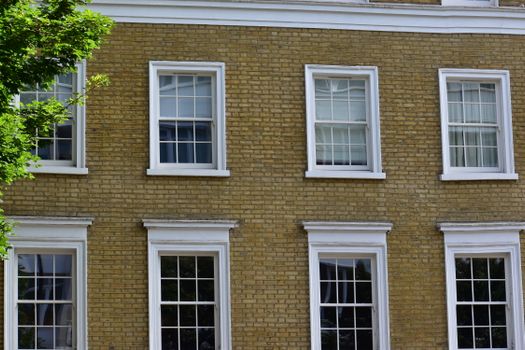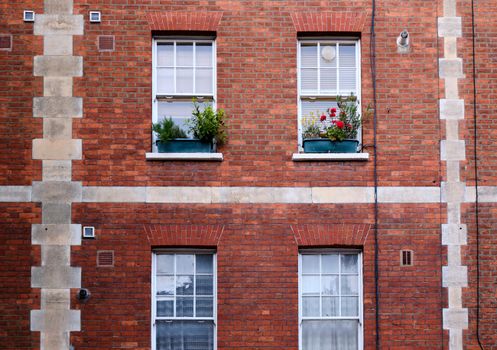
The story of sash windows in London's architectural landscape is a compelling illustration of how practical design can intersect with aesthetic evolution, shaping the character of one of the world’s most iconic cities. From their humble beginnings to their peak in the Georgian era, the adaptations during the Victorian period, and their modern resurgence, sash windows have continually adapted to meet the changing needs and tastes of Londoners. Their enduring presence in London not only highlights their functional and visual appeal but also underscores their adaptability and the city’s ongoing dialogue between the past and present in architectural design.
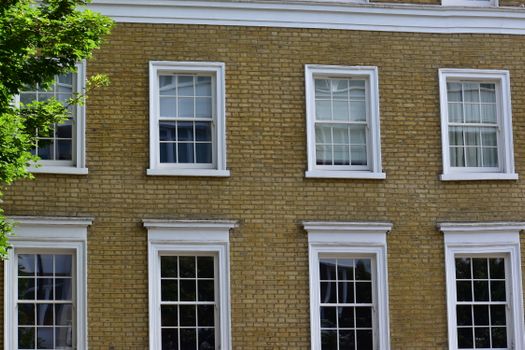
Each era of sash window development brought with it distinct characteristics that mirrored the architectural trends and technological advancements of the time. The transition from the simple, horizontal sliding design of the early sash windows to the more sophisticated vertically sliding format in the 18th century allowed them to become a staple of Palladian and later Georgian architecture, celebrated for their beauty and practicality. The Victorian modifications introduced more intricate designs and the hidden balancing mechanisms of box sash windows, aligning with a period of rapid technological advancement and urban growth.
The 20th century’s shift towards modernism saw a decline in the popularity of sash windows as architectural priorities shifted towards new materials and minimalist designs. However, the late 20th and early 21st centuries have seen a revival of interest in sash windows as part of a broader appreciation of historical styles and sustainable living. Modern sash windows blend the traditional charm with contemporary technology, offering energy efficiency without sacrificing style.
.png)
Sash windows today are more than just architectural elements; they are symbols of London's ability to preserve its historical heritage while embracing modernity. The ongoing restoration of old sash windows and their inclusion in new buildings reflect a city that values both its past and its future, ensuring that sash windows will remain an essential feature of London’s architectural narrative.
This enduring appeal and versatility make the evolution of sash windows a key chapter in the story of London architecture, offering insights into the past and inspiration for the future. As they continue to grace both historical and contemporary buildings, sash windows not only enhance London's streetscape but also embody the city’s cultural and architectural spirit.