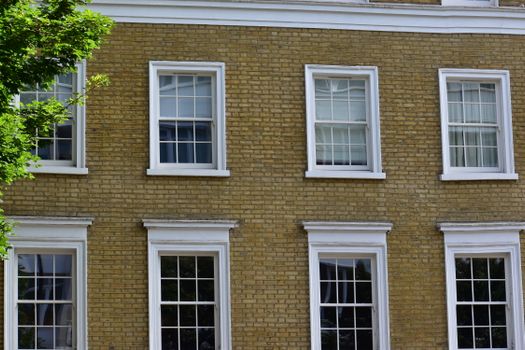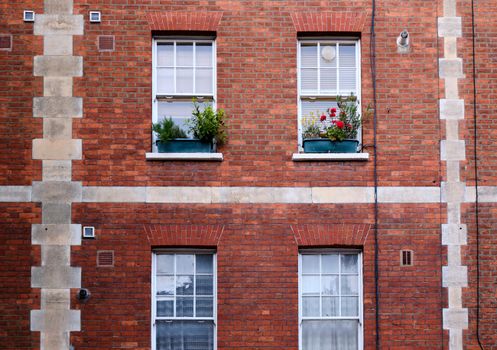
Sliding sash windows are a defining feature of many heritage buildings across the United Kingdom and beyond. These elegant, vertically sliding windows have graced Georgian townhouses, Victorian terraces, and Edwardian villas for centuries, contributing to their unique charm and historical value. However, installing new sliding sash windows—or replacing old ones—in heritage buildings is far from straightforward. It involves a careful balance between preserving architectural authenticity and meeting modern performance standards. This article explores exactly what the installation of sliding sash windows in heritage buildings entails, from the planning stage through to completion, and provides valuable insights for property owners, architects, and conservation enthusiasts.
The Significance of Sliding Sash Windows in Heritage Architecture
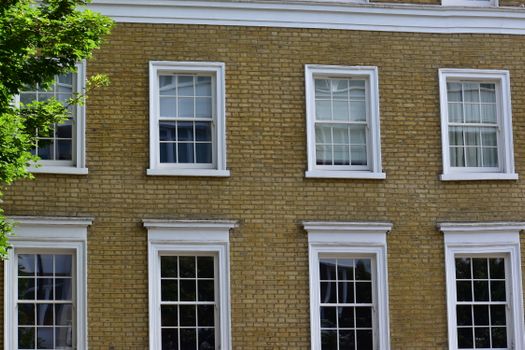
Sliding sash windows first appeared in the late 17th century and rapidly became a hallmark of British architectural style. Their design—with two framed window sashes gliding vertically within a frame—allowed for improved ventilation and light compared to earlier casement windows. In heritage buildings, sash windows are not just functional elements; they are vital to the building’s historical integrity.
According to Historic England, around 75% of listed buildings in the UK feature original sash windows. Their presence is often a decisive factor in a building’s listed status, and replacing them incorrectly can compromise both aesthetics and legal compliance. This underscores the need for sensitive installation that respects the building’s character while enhancing comfort and efficiency.
.png)
Planning and Permissions: Navigating Heritage Regulations
Before any work begins, the installation of sliding sash windows in a heritage building requires careful planning and, in most cases, official permission. Buildings classified as “listed” or located within designated conservation areas are subject to strict regulations enforced by local authorities and heritage bodies.
Key steps in the planning process include:
- Consulting the Local Planning Authority (LPA): Property owners must seek approval for any alterations affecting a listed building’s exterior or interior character. This typically involves submitting detailed drawings, specifications, and justifications for the proposed work. - Understanding Listed Building Consent: In England and Wales, Listed Building Consent (LBC) is mandatory for changes to protected structures. Failure to obtain LBC can result in legal penalties and costly restoration orders. - Engaging Conservation Officers: Many LPAs assign specialist conservation officers to advise on suitable window designs, materials, and installation methods. Early engagement can streamline the approval process.Statistics from the UK Planning Portal reveal that over 60,000 applications for listed building consent are processed annually, with window replacement being among the top five reasons for submission.
Balancing Authenticity and Modern Performance
One of the greatest challenges in heritage window installation is reconciling historical authenticity with contemporary performance expectations. While original sash windows are prized for their craftsmanship, they often fall short in terms of energy efficiency, security, and acoustic insulation.
Modern sash window manufacturers offer solutions that faithfully replicate period details while discreetly incorporating advanced technologies. Common enhancements include:
- Double or Slimline Glazing: Traditional single glazing can be upgraded to slim-profile double glazing, improving thermal performance while maintaining historic sightlines. - Draught-Proofing: New windows can be fitted with discreet weather seals, dramatically reducing air leakage. According to the Energy Saving Trust, effective draught-proofing can save a typical household up to £60 per year on heating bills. - Sustainable Timber: High-quality, FSC-certified timber is now widely used for frames, ensuring durability and environmental responsibility. - Security Upgrades: Enhanced locking mechanisms and reinforced glass can be integrated without affecting external appearance.It is crucial, however, that all upgrades are approved by conservation authorities and do not detract from the building’s period character. For listed properties, even the type of putty or the profile of the glazing bars may be subject to scrutiny.
Installation Techniques Specific to Heritage Sash Windows
Installing sliding sash windows in heritage buildings is a specialist task that differs markedly from modern new-build projects. The process must be minimally invasive, reversible where possible, and sympathetic to the existing structure.
Key considerations include:
- Retaining Original Fabric: Conservation best practice dictates that as much original material as possible should be preserved. Where complete replacement is necessary, new windows must match the originals in design, materials, and craftsmanship. - Traditional Joinery Methods: Skilled joiners use time-honoured techniques such as mortise and tenon joints, hand-cut glazing bars, and authentic sash cords or chains. These methods ensure that new windows blend seamlessly with historic fabric. - Accurate Measurement and Bespoke Manufacture: Heritage windows are rarely uniform in size. Each replacement sash or frame is custom-fitted to accommodate irregular openings and settle with the building’s natural movement. - Careful Removal and Installation: The removal of old sashes requires delicacy to avoid damaging surrounding masonry, decorative mouldings, or internal finishes. New units are installed with attention to air-tightness, weather resistance, and ease of future maintenance.A 2023 survey by the Institute of Historic Building Conservation (IHBC) found that over 80% of heritage professionals recommend sourcing windows from specialist manufacturers with proven experience in listed and conservation projects.
Cost, Timescale, and Value Comparison
The installation of sliding sash windows in heritage buildings typically involves higher upfront costs and longer timescales than standard window replacement. This is due to bespoke manufacturing, specialist labour, and the need for regulatory compliance. However, the long-term value—both in terms of property appreciation and energy savings—can be significant.
| Aspect | Heritage Sash Window Installation | Modern Window Replacement |
|---|---|---|
| Average Cost per Window | £1,500 – £3,500 | £600 – £1,200 |
| Lead Time | 8 – 16 weeks | 3 – 6 weeks |
| Planning/Consent Required | Yes, often mandatory | Rarely required |
| Expected Lifespan | 30 – 100+ years | 15 – 30 years |
| Impact on Property Value | High (preserves/boosts heritage value) | Neutral or negative in heritage zones |
This comparison highlights the importance of investing in appropriate sash window installation for heritage properties. Not only does it prevent legal issues, but it also preserves the building’s value and historic appeal for future generations.
Selecting Qualified Professionals for Heritage Installations
Given the complexity and regulatory requirements, choosing the right professionals is critical. Property owners should look for:
- Accreditation: Membership in organisations such as the Guild of Master Craftsmen or the Institute of Carpenters indicates high standards of skill and ethics. - Conservation Experience: Ask for examples of previous heritage projects and request references. - Insurance and Guarantees: Ensure the contractor has suitable insurance for working on listed buildings and offers warranties on workmanship and materials. - Collaboration with Conservation Officers: The best installers maintain good working relationships with local heritage officers, ensuring smooth communication and compliance throughout the project.A 2022 report by the Federation of Master Builders found that projects completed by accredited heritage specialists were 40% less likely to encounter regulatory delays or disputes.
Safeguarding Heritage with Sensitive Sash Window Installation
The installation of sliding sash windows in heritage buildings is a nuanced process demanding respect for the past and an eye to the future. By navigating planning regulations, sourcing authentic materials, employing traditional craftsmanship, and working with experienced professionals, property owners can ensure that their windows contribute to both the preservation and enhancement of our architectural heritage. Ultimately, the careful installation of sash windows not only upholds the character and value of historic buildings but also provides comfort, efficiency, and beauty for generations to come.