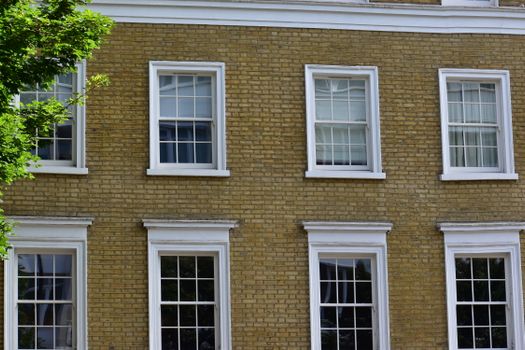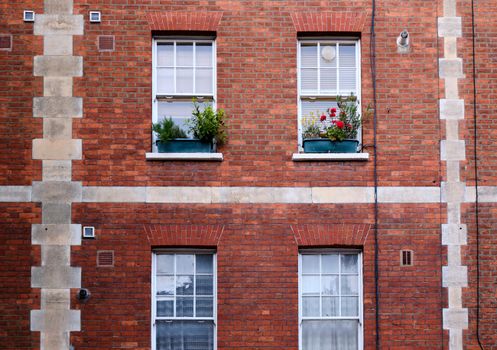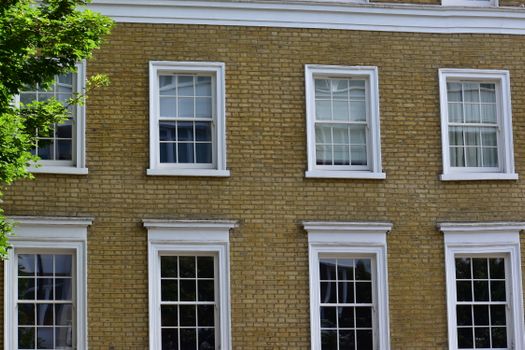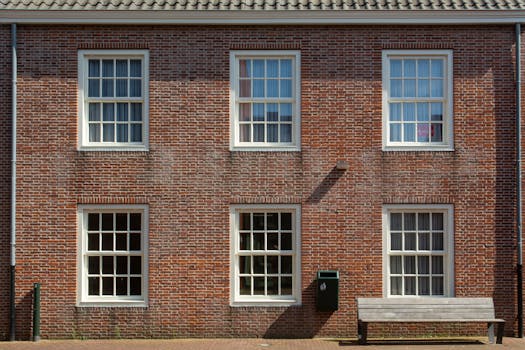
Sliding sash windows are a quintessential feature of British architecture, gracing everything from Georgian townhouses to Victorian terraces and Edwardian homes. Their timeless charm, characterful appearance, and smart functionality have kept them in demand for centuries. Yet, like any architectural feature, sliding sash windows are not without their challenges. Homeowners often encounter a range of common problems, from draughts and rattles to jamming and rot. The good news? Most issues can be remedied with targeted solutions, preserving both the beauty and performance of these classic windows.
In this comprehensive guide, we’ll delve into the most frequent issues faced by owners of sliding sash windows, explore the causes behind them, and provide clear, effective fixes for each problem. Whether you live in an historic property or a modern home with period-inspired windows, understanding these challenges and their remedies will help you keep your sash windows functional, energy-efficient, and looking their best.
Understanding Sliding Sash Window Mechanics
Before tackling specific problems, it's helpful to understand how sliding sash windows work. A traditional sash window consists of two glazed panels (sashes) that slide vertically within a wooden frame. Each sash is counterbalanced by weights, connected via cords running over pulleys, enabling smooth opening and closing.
.png)
Modern variations may use spiral balances or springs instead of traditional weights and cords, but the principle remains the same. Over time, wear and tear on these components can lead to operational issues, which are often at the root of many common sash window problems.
Top 5 Common Sliding Sash Window Problems
Sliding sash windows are lauded for their elegance, but they are also subject to a unique set of vulnerabilities. Here are the top five problems most frequently reported by homeowners:
1. Sashes Sticking or Jamming 2. Draughts and Poor Insulation 3. Rotting or Decaying Timber 4. Broken Cords or Balances 5. Rattling and Excessive NoiseLet’s explore each issue, along with practical, step-by-step solutions.
Problem 1: Sashes Sticking or Jamming
A sash window that won’t budge is not just frustrating—it can also affect ventilation and emergency egress. Sticking or jamming is commonly caused by:
- Paint build-up in the channels - Swollen or warped timber due to moisture - Debris or dirt in the track - Misaligned sashes or framesAccording to a 2022 survey by the UK’s Glass & Glazing Federation, over 35% of sash window complaints were related to sticking or difficulty in operation.
$1
- Inspect the channels and carefully remove any paint build-up with a scraper or sandpaper. - Clean the tracks thoroughly and lubricate with a silicone-based spray. - If the timber is swollen, allow it to dry out, then sand down the affected areas for a smoother fit. - For persistent misalignment, professional adjustment of the sash or frame may be necessary.Problem 2: Draughts and Poor Insulation
Older sash windows are notorious for letting in cold air. In fact, research from Historic England found that traditional sash windows can lose up to 30% more heat compared to modern double-glazed units. Draughts are usually caused by:
- Gaps between the sash and frame due to shrinkage or wear - Faulty or missing weatherstripping - Poorly fitting sashes$1
- Fit modern draught excluders or weatherstripping around the edges of the sashes. - Use specialist sash window draught-proofing kits, which can reduce heat loss by up to 86% without affecting the window’s appearance. - Ensure both sashes are properly aligned and make contact with the frame.Many homeowners report that after draught-proofing, their heating bills drop by 8-12% annually—a significant saving over time.
Problem 3: Rotting or Decaying Timber
Wooden sash windows are especially susceptible to rot, particularly on sills and lower rails where water collects. Signs include soft, crumbling wood, flaking paint, or visible mould.
According to a 2023 report by the British Woodworking Federation, over 1 in 5 sash windows in pre-1930 homes show signs of rot.
$1
- Remove all decayed wood and treat the area with a wood hardener. - Fill gaps with a two-part epoxy wood filler, which is durable and paintable. - For extensive damage, replace affected sections with new, treated timber—ideally matching the original profile. - Always repaint or reseal exposed timber to prevent future moisture ingress.Regular maintenance, such as repainting every 5-7 years, can extend the lifespan of timber sashes by decades.
Problem 4: Broken Cords or Balances
The cords or balances that counterweight the sashes can fray, snap, or lose tension after years of use. When this happens, the sash may become difficult to lift or fall shut unexpectedly—a safety hazard.
$1
- Remove the sash by carefully unscrewing the stops and parting beads. - Replace the old cords with high-quality sash cord, ensuring the correct length and knotting. - If your windows use spiral or spring balances, consult the manufacturer’s instructions or hire a professional for replacement. - Reinstall the sash, testing for smooth movement.Replacing sash cords is a time-consuming but straightforward DIY job. For sets of large or heavy sashes, professional refurbishment is recommended for safety and longevity.
Problem 5: Rattling and Excessive Noise
Loose-fitting sashes can rattle in the wind and let in outside noise. This problem is particularly pronounced in period properties located on busy streets or exposed sites.
$1
- Install brush pile strips or specialist acoustic draught excluders to cushion the sashes and absorb vibrations. - Tighten loose fittings and check sash locks for a firm closure. - For severe noise problems, consider secondary glazing—a discreet, interior panel—which can reduce noise transmission by up to 50 dB.Comparing Solutions: Repairs vs Replacement
It can be difficult to decide whether to repair an existing sash window or replace it entirely. The table below compares the typical costs, benefits, and drawbacks of each approach.
| Option | Average Cost per Window (UK, 2024) | Typical Lifespan | Main Benefits | Drawbacks |
|---|---|---|---|---|
| Repair & Restoration | £250 - £550 | 10-20 years (with maintenance) | Preserves original character, lower cost, eco-friendly | May need repeat work, not all issues can be fixed |
| Full Replacement | £1,000 - £2,500 | 30+ years | Improved insulation, new materials, less maintenance | Higher cost, loss of original features |
As shown, repair is often the preferred option for heritage and character properties, while replacement may be justified for severely damaged or inefficient windows.
Preventing Future Issues: Maintenance Tips for Sliding Sash Windows
Regular maintenance is the key to avoiding the most common sash window problems. Here are some expert-approved tips:
- Inspect windows every spring and autumn for signs of damage, rot, or draughts. - Clean tracks and channels to remove dust and debris that impede movement. - Lubricate pulleys, catches, and locks with a non-oily lubricant. - Repaint timber frames every 5-7 years with a weatherproof, microporous paint. - Ensure external drainage holes are clear to prevent water accumulation.Staying on top of these simple tasks can extend the life of your sash windows by decades, maintaining both their function and beauty.
When to Call a Professional for Sash Window Repairs
While many sash window problems can be solved with DIY methods, certain situations call for expert attention:
- Structural damage to frames or sills - Suspected lead paint (found in many pre-1960s homes) - Large-scale rot or insect infestation - Glass replacement, especially with heritage or stained glassProfessional sash window specialists can perform detailed assessments, recommend the best course of action, and ensure repairs comply with building regulations or conservation requirements.
Preserving the Charm and Functionality of Sliding Sash Windows
Sliding sash windows are a beloved feature in countless British homes, blending period character with practical ventilation. By learning to recognize and address the most common issues—from sticky sashes and draughts to broken cords and rot—you can keep these elegant windows operating smoothly for generations. Regular maintenance, timely repairs, and thoughtful upgrades will not only protect your investment but also help preserve the architectural heritage of your home.