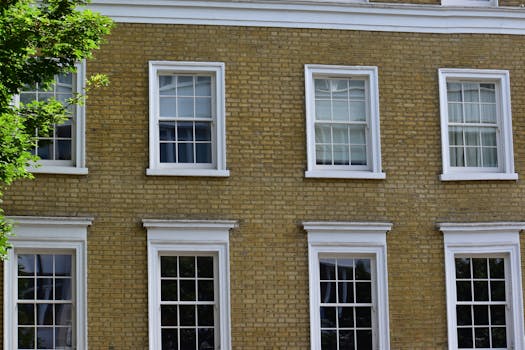
Restoring historic sliding sash windows is more than an act of preservation — it’s a way to safeguard architectural heritage, enhance property value, and improve energy efficiency without sacrificing period charm. These elegant windows have been a staple of British architecture since the late 17th century, gracing Georgian, Victorian, and Edwardian homes with their timeless beauty. However, decades of exposure to the elements and changing building standards can leave these windows in need of careful, informed restoration. This article will guide you through the essential steps and considerations for properly restoring historic sliding sash windows while maintaining their original character and complying with modern expectations.
The Importance of Authentic Restoration for Sash Windows
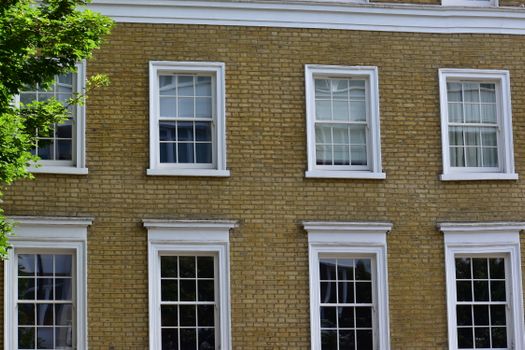
Historic sash windows are often protected by conservation regulations, especially in listed buildings or designated conservation areas. According to Historic England, over 25% of homes built before 1919 still feature original timber sash windows. These contribute not only to a property’s curb appeal but also to its historical integrity and market value.
Authentic restoration involves more than a coat of paint or replacing broken glass. It requires respect for original materials, traditional joinery techniques, and the historic context of the building. Studies show that original sash windows, when properly maintained or restored, can last more than 100 years, compared to just 20-30 years for many modern replacements. Moreover, original timber can often be repaired rather than replaced, making restoration both economical and environmentally sustainable.
.png)
Assessment: Evaluating the Condition of Historic Sash Windows
Before beginning restoration, a thorough assessment is essential. This involves inspecting the sash windows for the following:
- Timber integrity: Check for rot, insect damage, or warping. Use a small probe to assess softness in the wood, especially at the sill and joints. - Glazing: Examine glass for cracks, rattling, or missing putty. Many older sashes feature hand-blown glass with a distinctive wavy appearance, which adds to their value. - Hardware: Assess the condition of pulleys, cords, weights, and locks. Original brass or iron fixtures can usually be cleaned and reused. - Paintwork: Look for flaking, lead-based paint, or excessive paint build-up, which can impede window movement.A professional surveyor or sash window specialist can provide a detailed report, including recommendations for repair, retention, or replacement of components.
Step-by-Step Approach to Sash Window Restoration
Restoring historic sash windows is a meticulous, multi-stage process. Here’s a breakdown of the core steps:
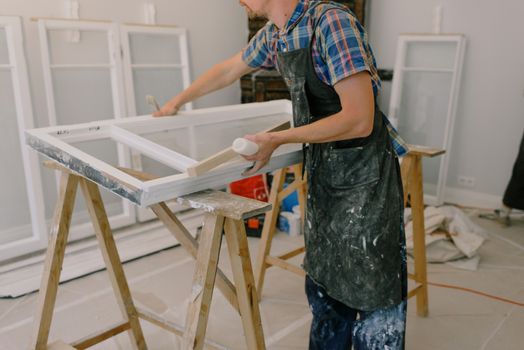
1. $1 The sashes are gently removed from the frame to minimize damage to the joinery and surrounding plasterwork. Each sash is labelled to ensure correct reinstallation. 2. $1 Old paint is stripped using gentle methods such as steam, infrared, or chemical poultices to avoid damaging the timber. Any cracked or loose glazing putty is removed, and glass is carefully taken out if necessary. 3. $1 Damaged timber sections are repaired using splicing — a traditional technique where only the rotten section is replaced with matching timber, often slow-grown pine or oak. Epoxy resin fillers may be used for smaller imperfections. According to the Society for the Protection of Ancient Buildings (SPAB), up to 80% of original timber can often be retained using these methods. 4. $1 Modern draught-proofing systems can be discreetly installed without altering the window’s appearance. These include brush pile seals fitted into the staff and parting beads, significantly improving energy efficiency. 5. $1 Once repairs are complete, the sashes are primed with breathable, microporous paint to prevent moisture build-up. Reglazing is carried out using traditional linseed oil putty for period authenticity. 6. $1 Sashes are rehung with new waxed cotton sash cords and rebalanced with the correct weights to ensure smooth operation.This traditional approach not only preserves the window’s appearance but also ensures longevity and improved performance.
Balancing Heritage and Modern Efficiency: Glazing and Draught-Proofing
One of the main challenges in restoring historic sash windows is balancing authenticity with modern comfort. Original single glazing, while beautiful, can contribute to heat loss. However, there are now several ways to enhance performance without compromising heritage value:
- $1 A discreet internal frame can be added, reducing heat loss by up to 60% according to the Energy Saving Trust, while preserving external appearance. - $1 Some conservation areas now permit thin double-glazed units that fit within the original sash frames. These units typically have a thickness of 11-14mm, compared to 20-24mm for standard double glazing. - $1 As mentioned, modern draught-proofing systems can reduce air leakage by up to 86%, according to research by Historic England.Below is a comparison table of common options for improving sash window energy performance:
| Method | Historic Integrity | Energy Efficiency Improvement | Typical Cost per Window (£) |
|---|---|---|---|
| Draught Proofing | Excellent | Up to 86% reduction in air leakage | 120-250 |
| Secondary Glazing | Very Good | Up to 60% reduction in heat loss | 250-500 |
| Slim Double Glazing | Good | Up to 65% reduction in heat loss | 700-1,200 |
| Full Replacement (new sash) | Poor | Up to 70% reduction in heat loss | 1,200-2,500 |
This table highlights that careful restoration and discreet upgrades can achieve impressive results at a fraction of the cost and with minimal impact on historic fabric.
Complying with Conservation Regulations
If your property is listed or in a conservation area, you may need consent before carrying out restoration work. Local planning authorities typically require that historic features be retained wherever possible. Some key points:
- Listed Building Consent is required for alterations to Grade I, II*, and II listed properties. - Many councils publish design guides for window repairs; these often recommend repair over replacement. - Using traditional materials and techniques increases your likelihood of gaining approval. - Some grants and funding may be available for restoring historic windows, such as the Heritage Lottery Fund or local heritage trusts.Always check with your local planning authority before starting work, as unauthorized changes can lead to legal penalties and enforcement action.
Choosing the Right Specialist for Sash Window Restoration
Restoring historic sash windows is a craft requiring knowledge of period construction, joinery, and materials. When selecting a specialist:
- Look for accreditation from organisations like the Institute of Historic Building Conservation (IHBC) or a membership with the Guild of Master Craftsmen. - Request examples of previous restorations, references, and details of insurance. - Ensure the specialist uses sympathetic repair techniques and sources matching timber and hardware. - A detailed written quotation should include a breakdown of repairs, materials to be used, timescales, and guarantees.According to a 2021 survey by the Federation of Master Builders, 89% of homeowners reported higher satisfaction after using a specialist with heritage experience, compared to only 62% for general builders.
Preserving the Future: Maintenance Tips After Restoration
Once your historic sash windows have been restored, regular maintenance is crucial to protect your investment and avoid future costly repairs. Simple steps include:
- Ventilate rooms to prevent condensation and timber decay. - Inspect paintwork annually and repaint every 5-8 years with breathable paint. - Lubricate pulleys and check sash cords for wear. - Clean window tracks and remove debris to ensure smooth sliding.With proper care, your restored sash windows can remain a beautiful and functional feature for generations to come.
Restoring Historic Sliding Sash Windows: Key Takeaways
Proper restoration of historic sliding sash windows is a blend of tradition, craftsmanship, and modern ingenuity. By assessing the condition, using authentic techniques, and prioritizing repair over replacement, homeowners can preserve both the beauty and value of their heritage properties. Enhancements like draught-proofing and secondary glazing offer comfort without compromising historic integrity. Above all, choosing the right specialist and maintaining your windows will ensure their survival for another century. Historic sash windows are not just architectural features – they’re living links to our collective past, deserving of careful stewardship.