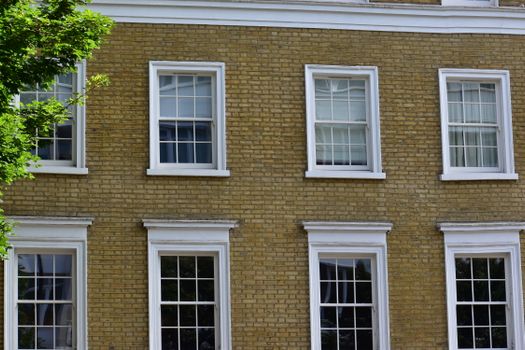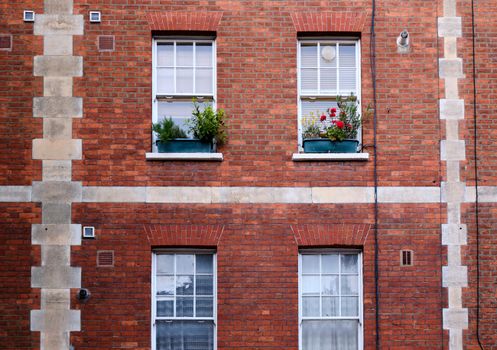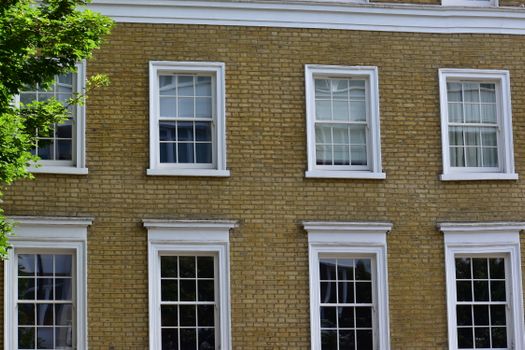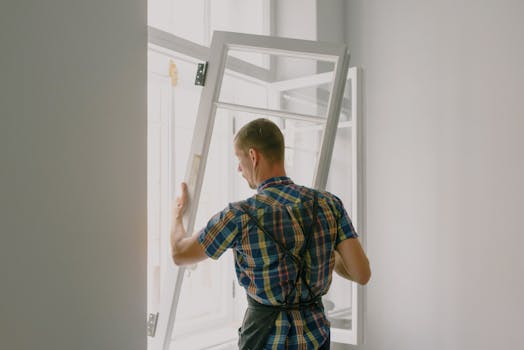
Historic windows are beloved features in many period homes, carrying stories of craftsmanship, architectural evolution, and the passage of time. From Georgian sashes to Victorian casements, these windows contribute significantly to a building’s character and value. However, the very age and authenticity that make them desirable also bring a unique set of challenges. Homeowners, renovators, and heritage enthusiasts frequently encounter issues that threaten the performance, energy efficiency, and longevity of these windows. Fortunately, with the right knowledge and approach, most problems can be addressed without sacrificing authenticity. This article explores the most common problems with historic windows and offers practical, sympathetic solutions for each.
Understanding the Unique Challenges of Historic Windows
Historic windows, typically defined as those installed before the mid-20th century, are constructed with materials and techniques that differ markedly from modern counterparts. Traditional joinery, single glazing, and hand-blown glass are just a few examples of their unique features. According to Historic England, an estimated 80% of the UK’s historic buildings retain at least some original windows, underscoring the scale of the issue.
The most common problems include:
- Draughts and poor insulation - Rotting or damaged timber - Stuck or misaligned sashes/casements - Broken or degraded glazing - Difficulties with hardware (locks, pulleys, cords) - Condensation and moisture ingressUnlike new installations, solutions for these problems must balance performance upgrades with the need to preserve historic fabric and aesthetic integrity. Failing to do so can reduce a building’s value and, in the case of listed buildings, breach legal protections.
.png)
Combatting Draughts and Improving Energy Efficiency
One of the most frequent complaints about historic windows is their tendency to let in cold air. Single glazing and gaps in old joinery can lead to significant heat loss. In fact, research by the Sustainable Traditional Buildings Alliance (STBA) shows that up to 15% of a period home’s heat can escape through poorly maintained windows.
Common solutions include:
- Draught proofing: Installing discreet brush strips or compression seals around the window frame can reduce air infiltration by up to 86%, according to the STBA. This intervention is reversible and minimally invasive. - Secondary glazing: This involves fitting a discreet, removable glazed panel to the inside of the window. Secondary glazing can reduce heat loss by up to 60% while maintaining the external appearance of the original windows. - Heavy curtains and shutters: Traditional solutions like lined curtains and internal wooden shutters can also improve thermal performance without altering the window itself.It is important to avoid replacing historic glass or frames unless absolutely necessary, as these are key heritage elements. Modern replacement windows rarely match the character or craftsmanship of originals.
Dealing with Rot and Timber Decay
Timber decay is a primary concern for owners of historic windows, especially in the damp UK climate. Rot can set in where paintwork has failed or moisture becomes trapped. According to the Society for the Protection of Ancient Buildings (SPAB), around 70% of window repairs in period properties are due to timber decay.
Typical solutions include:
- Localized splicing: Damaged sections of the frame or sash are carefully cut out and replaced with matching timber. This method preserves as much original material as possible. - Epoxy resin repairs: In cases of minor rot, specialist resins can be used to consolidate and rebuild the timber. These treatments, when done properly, are durable and maintain the appearance of the original joinery. - Improved drainage and maintenance: Ensuring that window sills are properly sloped, and that paintwork is kept in good condition, will help prevent future decay.In rare cases where the window is beyond repair, a like-for-like replacement using traditional materials and methods may be necessary—but always as a last resort.
Resolving Sticking, Jamming, and Poor Operation
Historic windows often become difficult to open and close over time. This is especially true for sash windows, where cords, weights, and pulleys may have failed. Poor operation can be caused by:
- Paint build-up: Repeated painting over decades can thicken joints, making movement stiff or impossible. - Warped or swollen timber: Changes in moisture levels can cause timber to expand or contract, misaligning sashes or casements. - Broken hardware: Sash cords may snap, or pulleys become worn.Solutions include:
- Careful stripping of old paint layers, especially at friction points. - Adjusting or trimming swollen timber under the guidance of a joiner. - Replacing cords, pulleys, or hardware with sympathetic, period-appropriate alternatives.A professional overhaul can restore full function while retaining original components wherever possible.
Glazing Issues: From Broken Panes to Historic Glass Preservation
The glass in historic windows is often as significant as the timber. Features like cylinder glass or crown glass, with their characteristic ripples and bubbles, are highly prized. Broken panes, failed putty, or rattling sashes are common issues.
Options for repair include:
- Reglazing with historic or reproduction glass: Specialist suppliers can provide glass that matches the look and feel of original material. - Replacing failed putty with traditional linseed oil putty, ensuring a tight, weatherproof seal. - Installing discreet glazing bars or restoration glass, which closely mimic the appearance of original panes.It is important to avoid using modern float glass in visible locations, as it lacks the character of historic glass.
Comparing Common Repair Approaches for Historic Windows
To help homeowners weigh their options, the following table compares the effectiveness, cost, and intrusiveness of some common repair solutions:
| Repair Solution | Effectiveness | Estimated Cost (per window) | Impact on Original Features |
|---|---|---|---|
| Draught Proofing | High (up to 86% reduction in draughts) | £80-£150 | Minimal, fully reversible |
| Secondary Glazing | High (up to 60% reduction in heat loss) | £200-£400 | None to low, fully reversible |
| Timber Splicing | Medium-High (localized repair) | £100-£250 | Low, preserves most original timber |
| Epoxy Resin Repair | Medium (for minor rot) | £60-£120 | Low, maintains appearance |
| Full Replacement | Very High (when repair is impossible) | £800-£2,000 | High, loss of original material |
These figures are based on UK averages as of 2024 and may vary depending on window size, location, and contractor.
Legal Considerations for Historic Window Repairs
Many historic homes in the UK are listed or located in conservation areas, placing legal obligations on owners. For example, over 500,000 structures in England are listed, according to Historic England’s 2023 register. In these cases:
- Any alteration affecting the character of a listed building requires Listed Building Consent from the local authority. - Even repairs using matching materials may need approval if they change appearance or materials. - Unauthorized work can result in fines or legal action.Before undertaking any repair or upgrade, it is crucial to consult with local conservation officers or seek advice from heritage specialists.
Preserving Authenticity While Upgrading Performance
A common misconception is that historic windows are inherently inefficient or beyond saving. In reality, studies have shown that, when properly maintained and sensitively upgraded, they can perform almost as well as modern replacements. For example, research by Glasgow Caledonian University found that a restored sash window with secondary glazing and draught proofing achieved a U-value (a measure of heat loss) of 1.7 W/m²K—a figure comparable to many modern double-glazed units.
The key to success is finding the right balance between preservation and performance. This means:
- Retaining as much original material as possible - Using reversible or sympathetic interventions - Avoiding unnecessary replacement - Documenting all repairs for future referenceEngaging experienced craftsmen and heritage professionals ensures that solutions respect both the building’s character and its long-term usability.
Final Thoughts on Troubleshooting Historic Window Issues
Historic windows are more than just architectural features—they are irreplaceable elements of a building’s identity and heritage. While they present unique maintenance challenges, the vast majority of problems can be solved with careful assessment and thoughtful intervention. From simple draught proofing to specialist timber repairs, solutions exist that protect both the past and the future of period homes.
For owners of listed or conservation area properties, understanding legal obligations is as important as technical know-how. By combining expert advice, skilled craftsmanship, and a respect for original features, you can enjoy the beauty and comfort of historic windows well into the future.