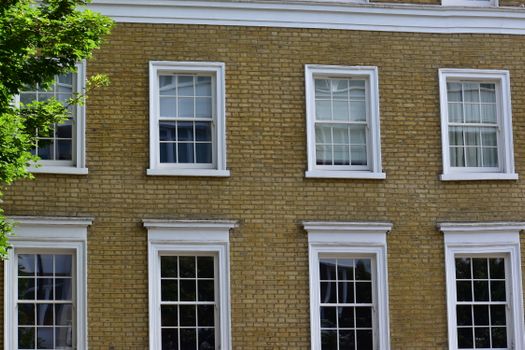
Sliding sash windows, with their timeless elegance and historical significance, have long been a hallmark of British architecture. But as homes and lifestyles evolve, so too does the approach to renovating these iconic windows. Today, homeowners and designers no longer settle for basic repairs or strictly traditional replacements. Instead, they’re embracing a new wave of trends that blend period charm with twenty-first-century comfort, efficiency, and style. In this article, we’ll explore the latest trends in sliding sash window renovations for modern living, from cutting-edge materials to smart technology and sustainable approaches that are transforming properties across the UK.
Blending Modern Performance with Classic Aesthetics
The central challenge in sash window renovation has always been balancing the preservation of architectural character with the demands of modern life. Recent trends show a clear shift toward solutions that respect original design while offering superior performance.
Traditionally, sash windows were crafted from softwood and single-pane glass, making them notoriously draughty and thermally inefficient. Today’s homeowners are opting for advanced double or even triple glazing, which can reduce heat loss by up to 60% compared to single glazing. In fact, a 2022 study by the British Fenestration Rating Council found that upgrading to high-spec double glazing in sash windows can lower annual energy bills by an average of £120 per household.
.png)
Yet, modern glazing doesn’t mean sacrificing aesthetics. Specialist manufacturers now offer ultra-thin double glazing, which preserves the slim sightlines of historic sashes. Laminated glass can also be specified for enhanced security and noise reduction—an important consideration in urban areas.
New finishes and paints mean that timber windows can now be protected against weathering for decades, with factory-applied microporous coatings lasting up to 12 years before requiring redecoration. For those seeking even lower maintenance, composite sash windows—combining real wood interiors with aluminium or uPVC exteriors—are gaining popularity.
Embracing Sustainability and Eco-Friendly Materials
Sustainability has become a key driver in home renovations, and sliding sash windows are no exception. The market is witnessing a notable shift towards eco-friendly materials and processes that reduce environmental impact without compromising quality.
FSC-certified timber is now widely available, ensuring that wood comes from sustainably managed forests. Some renovation specialists have introduced recycled glass units, which use up to 30% less energy in production than standard float glass. Paints and finishes with low or zero volatile organic compounds (VOCs) are also trending, promoting healthier indoor environments.
Moreover, the use of vacuum-insulated glass (VIG) is emerging as a groundbreaking trend. VIG can deliver the insulation of triple glazing in a pane just 8mm thick. Early adopters report both improved comfort and significant reductions in heating costs.
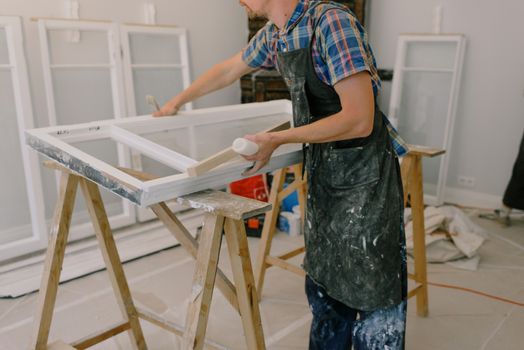
For period properties, the careful restoration and reuse of original sash components further support sustainable principles. Rather than full replacements, skilled joiners can splice in new timber only where needed, preserving as much of the original fabric as possible—a win-win for both the environment and heritage.
Smart Technology and Automation for Sash Windows
Home automation is no longer the realm of futuristic fiction—it’s fast becoming a standard expectation. Sliding sash windows are joining the smart home revolution, with new products allowing homeowners to control ventilation, security, and shading with the touch of a button.
Motorised sash window openers enable effortless operation, especially in tall or hard-to-reach windows. These systems can be integrated with smart home platforms such as Alexa, Google Home, or Apple HomeKit, allowing for remote control and scheduling. For example, windows can be set to open automatically in the evening to cool the house, or close when rain is detected.
Sensors for temperature, humidity, and air quality are also being incorporated into sash window systems. Some advanced models will adjust window positions to maintain optimal indoor conditions, reduce condensation risk, and even help regulate energy use.
For security, smart locks and sensors can alert homeowners if a window is left open or tampered with—an especially valuable feature for ground-floor or easily accessible windows. These systems are increasingly discreet, ensuring that the historical appearance of the window is not compromised.
Innovative Glazing and Acoustic Solutions
Another modern trend in sash window renovation is the focus on acoustic performance. With urban noise pollution on the rise—London, for example, averages street noise levels of 68 decibels in central areas—homeowners are demanding better sound insulation.
Specialised acoustic glass, which sandwiches a sound-dampening interlayer between panes, can reduce noise ingress by up to 50%. Secondary glazing, where an additional pane is installed inside the existing window, is also seeing renewed interest. This solution is particularly popular in listed buildings, as it offers improved thermal and acoustic performance with minimal impact on original features.
Low-emissivity (Low-E) coatings are another technological advancement, reflecting heat back into the room while letting in natural light. In combination with argon-filled units, these upgrades can help keep homes comfortable year-round, further reducing reliance on heating and cooling systems.
Made-to-Measure and Bespoke Design Trends
Personalisation is at the forefront of modern sash window renovations. Rather than settling for standard options, homeowners are opting for bespoke solutions tailored to their property and lifestyle.
Advanced digital measuring and CNC manufacturing allow for millimetre-perfect replicas of original sashes, even in irregular or non-standard openings. Custom glazing bars, horn details, and even etched or coloured glass are being used to create one-of-a-kind features.
Colour choice has also expanded dramatically. While traditional white is still popular, contemporary shades—such as deep blues, greys, and even two-tone finishes—are increasingly in demand. Some manufacturers offer over 200 RAL colours, enabling windows to become a statement feature rather than simply a background element.
Hardware is another area where customisation shines. From period-accurate brass and chrome to minimalist modern designs, the choice of locks, pulleys, and handles can be tailored to complement any interior style.
Comparing Popular Sash Window Renovation Options
The variety of options available can make choosing the right renovation approach daunting. The table below compares key characteristics of the most popular solutions for sliding sash window upgrades.
| Renovation Option | Thermal Efficiency (U-value) | Typical Lifespan | Maintenance Needs | Approximate Cost (per window) |
|---|---|---|---|---|
| Single Glazing Restoration | 5.0 W/m²K | 50+ years (with maintenance) | High (regular upkeep) | £500 - £900 |
| Double Glazed Timber Sash | 1.4 - 1.8 W/m²K | 40+ years | Medium | £1,000 - £1,800 |
| Composite Sash (Timber/Alu) | 1.2 - 1.5 W/m²K | 50+ years | Low | £1,400 - £2,200 |
| Secondary Glazing | 1.7 - 2.0 W/m²K | 20+ years | Low | £400 - £700 |
| Vacuum-Insulated Glass (VIG) | 0.7 - 0.9 W/m²K | 30+ years | Medium | £1,800 - £2,800 |
Final Thoughts on Sliding Sash Window Renovations for Modern Living
The landscape of sliding sash window renovations is evolving faster than ever before, shaped by innovations in materials, sustainability, smart technology, and bespoke design. No longer must homeowners choose between period authenticity and modern comfort—today’s solutions offer the best of both worlds.
Whether you’re restoring original sashes, adding discreet smart automation, or opting for energy-saving glazing, the latest trends ensure that your windows will enhance both the performance and the personality of your home. As the market continues to innovate, expect even more exciting options to emerge—making sash window renovation a cornerstone of modern, sustainable, and stylish living for years to come.