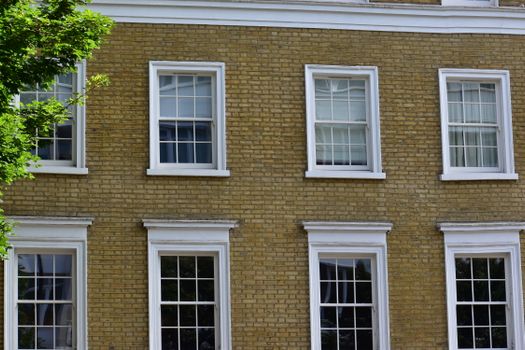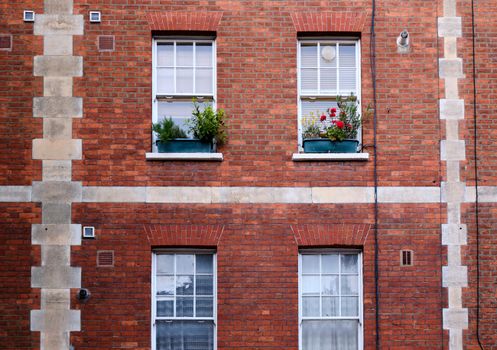
Sliding sash windows are a beloved architectural feature across the United Kingdom and beyond, renowned for their timeless elegance, smooth operation, and historic charm. Whether gracing the façade of a Georgian townhouse, a Victorian villa, or a contemporary home that values heritage aesthetics, sash windows are both functional and beautiful. But as time passes, even these classic windows may require attention to restore their beauty, improve energy efficiency, and ensure their continued operation. Renovating sliding sash windows is a rewarding process that preserves history, increases property value, and enhances comfort. This comprehensive guide will walk you through everything you need to know about renovating sliding sash windows, including reasons for renovation, the process, costs, materials, and how to choose between repair and replacement.
Understanding Sliding Sash Windows: A Brief Overview
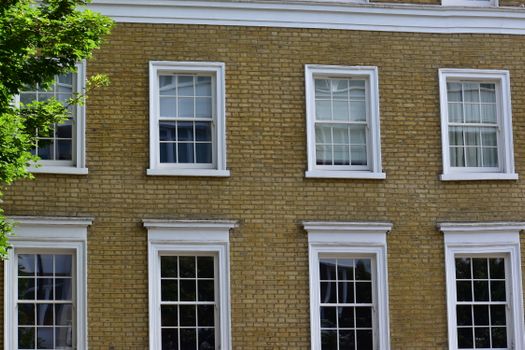
Sliding sash windows were first introduced in the late 17th century and quickly became a hallmark of English architecture. These windows consist of two or more movable panels, or “sashes,” that slide vertically within the frame. Each sash is balanced by counterweights or spiral balances, allowing for smooth, effortless operation.
Notable facts about sliding sash windows: - The earliest sash windows appeared around 1670, with widespread popularity throughout the 18th and 19th centuries. - Original sash windows are usually made from slow-grown pine or oak, contributing to their longevity. - Over 80% of homes built before 1914 in the UK feature original sash window designs.While their aesthetic appeal is undoubted, older sash windows often lack the insulation and security features of modern alternatives. Renovation offers a path to blend historical integrity with contemporary comfort.
.png)
Top Reasons Homeowners Renovate Sliding Sash Windows
Why undertake the renovation of sliding sash windows? There are several compelling reasons:
1. $1: In conservation areas or listed buildings, maintaining original features is essential. Renovation retains the unique historical and architectural value of your property. 2. $1: Unrenovated sash windows can account for up to 25% of a home’s heat loss, according to Historic England. Renovation can include fitting draught-proofing, double glazing, or secondary glazing, leading to significant energy savings. 3. $1: Over time, sash cords can snap, timber can swell or rot, and locks may become obsolete. Renovation restores smooth operation and modern security without sacrificing period detail. 4. $1: Well-renovated sash windows can increase a property’s value by up to 10%, as per UK estate agents, thanks to improved curb appeal and energy efficiency. 5. $1: Renovating original sash windows is often less expensive than full replacement, especially in listed properties where replacements must meet strict criteria.The Renovation Process: Step by Step
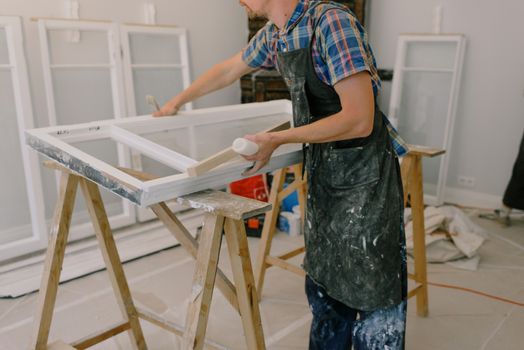
Renovating sliding sash windows involves several stages, each crucial for achieving a quality, long-lasting result. Here’s a typical renovation timeline:
1. $1: A professional will inspect your windows to determine the extent of repairs needed, check for rot, assess the condition of the frame and sashes, and advise on glazing and draught-proofing options. 2. $1: The sashes are carefully removed from the frame, taking care to preserve original glass and timber wherever possible. 3. $1: Rotten or damaged wood is either spliced with new timber or, if necessary, replaced. Epoxy resins or traditional joinery techniques are used to restore structural integrity. 4. $1: Broken cords are replaced, pulleys lubricated or swapped, and weights balanced to restore smooth movement. 5. $1: Where original glass is intact, it is usually retained for heritage reasons. However, it’s increasingly common to retrofit slimline double glazing or install secondary glazing for better insulation. 6. $1: Modern draught-proofing strips are discreetly installed around the sashes and frame, significantly reducing heat loss and external noise. 7. $1: The sashes are reinstalled, new locks and hardware fitted if required, and the window is primed and painted with breathable paints.The entire process typically takes 1-3 days per window, depending on the level of repair required.
Cost Comparison: Renovation vs. Replacement
A common question is whether to renovate existing sash windows or replace them entirely. Here’s a comparison of both options using UK averages for a standard-sized window:
| Aspect | Renovation | Full Replacement |
|---|---|---|
| Average Cost per Window | £400 - £700 | £1,200 - £2,000 |
| Time Required | 1-3 days | 2-4 days |
| Energy Efficiency | Good (with upgrades) | Excellent |
| Historical Authenticity | Preserved | May be compromised |
| Planning Permission Required | Rarely | Often (esp. listed buildings) |
| Environmental Impact | Low (reuse materials) | Higher (new materials) |
Renovation is generally more cost-effective and sustainable, especially for period properties, while full replacement is justified when windows are beyond repair or where maximum energy performance is required.
Choosing Materials and Upgrades for Your Renovation
Material choice and upgrade options play a pivotal role in the outcome of your window renovation. Here’s what to consider:
- $1: Opt for high-quality, slow-grown hardwoods such as oak or Accoya for longevity. Modern treatments can increase the lifespan of new spliced-in timbers to over 60 years. - $1: Slimline double glazing is now available at just 11mm thick, allowing for installation in most original sashes without compromising aesthetics. Secondary glazing is a reversible, non-invasive option, reducing heat loss by up to 65% according to the Energy Saving Trust. - $1: Modern brush or foam weatherstrips can reduce draughts and rattles by up to 86%, making your home quieter and warmer. - $1: Breathable microporous paints are recommended, allowing timber to “breathe” and reducing the risk of rot. - $1: Polished brass, chrome, or period-accurate ironmongery can be chosen to match your home’s character.Always discuss options with your contractor, ensuring that any upgrades meet local planning or conservation requirements.
Common Pitfalls and How to Avoid Them
Renovating sliding sash windows is a specialist job, and mistakes can be costly. Here are some common pitfalls and expert tips for avoiding them:
- $1: Excessive layers of paint can gum up moving parts and seal sashes shut. Always strip back paint and repaint with care. - $1: If the sash weights are not balanced correctly, windows may slam shut or refuse to stay open. Professional balance ensures smooth, safe operation. - $1: Glossy, impermeable paints trap moisture, leading to rot. Always use breathable exterior paints designed for timber. - $1: Sash windows help ventilate homes naturally. Ensure that draught-proofing doesn’t eliminate essential airflow, particularly in older homes. - $1: While minor maintenance is possible for the home DIYer, full renovations require specialist tools, knowledge, and sometimes compliance with heritage regulations. Always consult experienced sash window renovators.How to Select a Reliable Sash Window Renovation Specialist
Choosing the right professional is key to a successful renovation. Look for the following:
- $1: Choose a company with a proven track record in sash window renovation, especially with period properties. - $1: Membership in organisations such as the Federation of Master Builders or the Guild of Master Craftsmen is a good sign. - $1: Ask for before-and-after examples or customer testimonials. - $1: Ensure the contractor has public liability insurance and offers clear warranties on work. - $1: For listed buildings, confirm the specialist is familiar with local conservation rules and can handle planning permission if needed.A reputable renovator will provide a clear, itemised quote, explain all options, and communicate throughout the process.
Final Thoughts: The Lasting Value of Renovating Sliding Sash Windows
Renovating sliding sash windows is more than a cosmetic upgrade—it’s an investment in your home’s heritage, comfort, and value. The process blends traditional craftsmanship with modern technology, ensuring your windows remain as functional and beautiful as the day they were first installed. With the right approach, you can enjoy improved energy efficiency, security, and curb appeal, all while preserving the unique character of your property for generations to come.