Restoration of Sliding Sash Windows in Heritage Zones: What You Should Know
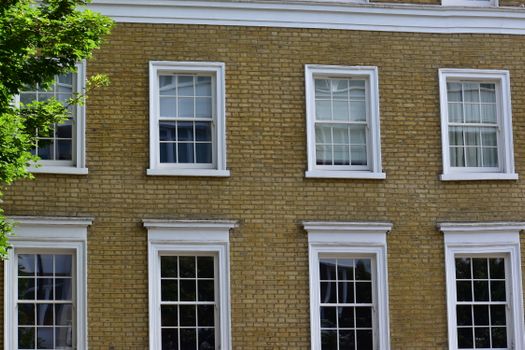
Sliding sash windows are a hallmark of British architectural heritage, gracing period properties from the Georgian, Victorian, and Edwardian eras. Their elegant proportions and distinctive operation make them both a functional and aesthetic asset. However, in heritage zones—areas protected for their historical or architectural significance—restoring sliding sash windows is far more than a simple DIY project. Homeowners must navigate a complex web of regulations, conservation principles, and technical challenges to ensure these cherished features are preserved appropriately.
If you own or manage a property in a designated heritage area, understanding the restoration process is essential. This article explores the unique considerations, legal requirements, technical aspects, and potential benefits of restoring sliding sash windows within heritage zones, arming you with the knowledge needed to make informed decisions.
Understanding Heritage Zone Restrictions and Permissions
Heritage zones, often known as Conservation Areas or listed building environments, exist to protect the historic character of entire neighborhoods or specific buildings. According to Historic England, there are over 10,000 designated Conservation Areas in England alone, each with its own rules. If your property is located within such a zone, the restoration of original features like sliding sash windows falls under strict guidelines.
.png) Key facts to know:
- Any external alteration, including window restoration, may require planning permission or listed building consent.
- Unauthorized work can result in legal action, fines, or enforced reversal.
- Local authorities usually insist that original materials, proportions, and profiles are retained, or, where replacement is unavoidable, that new elements are indistinguishable from the originals.
Before commencing any work, consult your local authority’s Conservation Officer. They can provide guidance on:
- What constitutes “repair” versus “replacement” in your context.
- Approved materials and finishes (e.g., timber type, glazing style, paint colors).
- Whether double glazing or draught-proofing is permissible.
Key facts to know:
- Any external alteration, including window restoration, may require planning permission or listed building consent.
- Unauthorized work can result in legal action, fines, or enforced reversal.
- Local authorities usually insist that original materials, proportions, and profiles are retained, or, where replacement is unavoidable, that new elements are indistinguishable from the originals.
Before commencing any work, consult your local authority’s Conservation Officer. They can provide guidance on:
- What constitutes “repair” versus “replacement” in your context.
- Approved materials and finishes (e.g., timber type, glazing style, paint colors).
- Whether double glazing or draught-proofing is permissible.
Failure to follow these steps can not only diminish your property’s value but also cause irreversible harm to the historic fabric of your home.
Assessing the Condition of Heritage Sliding Sash Windows
A critical early stage in any restoration project is a detailed condition survey. Many sash windows from the 18th and 19th centuries have survived two centuries of British weather, war, and neglect, yet only about 40% of original sash windows remain in London’s historic districts (English Heritage, 2022). Restoration decisions should be based on a careful assessment that distinguishes between cosmetic deterioration and structural failure.
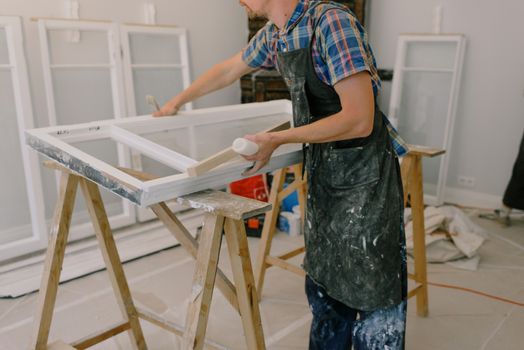
Common issues found in heritage sash windows include: - Decayed or rotten timber in sills, frames, or sashes. - Broken sash cords and inefficient pulley systems. - Warped or misaligned sashes leading to draughts and rattling. - Flaking paint and failed putty. - Single-glazing with poor thermal or acoustic performance.A specialist in heritage window restoration will use hand tools and traditional joinery techniques to determine what components can be repaired and what—if any—require replacement. In most cases, up to 85% of the original material can be conserved with skilled intervention, preserving both the window’s character and the integrity of your home.
Traditional Techniques vs. Modern Upgrades: A Comparative Overview
A central challenge in heritage sash window restoration is balancing traditional craftsmanship with modern performance needs. Conservation principles usually dictate a “like-for-like” approach, but sympathetic modernization is sometimes allowed to address energy efficiency, security, or usability.
Below is a comparison of traditional and modern restoration options:
| Aspect | Traditional Restoration | Modern Upgrades (Where Permitted) |
|---|---|---|
| Glazing | Hand-blown or cylinder glass; single glazing | Thin-profile double glazing or secondary glazing |
| Timber | Original hardwood (oak, pine) | Engineered wood or treated softwood for improved durability |
| Draught-proofing | Traditional brush or felt seals | Discrete modern draught-proofing systems |
| Paint Finish | Linseed oil-based paints | Microporous acrylic paints for longer life |
| Security | Original catches and stops | Modern sash locks and restrictors (if visually unobtrusive) |
It’s important to note that in most listed buildings, visible alterations—such as uPVC windows—are almost always prohibited. However, subtle enhancements like slimline double glazing or concealed draught-proofing may be negotiated with the Conservation Officer, provided they do not impact the window’s external appearance.
Choosing the Right Specialist for Heritage Window Restoration
Restoring sliding sash windows in heritage zones is a highly specialized field. Not all joiners or window companies are equipped to meet the rigorous standards required by conservation authorities. According to the Federation of Master Builders, only about 15% of UK window contractors have specific training in heritage restoration.
When selecting a specialist, look for: - Accreditation from bodies such as the Institute of Conservation (Icon) or Historic England. - Documented experience working on listed or heritage properties. - A portfolio that demonstrates sensitive repairs, not just replacements. - Willingness to liaise with your local Conservation Officer on your behalf. - Transparent quotations detailing materials, techniques, and compliance with regulations.A reputable specialist will always prioritize repair over replacement, using traditional materials and methods wherever possible. They should also offer a clear plan for ongoing maintenance, as well-preserved sash windows can last 100 years or more with periodic attention.
Long-Term Benefits: Value, Efficiency, and Sustainability
Investing in the proper restoration of sliding sash windows within heritage zones offers several compelling advantages:
1. $1 Authentic sash windows contribute significantly to a building’s character and market value. According to the Royal Institution of Chartered Surveyors, properties with original features intact can command a premium of up to 20% over those with unsympathetic alterations. 2. $1 While heritage windows are often criticized for their draughtiness, sensitive draught-proofing and secondary glazing can cut heat loss by up to 65% (English Heritage study, 2020) without sacrificing appearance. 3. $1 Repairing existing timber sashes uses far less energy and resources than manufacturing new windows. Timber is a renewable material, and restoration prevents historic components from ending up in landfill. 4. $1 Proper restoration ensures you meet all statutory requirements, avoiding fines or enforcement notices that can result from unauthorized work.In short, restoring heritage sash windows is not simply an exercise in nostalgia—it’s an investment in your property’s future and a contribution to the local and national heritage.
Potential Pitfalls and How to Avoid Them
Despite the clear benefits, there are common mistakes homeowners make when embarking on heritage sash window restoration:
- $1 Even identical replacements may require consent in heritage zones. Always check before proceeding. - $1 Modern paints, hard tropical timbers, or plastic components may be rejected by conservation officers. - $1 Excessive renewal of original elements can diminish historic value. Less is more—conserve as much as possible. - $1 Restored sash windows still need regular upkeep. Failure to repaint or attend to minor issues may result in costly repairs later. - $1 While tempting, heritage restoration requires specialized skills and tools. Inexperienced efforts can cause irreparable damage.By working closely with conservation professionals and adhering to best practices, you can safeguard your home’s legacy for generations to come.
Final Thoughts: Making the Most of Sash Window Restoration in Heritage Zones
Restoring sliding sash windows in heritage zones is an intricate blend of art, science, and legal compliance. It’s a process that demands respect for the past, technical know-how, and a willingness to work within established frameworks to achieve stunning, lasting results. With careful planning, expert guidance, and a commitment to preservation, you can ensure your property retains its historical charm while enjoying the benefits of modern comfort and efficiency.
Remember: every well-restored sash window is not just a triumph of craftsmanship, but a gift to future generations and a vital part of our shared architectural legacy.