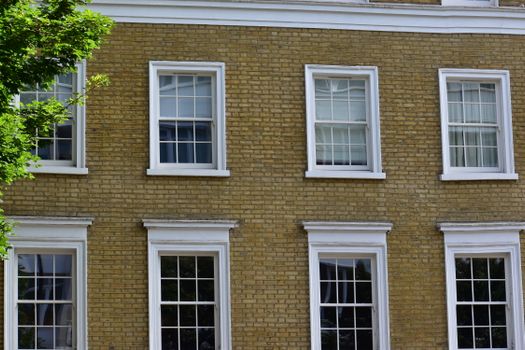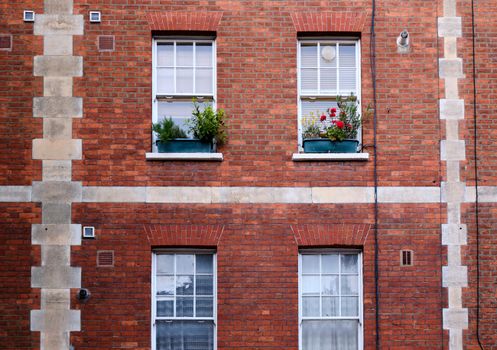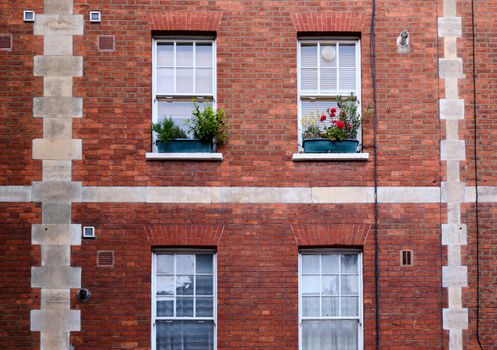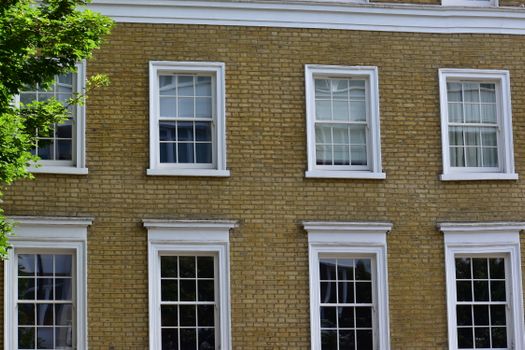
Sliding sash windows are iconic features of heritage buildings, admired for their elegance and historical significance. These windows, dating back to the 17th century, are commonly found in Georgian, Victorian, and Edwardian architecture across the UK and beyond. However, their delicate structure and age present unique challenges when it comes to repair and restoration. Understanding the correct procedures for repairing sliding sash windows in heritage buildings is essential for maintaining both the building’s character and compliance with conservation standards. This article explores the step-by-step procedures, legal considerations, materials, and techniques that ensure these architectural treasures continue to grace our streets for centuries to come.
The Importance of Sensitive Repairs in Heritage Buildings
Repairing sliding sash windows in heritage buildings is not just about function; it’s about preserving cultural history. According to Historic England, over 80% of listed buildings in the UK feature original sash windows, and inappropriate repairs can significantly diminish a building’s value and authenticity. Conservation officers and heritage bodies emphasize retaining as much original fabric as possible, using traditional methods and materials. Modern replacements or unsympathetic alterations can even be illegal in protected properties, risking fines or enforcement action.
Furthermore, improper repairs can affect a building’s energy efficiency and comfort. Research by the Building Research Establishment (BRE) found that well-maintained historic windows, when repaired and draught-proofed, can achieve similar thermal performance to modern double-glazed units. This underscores the importance of following proper repair procedures, both for heritage preservation and modern living standards.
.png)
Surveying and Assessing Sliding Sash Window Condition
The first step in any repair project is a thorough assessment. This process involves more than a cursory glance; it requires detailed inspection, documentation, and sometimes specialist input.
Key Assessment Steps: - Visual Inspection: Check for rot, cracked or broken glass, failed joints, worn ropes, and missing putty. - Joinery Examination: Probe timber with a bradawl to detect hidden soft spots or decay, especially at sills and lower rails. - Paint Condition: Look for flaking, blistering, or multiple overpainted layers that may conceal damage. - Hardware and Mechanisms: Assess the condition of sash cords, pulleys, weights, and locks. - Heritage Significance: Identify features of architectural or historical value that must be preserved.In some cases, especially for Grade I or II* listed buildings, engaging a conservation-accredited surveyor or joiner is advisable. Photographs, detailed notes, and even measured drawings can form part of the official record, guiding both repairs and any future interventions.
Legal and Conservation Considerations for Heritage Window Repairs
Heritage buildings often fall under strict legal protections. In the UK, for example, works to listed buildings that affect their character require Listed Building Consent — a legal requirement under the Planning (Listed Buildings and Conservation Areas) Act 1990. Unauthorized works can result in criminal prosecution and orders for reversal.
Key Legal Points: - Always check the building’s listing status with your local authority. - Obtain Listed Building Consent before undertaking repairs that alter appearance, materials, or structural elements. - Even “like-for-like” repairs may require approval if they affect significant features. - In Conservation Areas, additional restrictions may apply, even for unlisted buildings.Working with a conservation officer or heritage architect ensures compliance and helps select appropriate repair methods. It’s important to retain documentation of all correspondence, consents, and works for future reference.
Step-by-Step Procedures for Repairing Sliding Sash Windows
Once assessment and permissions are in place, the repair process can begin. Unlike wholesale replacement, repairing sliding sash windows in heritage buildings focuses on retaining as much original material as possible.
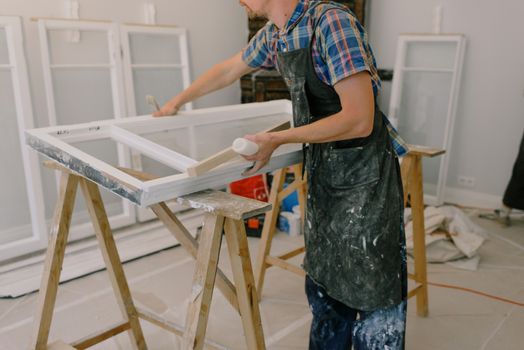
1. Careful Removal of Sashes - Remove staff and parting beads gently to free the sashes. - Number and label all components for reassembly. - Take care not to damage fragile glass or decorative features. 2. Timber Repairs - Assess timber for rot and decay. - Excise decayed areas with sharp tools. - Splice in new timber using matching species (often slow-grown pine or oak). - Use traditional joinery techniques, such as scarf or finger joints, rather than modern adhesives or fillers. 3. Glass and Putty - Retain original glass where possible; old “cylinder” or “crown” glass adds distinctive character. - If glass is broken or missing, source antique or reproduction glass. - Re-bed glass with linseed oil putty, not modern silicone, for authenticity and breathability. 4. Hardware Restoration - Clean and lubricate pulleys. - Replace sash cords with waxed cotton or braided hemp. - Rebalance sashes with original or replica weights. 5. Draught-Proofing and Weather Sealing - Install discreet brush or pile seals in parting and staff beads. - Ensure a tight fit without impeding sash movement. 6. Reassembly and Finishing - Reinstall sashes, ensuring smooth operation. - Prime and repaint using breathable, microporous paints. - Use traditional colour palettes where required by conservation authorities.These procedures not only restore function but also maintain the historical integrity of the window and the building as a whole.
Materials and Techniques: Traditional vs. Modern Approaches
Selecting the right materials and techniques is crucial in heritage window repairs. Using inappropriate materials can accelerate decay, compromise appearance, or violate conservation rules.
| Aspect | Traditional Approach | Modern Alternative | Conservation Recommendation |
|---|---|---|---|
| Timber | Slow-grown softwood (pine, oak) | Engineered softwood, hardwoods, composites | Match original species and grain |
| Glazing | Mouth-blown or cylinder glass | Toughened, laminated, or double-glazed | Retain or source period glass |
| Putty | Linseed oil putty | Silicone or acrylic sealants | Use traditional putty for breathability |
| Paint | Linseed oil-based paints | Acrylic or solvent-based paints | Use microporous, breathable coatings |
| Sash Cord | Waxed cotton or hemp | Synthetic nylon or polyester | Natural fibres preferred for authenticity |
The table above highlights the differences between traditional and modern methods. In almost all cases, conservation best practice favours traditional materials. These allow the building to “breathe,” reducing the risk of trapped moisture and decay, and preserve the authentic look and feel of the sash window.
Challenges and Solutions in Heritage Sash Window Repairs
Repairing historic sliding sash windows comes with unique challenges. For example, rot can sometimes be extensive, or previous repairs may have used unsuitable materials. Additionally, issues like lead paint, asbestos putty, or restricted access complicate repairs.
Common Challenges: - Severe rot or structural damage: Where over 30-40% of the timber is affected, splicing may not be viable, and specialist advice is needed. - Lead paint: Common in pre-1960s windows; requires careful handling and disposal under health regulations. - Access restrictions: Upper floors or windows with intricate glazing may require scaffolding or specialist lifting equipment. - Security and safety: Maintaining period locks while meeting modern security standards is often a balancing act.Solutions include engaging specialist contractors with heritage experience, using non-invasive repair techniques, and prioritizing minimal intervention. In some cases, “overhaul and draught-proof” services are available — these combine repair, upgrade, and weather sealing with minimal disturbance.
Ensuring Long-Term Performance and Compliance
Properly repaired sliding sash windows, when maintained, can last another century or more. The key is ongoing care: - Regularly check paintwork and recoat every 5-7 years. - Keep sash cords and pulleys in good working order. - Clean and lubricate moving parts annually. - Address minor defects promptly before they escalate.It’s also wise to retain records of all repairs and permissions for future reference. This documentation is valuable for insurance, resale, and ongoing conservation management.
Preserving Heritage Through Expert Sash Window Repairs
Repairing sliding sash windows in heritage buildings is a craft that blends history, architecture, and technical expertise. By following assessed, conservation-led procedures, property owners can protect the character and value of their buildings while ensuring comfort and sustainability for future generations. Whether you are a homeowner, property manager, or heritage enthusiast, understanding the right approach empowers you to make informed decisions that respect both the past and the present.