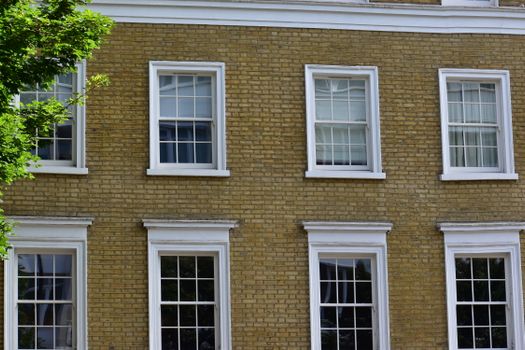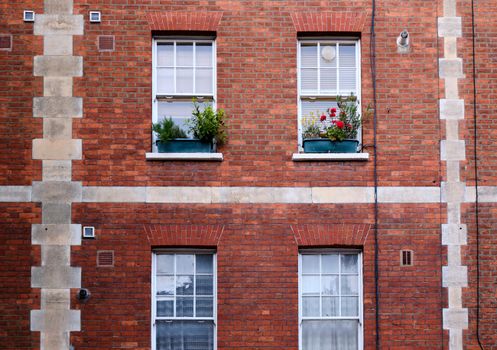
Sash windows are an architectural hallmark across the UK, admired for their elegance and classic design. When it comes to replacing or installing new sash windows, homeowners face a pivotal choice: should you opt for traditional wooden sash windows or modern uPVC sash windows? Each material offers unique benefits and drawbacks, and your decision can significantly impact your home’s appearance, energy efficiency, maintenance needs, and long-term value.
This article explores the nuanced differences between wooden and uPVC sash windows, helping you make an informed decision tailored to your home’s needs, your budget, and your personal style.
The Heritage and Appeal of Wooden Sash Windows
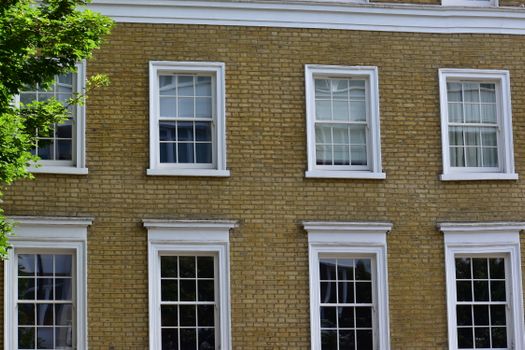
Wooden sash windows have graced British homes since the 17th century, becoming synonymous with Georgian, Victorian, and Edwardian architecture. Their authentic appearance and tactile beauty make them a favourite for period renovations and anyone seeking a timeless look.
.png)
Wooden sash windows are typically crafted from hardwoods such as oak, sapele, or engineered softwoods like redwood pine. These materials allow for intricate detailing, slim sightlines, and an authentic feel that’s hard to replicate with synthetic alternatives. In fact, English Heritage notes that more than 90% of listed buildings with sash windows must use timber to maintain architectural integrity.
One of the standout qualities of wooden sash windows is their ability to be restored and repaired, sometimes lasting over a century if properly maintained. Unlike uPVC, which may degrade beyond repair, a skilled craftsman can refurbish original timber sashes, preserving a home’s historical value.
However, wooden sash windows require ongoing maintenance. Regular painting or staining is necessary to prevent rot, warping, or insect attack. If neglected, timber can deteriorate, leading to draughts and diminished performance.
The Rise of uPVC Sash Windows: Modern Convenience Meets Classic Style
uPVC (unplasticized polyvinyl chloride) sash windows have surged in popularity since the 1980s, offering a low-maintenance, affordable alternative to timber. uPVC is a durable plastic material that resists weather, moisture, and pests without the need for painting or staining.
The latest uPVC sash windows are a far cry from their early counterparts. Modern manufacturing techniques mean these windows can closely mimic the appearance of timber, including woodgrain finishes, sash horns, and authentic profile shapes. According to the Glass and Glazing Federation, uPVC windows now account for over 80% of the UK’s replacement window market, underlining their widespread appeal.
Benefits of uPVC sash windows include:
- Minimal maintenance: Just an occasional clean with soapy water is sufficient. - High thermal efficiency: Multi-chambered frames and modern double glazing mean uPVC windows can achieve A+ energy ratings. - Cost-effectiveness: uPVC is typically 30-50% cheaper than new timber sash windows. - Longevity: Most uPVC sash windows come with 10-20 year guarantees, and the material can last over 30 years under normal conditions.On the downside, uPVC cannot be easily repaired if damaged and may be unsuitable for listed or conservation properties where timber is required by planning authorities.
Comparing Wooden and uPVC Sash Windows: Key Factors
Choosing between wooden and uPVC sash windows goes beyond aesthetics. Consider these critical factors:
1. Appearance & Authenticity Wooden sash windows deliver unmatched authenticity, with slimmer frames and the ability to match historic mouldings. While uPVC has improved, it can still appear bulkier and less refined, especially up close. 2. Maintenance Requirements Timber requires repainting or re-staining every 5-8 years, with occasional repairs. uPVC needs little more than a wash, making it ideal for busy homeowners. 3. Durability & Lifespan Quality timber windows can last 60-100 years with proper care. uPVC typically lasts 30-40 years, though exposure to UV and weather can cause discolouration or brittleness over time. 4. Energy Efficiency Both materials can be fitted with high-performance double or triple glazing. However, uPVC frames often achieve slightly better energy ratings due to multi-chambered construction that reduces heat loss. 5. Environmental Impact Timber is a renewable resource and, when sourced responsibly, is the most eco-friendly choice. uPVC production is energy-intensive and relies on fossil fuels, but it is recyclable at the end of its life. 6. Cost uPVC sash windows are usually cheaper to purchase and install. Timber windows are a premium product, with higher upfront costs but potentially greater value retention.Cost Breakdown: Wooden vs uPVC Sash Windows
Let’s look at average costs in the UK (2024 data), including supply and installation for a standard-size sash window:
| Window Type | Typical Cost per Window | Expected Lifespan | Maintenance |
|---|---|---|---|
| Wooden Sash Window | £1,200 - £2,000 | 60-100 years | Repainting every 5-8 years; repairs as needed |
| uPVC Sash Window | £700 - £1,000 | 30-40 years | Minimal; occasional cleaning |
It’s clear that uPVC has a lower initial cost, but high-quality timber can offer better longevity and a potential for restoration, making it a sound investment for period properties or those seeking long-term value.
Planning Permission, Conservation, and Resale Value
Your choice may be influenced by local regulations and the nature of your property. If you live in a listed building or a conservation area, planning authorities typically require replacement windows to match the original materials and style. In 2022, Historic England reported that over 95% of sash window replacements in conservation areas used timber to comply with planning regulations.
For houses outside these zones, uPVC can be installed freely. However, keep in mind that in characterful neighbourhoods, the use of uPVC may affect your home’s marketability. A 2021 survey by the Royal Institution of Chartered Surveyors (RICS) found that period properties with well-maintained timber sash windows sold for up to 10% more than similar homes fitted with uPVC alternatives.
If you’re concerned about future resale value or wish to maintain architectural authenticity, timber may be the better choice. If convenience, cost, and minimal maintenance top your list, uPVC is a practical solution.
Thermal Performance and Security Considerations
Both wooden and uPVC sash windows can achieve excellent thermal performance with modern glazing. The British Fenestration Rating Council (BFRC) rates windows from A++ (most efficient) to E (least efficient). Most uPVC sash windows achieve at least an A rating, while timber windows can reach similar levels with proper draught-proofing and double glazing.
Security is another important factor. Both timber and uPVC windows can be fitted with multi-point locking systems, restrictors, and laminated glass for enhanced safety. In a 2023 survey, over 85% of new sash windows—regardless of material—were equipped with upgraded security features to meet the demands of modern homeowners and insurance companies.
Sustainability and Environmental Impact
Increasingly, homeowners are weighing the environmental impact of their building choices. Timber sash windows made from FSC-certified wood boast low embodied carbon, can be repaired rather than replaced, and are biodegradable at end of life. The Wood Window Alliance claims that timber windows have a negative carbon footprint when sustainably managed.
uPVC, while recyclable, is made from petroleum-based materials, and its production releases greenhouse gases. However, many manufacturers now recycle old uPVC frames into new products, and the average recycled content in UK uPVC windows surpassed 25% in 2023.
If environmental sustainability is a top priority, responsibly sourced timber is the clear winner. For those seeking a balance between cost, performance, and moderate eco-credentials, uPVC remains a popular option.
Making the Right Choice for Your Home
Ultimately, the decision between wooden and uPVC sash windows depends on your property’s character, your budget, and your personal priorities. Here’s a quick summation:
- Choose wooden sash windows if you live in a period property, want an authentic aesthetic, and are prepared for ongoing maintenance. - Choose uPVC sash windows for a cost-effective, low-maintenance solution that still offers classic styling and solid performance.Both materials have evolved to meet modern standards for energy efficiency, security, and durability. By weighing the factors most important to you—be it price, authenticity, maintenance, or environmental impact—you can select sash windows that enhance your home for decades to come.