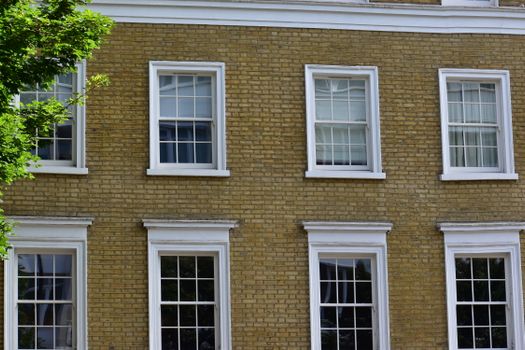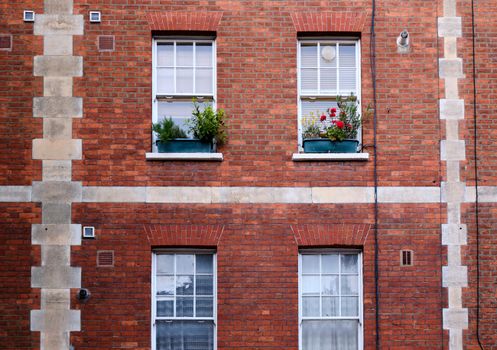
Sliding sash windows are one of the most distinctive architectural features found in period properties across the UK and beyond. Whether gracing the façade of a Georgian townhouse or lending charm to a Victorian villa, these windows are not merely functional—they are integral to the historic beauty and character of a building. Yet, as time passes, even the sturdiest sash windows can suffer from age, weather, and neglect. The challenge for property owners and conservationists is clear: how to restore sliding sash windows so that they not only function efficiently but also retain their authentic historic look.
In this comprehensive guide, we’ll explore the subtle art and science of restoring sliding sash windows, focusing on techniques and considerations that preserve heritage integrity. You’ll learn why careful restoration matters, discover the main steps and materials involved, and understand how to balance modern performance with historical accuracy.
The Historical Significance of Sliding Sash Windows
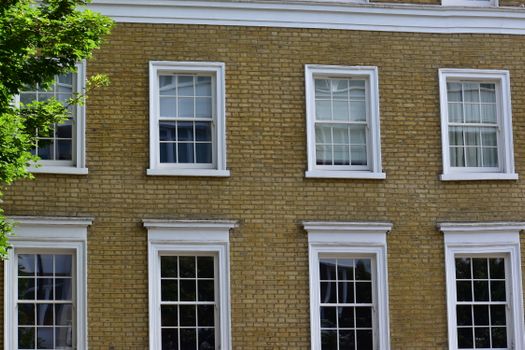
Sliding sash windows have been an architectural staple since the late 17th century, evolving through the Georgian, Victorian, and Edwardian eras. Their hallmark vertical sliding mechanism, delicate glazing bars, and elegant proportions are not just decorative—they reflect centuries of craftsmanship and changing building regulations.
.png)
According to Historic England, over 70% of pre-1919 homes in the UK were built with timber sash windows. These windows are often cited as a defining feature on listed and heritage properties, with strict guidelines in place for their restoration.
Preserving original sash windows contributes to: - Maintaining architectural authenticity - Sustaining property value (restored period homes can command a 15-20% premium) - Retaining unique craftsmanship not replicable with modern, mass-produced unitsUnderstanding the window’s period, profile, and joinery details is the foundation of any restoration project. Every era introduced subtle design variations—in glazing patterns, horn details, and sash proportions—so attention to these is key for an authentic result.
Common Problems in Aging Sash Windows
Before embarking on restoration, it’s crucial to assess the typical issues found in old sash windows. Some of the most prevalent problems include:
- Rotten timber in sills, rails, or frames (especially after decades of water ingress) - Stuck or painted-shut sashes - Broken or frayed sash cords - Loose, rattling glass panes - Draughts and poor thermal performance - Flaking paint and surface weatheringA 2022 survey by the Society for the Protection of Ancient Buildings (SPAB) found that over 60% of sash windows in heritage homes suffer from moderate to severe rot, while 45% have lost their original glass panes due to earlier repairs.
Accurate diagnosis is essential: some issues, like minor surface rot, can be repaired in situ, while others—such as severe frame decay—may require more extensive intervention. The goal is always to retain as much original material as possible, in line with conservation best practices.
Restoration Techniques That Preserve Historic Character
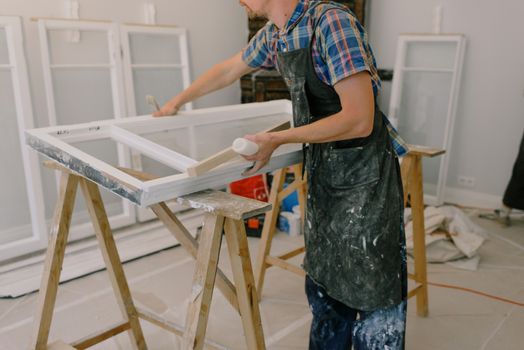
Restoring sliding sash windows is a careful balance between repair and conservation. The process involves several key steps and should always be tailored to the window’s specific age, design, and level of deterioration.
Here’s an overview of the most effective restoration techniques:
1. $1 Rather than wholesale replacement, skilled restorers use splicing and resin repairs to treat decayed sections. Modern epoxy resins can bond new timber to old, ensuring repairs are strong yet discreet. This preserves the majority of the original wood and keeps historical joinery details intact. 2. $1 Where possible, original cylinder or crown glass should be retained, as its subtle ripples and imperfections are irreplaceable. If damaged, seek out reclaimed or hand-blown glass for repairs; this maintains the window’s period authenticity. 3. $1 Sash weights and cords are often neglected, leading to operational issues. Using traditional waxed cotton sash cords and recalibrating the counterweights restores smooth movement without altering the original mechanism. 4. $1 Modern draught-proofing strips can be installed into existing sashes without affecting their appearance. This improves energy efficiency while keeping the visual impact negligible—a crucial point for listed properties. 5. $1 Linseed oil-based paints and putties not only offer a period-correct finish but also allow the wood to breathe, preventing future rot. Avoid modern plastic-based coatings, which can trap moisture and accelerate deterioration.Choosing Materials: Old Versus New
Material selection is at the heart of successful sash window restoration. Here’s a comparison of traditional and modern options commonly encountered:
| Material | Traditional Option | Modern Alternative | Impact on Historic Appearance | Durability |
|---|---|---|---|---|
| Timber | Slow-grown pine, oak, or mahogany | Engineered softwood, hardwoods, or uPVC | Traditional timber preserves original look; uPVC alters appearance | Old-growth timber can last 100+ years; engineered wood 30-50 years; uPVC 20-30 years |
| Glazing | Cylinder or crown glass | Modern float glass, slim double glazing | Original glass gives period distortion; modern glass is flatter | Historic glass is fragile but repairable; modern glass more robust |
| Sash Cords | Waxed cotton or hemp | Synthetic nylon | Traditional cords maintain authenticity | Both types durable; synthetics slightly longer lifespan |
| Paint | Linseed oil-based | Water-based or acrylic | Oil-based gives a softer, period finish | Oil-based lasts 8-10 years; water-based 5-7 years |
Wherever possible, restoration should prioritise traditional materials and methods, as these not only preserve the window’s historic integrity but also ensure compatibility with original construction.
Balancing Modern Performance with Historic Integrity
A common concern among homeowners is how to improve the energy efficiency and security of sash windows without compromising their historic look. Thanks to advances in restoration techniques, it is possible to enhance performance while retaining period charm.
- $1 can reduce heat loss by up to 86%, according to the Energy Saving Trust. - $1 (removable, internal units) offers a reversible solution that boosts insulation and soundproofing without altering the external appearance. - $1 can be installed, such as locking fasteners and sash stops, which are in keeping with period styling.Conservation officers and planning authorities typically favour reversible, minimal-impact upgrades over irreversible alterations. Always check local guidelines before making any changes to listed or conservation area properties.
When to Restore Versus Replace Sash Windows
While restoration is almost always preferable for historic sash windows, there are circumstances where replacement may be unavoidable—for example, when over 60% of the timber is decayed or when previous unsympathetic repairs have compromised structural integrity.
However, it’s estimated that up to 80% of original sash windows can be successfully restored, even those in poor condition. Restoration is usually more cost-effective in the long term, as new timber windows can cost between £1,500 and £3,000 per window, whereas expert restoration typically ranges from £700 to £1,200 per window.
Replacement should only be considered as a last resort and should replicate the original design, materials, and profiles as closely as possible. For listed buildings, strict consent procedures are in place to ensure this.
Preserving the Soul of Your Home: Why Restoration Matters
Restoring sliding sash windows is more than a technical exercise—it is an act of stewardship, preserving the soul of a historic building for future generations. Original sash windows are tangible links to the past and contribute immeasurably to the sense of place and authenticity.
By using sensitive restoration methods, respecting traditional materials, and balancing performance with heritage, property owners can ensure that their sash windows continue to charm and function for another century or more. The result is not only a more beautiful and valuable home but also a living piece of architectural history.